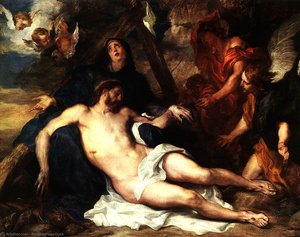
Oil On CanvasWallArtBaroque
 1630
1630 172.0 x 146.0 cm
 Museo de Arte de Ponce
Hand-painted oil on canvas in your size and frame, made to order by our artists. ( Buy Print Buy Image)





























Pick from our preset sizes that match the artwork's original proportions.

You may enter your own dimensions to fit a specific frame or space. If your selected size does not match the original image's proportions, we will either crop the artwork or extend the painting with additional hand-painted elements. A digital mockup will be sent for your approval before production begins.
Please note that the on-screen preview does not reflect the actual cropping or extension. Only the mockup will accurately show the final composition.
While custom sizes are available, we recommend selecting a dimension from the predefined list to preserve the original proportions.
Worldwide Delivery () in 3/4 weeks instead of standard 5 weeks. (12 August). No compromise on quality.


Saint Rosalie Interceding for the City of Palermo
Reproduction Size
Anthony van Dyck's "Saint Rosalie Interceding for the City of Palermo," painted in 1624, is more than just a portrait; it’s a poignant testament to faith, suffering, and miraculous intervention. Created during a harrowing period of plague that ravaged Sicily, this work transcends its subject matter to become a powerful symbol of hope amidst despair. Van Dyck, then serving as court painter to Viceroy Emanuele Filiberto of Savoy, found himself trapped in Palermo alongside the city’s populace, witnessing firsthand the devastation wrought by the epidemic. The urgency of the situation fueled his artistic response – a deeply personal and emotionally resonant depiction of Saint Rosalie, the city's patron saint.
The painting immediately draws the eye to its central figure: Saint Rosalie herself, presented as a young woman radiating serene dignity despite her solemn posture. She kneels beside what appears to be her own skeletal remains – a stark reminder of mortality and the saint’s earthly existence. Her hands are raised in supplication, directing a gaze towards Palermo nestled within the background landscape; a miniature cityscape hinting at the suffering below. The composition is carefully balanced, with the dark, almost somber tones of the cave contrasting sharply with the brighter light illuminating Rosalie and her relics. This visual dichotomy underscores the transition from earthly sorrow to divine intervention.
Van Dyck’s masterful use of symbolism elevates “Saint Rosalie” beyond a simple devotional image. The inclusion of the saint's bones is not morbid, but rather serves as a potent reminder of her sacrifice and unwavering devotion. It speaks to the miracle that followed – the sudden cessation of the plague after the discovery of her remains in a cave outside Palermo. The placement of these relics directly beneath Rosalie emphasizes her role as an intermediary between the earthly realm and the divine. Crucially, the light emanating from above, bathing Rosalie in a golden glow, symbolizes God’s grace and protection descending upon the afflicted city.
Further symbolic elements contribute to the painting's layered meaning. The crown of roses, a traditional attribute associated with Saint Rosalie, represents her purity and martyrdom. The white lily, another common symbol of virginity, reinforces this association. Even the skull at her feet – a frequent motif in depictions of saints – is not presented as frightening but rather as a quiet acknowledgment of human vulnerability and the promise of eternal life. The inclusion of angels delivering the crown further emphasizes divine intervention.
Painted during a period of intense personal and societal upheaval, “Saint Rosalie Interceding for Palermo” is a remarkable example of Van Dyck’s artistic evolution. While he had previously worked primarily on court portraits, this commission demanded a different approach – one that combined religious iconography with a heightened sense of realism and emotional depth. The painting showcases his growing mastery of oil paint, particularly in the rendering of textures—the rough stone of the cave, the folds of Rosalie’s robes, and the delicate detail of her face.
Interestingly, the work's origins are shrouded in a fascinating anecdote: Van Dyck reportedly repurposed an existing canvas upon which he had sketched a self-portrait. This resourceful use of materials adds another layer to the painting’s narrative – suggesting that even personal artistic endeavors can be transformed into expressions of profound faith and compassion. The painting’s journey through history, from its initial creation in Palermo to its eventual acquisition by the Metropolitan Museum of Art, is a testament to its enduring appeal and artistic significance.
“Saint Rosalie Interceding for the City of Palermo” remains a powerfully evocative work of art. It’s not merely a depiction of a saint; it's an invitation to contemplate themes of faith, suffering, hope, and the enduring power of human compassion. Its solemn beauty and intricate symbolism continue to resonate with viewers today, offering a glimpse into a pivotal moment in Sicilian history and a profound meditation on the mysteries of divine intervention. Reproductions of this masterpiece can bring a sense of serenity and contemplation to any space, serving as a constant reminder of resilience in the face of adversity.

1599 - 1641 , Belgium

Journey through Vincent van Gogh's 25 most iconic paintings! Explore 'Starry Night', 'Sunflowers,' and more—discover the stories, techniques & emotions behind these Post-Impressionist masterpieces. Find museum-quality art reproductions for your home at BuyPopArt.com.

Journey through Rembrandt van Rijn's 25 most iconic paintings & etchings. Explore Dutch Golden Age masterpieces, dramatic chiaroscuro, and timeless portraits. Find museum-quality art reproductions to elevate your home decor on BuyPopArt.com.

Explore the life & legacy of Sir Anthony van Dyck, the leading court painter of his era. Discover his innovative portraiture, Baroque masterpieces, and investment potential for discerning collectors. Learn more at BuyPopArt.

Journey into the world of Early Netherlandish painting! Explore 10 masterpieces by Jan van Eyck, Rogier van der Weyden & more. Discover stunning detail, symbolism & Renaissance art for your home decor. Find museum-quality reproductions on BuyPopArt.com

Explore the grandeur of Baroque portraiture! Discover Rubens, Van Dyck & the masters of 17th-century art. Uncover symbolism, techniques & lasting influence. Expert insights for collectors and enthusiasts.


Stay updated with the latest art news, exclusive offers, and decoration ideas.
Tell us about your project and our art experts will provide you with 3 personalized art suggestions.
Let Us Curate 3 Options Just for You - Free!


 Preview
 Send
Send Share
Share
 Details

 Download
 Similars
 X-Ray
X-Ray Diaporama
 Read More







 Glass option is only available in size under 110 CM