


Hand-painted oil on canvas in your size and frame, made to order by our artists.
Pick from our preset sizes that match the artwork's original proportions.

You may enter your own dimensions to fit a specific frame or space. If your selected size does not match the original image's proportions, we will either crop the artwork or extend the painting with additional hand-painted elements. A digital mockup will be sent for your approval before production begins.
Please note that the on-screen preview does not reflect the actual cropping or extension. Only the mockup will accurately show the final composition.
While custom sizes are available, we recommend selecting a dimension from the predefined list to preserve the original proportions.
Worldwide Delivery () in 3/4 weeks instead of standard 5 weeks. (26 July). No compromise on quality.


Untitled (AQR9UJ)
Reproduction Size
In the grand tapestry of nineteenth-century European art, few threads are as intricately woven as those of Évariste Carpentier. Born in the quiet Belgian town of Korne-le-Sain in 1845, Carpentier’s life and career served as a bridge between two vastly different worlds: the rigid, disciplined structures of Academicism and the luminous, spontaneous freedom of Impressionism. His journey was not merely one of changing styles, but a profound metamorphosis of vision, moving from the meticulous observation of tradition toward an emotive capture of light and atmosphere.
Carpentier’s early years were defined by the rigorous training he received at the École Supérieure des Beaux-Arts in Brussels. During this formative period, his brushwork was characterized by a devotion to technical precision and the classical standards of the Academy. He mastered the art of the genre scene, producing works that were highly detailed and narrative-driven. These early canvases often focused on the quiet, domestic realities of Belgian life, rendered with a level of accuracy that commanded respect but remained tethered to the formal constraints of his education.
The trajectory of Carpentier’s artistry underwent a seismic shift in 1884, a moment precipitated by his encounter with the pioneering works of Jules Bastien-lepage. This meeting acted as a catalyst, dissolving the boundaries of his academic training and introducing him to the allure of plein air painting. Inspired by Bastien-lepage’s ability to infuse naturalism with a sense of atmospheric vitality, Carpentier began to look beyond the studio walls, seeking the fleeting, ephemeral qualities of the natural world.
This newfound passion led him on an exploratory journey through France, where he immersed himself in the landscapes surrounding Saint-Pierre-lès-Nemours and the legendary Fontainebleau forest. It was here, amidst the dappled sunlight and shifting shadows, that his style truly blossomed into what is often described as Luminism. Alongside contemporaries such as Franz Courtens and Joseph Coosemans, Carpentier began to document the subtle nuances of light, treating the atmosphere itself as a tangible subject. His travels to coastal regions like Le Tréport and Saint-Malo further expanded his palette, allowing him to experiment with the reflective brilliance of maritime light and the soft, misty textures of the seaside.
The significance of Évariste Carpentier lies in his ability to harmonize the structural integrity of his academic roots with the sensory delights of the Impressionist movement. He did not abandon the narrative depth of his early genre scenes; instead, he infused them with a new, breathing vitality. His works often capture a sense of quiet drama—moments caught in time where the weight of human experience meets the lightness of natural illumination.
Today, Carpentier is remembered as a pivotal figure in the Belgian avant-garde, a painter who successfully navigated the transition from the old world to the new. His contributions to the development of Naturalism and Luminism remain a testament to his courage as an artist—a man willing to abandon the safety of established tradition to chase the ever-changing light of the horizon.

1845 - 1922 , Belgium
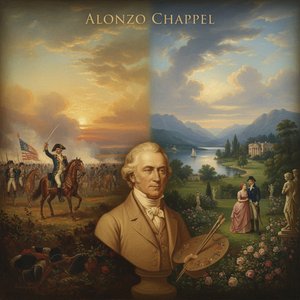
Explore the captivating world of Alonzo Chappel, a master of 19th-century American historical painting. Discover his iconic works, Romantic style & lasting legacy. Learn about collecting Chappel's art today!

Transform your cherished travel photos into timeless oil paintings with expert artists at BuyPopArt.com. Museum-quality reproductions & custom portraits – preserve your memories beautifully.

Explore the rich history of rural landscape painting with BuyPopArt. Discover Impressionist masterpieces, key artists & movements. Find your perfect serene artwork and bring nature's beauty home.

Explore the rich history of pastoral landscape art, from classical Arcadia to Impressionism & beyond. Discover key artists, movements, and how to collect serene rural scenes for your home. Expert insights at BuyPopArt.

Explore the short but impactful career of Richard Parkes Bonington, a pivotal figure bridging British Romanticism & French plein air painting. Discover his luminous landscapes and lasting influence on Delacroix & beyond.


Stay updated with the latest art news, exclusive offers, and decoration ideas.
Tell us about your project and our art experts will provide you with 3 personalized art suggestions.
Let Us Curate 3 Options Just for You - Free!


 Preview
 Buy print
 Send
Send Share
Share
 Details

 Download
 Similars
 X-Ray
X-Ray Diaporama
 Read More
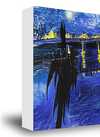
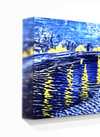
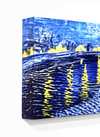

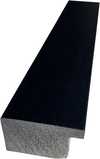
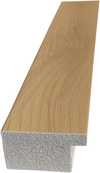
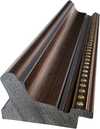
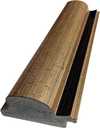

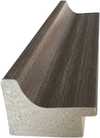
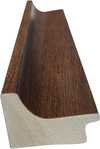
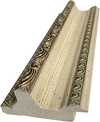
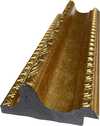
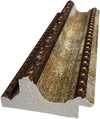
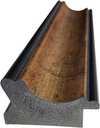
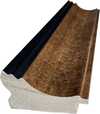
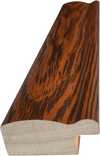
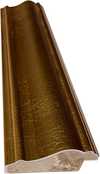
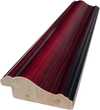
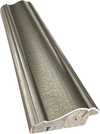
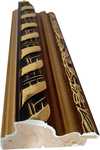
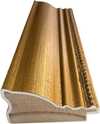
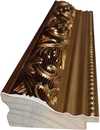
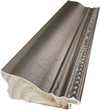
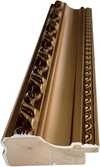
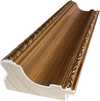
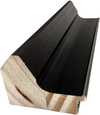
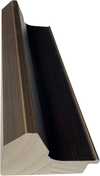
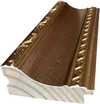
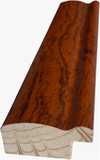
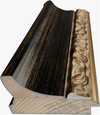
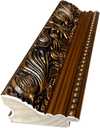
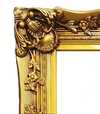
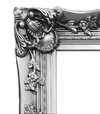
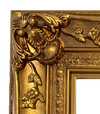
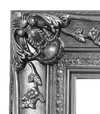
 Glass option is only available in size under 110 CM


