Ръчно рисувана маслена картина върху платно във вашия размер и рамка, изработена по поръчка от нашите художници. ( Превключване към печат Превключване към изображение)





























Изберете от предварително зададените размери, които съответстват на оригиналните пропорции на произведението.

Можете да въведете свои собствени размери, за да пасне на конкретна рамка или пространство. Ако избраният от вас размер не съответства на пропорциите на оригиналното изображение, ние ще изрежем произведението или ще удължим картината с допълнителни ръчно рисувани елементи. Дигитален макет ще бъде изпратен за ваше одобрение преди започване на производството.
Моля, обърнете внимание, че прегледът на екрана не отразява действителното изрязване или разширяване. Само макетът ще покаже точно финалния състав.
Въпреки че са налични персонализирани размери, препоръчваме да изберете размер от предварително дефинирания списък, за да запазите оригиналните пропорции.
Доставка по целия свят () в рамките на 3/4 седмици вместо стандартните 5 седмици. (5 Август). Без компромис с качеството.


"Still life with three skulls" -> "Композия с три черепа"
Размер на репродукцията
Paul Cézanne's “Still Life with Three Skulls,” painted around 1903, isn’t merely a depiction of bone; it’s a profound and unsettling meditation on mortality, the relentless passage of time, and the very essence of human existence. This haunting work, now residing within the esteemed Art Institute of Chicago, marks a pivotal moment in Cézanne's artistic evolution – a bridge between the vibrant hues of Impressionism and the nascent geometric explorations that would ultimately define Cubism. From the first glance, the painting confronts us with its stark simplicity: three skulls, arranged in a deliberate, almost architectural pyramid formation, rest upon a draped couch beneath a muted, subtly somber sky. Yet, within this apparent stillness lies a complex web of symbolism and artistic innovation, inviting prolonged contemplation and revealing layers of meaning.
Cézanne’s choice to represent skulls as the subject matter is deeply rooted in the late 19th century's fascination with death and decay – a recurring theme within still life painting since the Middle Ages. However, he transcends mere representation; he imbues these objects with an almost sculptural quality, elevating them beyond their morbid association. The artist’s masterful use of watercolour, a medium often associated with delicacy and fleeting beauty, here creates a startling contrast against the macabre subject matter. The translucent washes and loose brushstrokes lend a sense of fragility to the skulls, as if they might dissolve into nothingness at any moment – a poignant reminder of our own ephemeral existence. This deliberate juxtaposition of materials – the smooth, cool surface of the paper versus the rough texture of bone – heightens the painting’s emotional impact, creating a visceral experience for the viewer.
Cézanne's revolutionary approach to composition is immediately apparent. He abandons traditional perspective, flattening space and prioritizing the underlying structure of objects. The skulls are not depicted as realistically as one might expect; instead, they are rendered as simplified geometric forms – pyramids, planes, and cylinders – echoing Cézanne’s earlier studies of Mont Sainte-Victoire. This technique, a cornerstone of his artistic vision, anticipates the Cubist movement that would emerge decades later, demonstrating a shift towards abstraction and a focus on fundamental shapes. The strategic placement of the two chairs in the background further reinforces this sense of spatial ambiguity, drawing the viewer’s eye into the heart of the composition and emphasizing the skulls' central role as anchors within the scene.
Furthermore, Cézanne’s use of color is equally innovative. He eschews the bright, saturated hues of Impressionism in favor of a muted palette dominated by browns, grays, and pale yellows – colors associated with age, decay, and introspection. This restrained approach to color creates a somber mood that perfectly complements the subject matter, evoking a sense of melancholy and contemplation. The subtle gradations of tone and hue contribute to the painting’s overall atmosphere of quiet solemnity, inviting viewers to reflect on the themes of mortality and transience.
Beyond its formal innovations, “Still Life with Three Skulls” carries a potent symbolic weight. The skull, traditionally associated with death and remembrance, serves as a stark reminder of our own mortality – a fundamental aspect of the human condition. Cézanne’s deliberate arrangement in a pyramid – a shape often linked to stability and eternity – suggests an attempt to grapple with the paradox of life and death. The painting can be interpreted as a meditation on the cyclical nature of existence, where decay and renewal are inextricably intertwined. It's not simply a depiction of death, but rather an exploration of how we confront it, and what meaning we find within its inevitability.
Interestingly, Cézanne’s preoccupation with skulls aligns closely with his personal reflections on mortality, documented in his letters during his final years. He frequently expressed a deep sense of unease about the passage of time and the fragility of life. This intimate connection between the artist's own experiences and his artistic output is evident throughout his oeuvre, particularly in works like “Still Life with Three Skulls,” where the subject matter serves as both a personal meditation and a universal symbol of human vulnerability.
Cézanne’s innovative approach to form, color, and composition profoundly influenced generations of artists, paving the way for modern art movements such as Cubism. His work demonstrated that art could be more than a mere representation of reality; it could be a vehicle for exploring complex ideas and emotions. “Still Life with Three Skulls” stands as a testament to his artistic genius – a hauntingly beautiful meditation on the human condition, inviting viewers to contemplate their own place within the vastness of time and the inevitability of death. For those seeking a high-quality reproduction of this iconic masterpiece, BuyPopArt offers meticulously crafted hand-painted reproductions that capture the essence of Cézanne’s vision. Explore our collection at BuyPopArt to bring this timeless work into your home or studio.
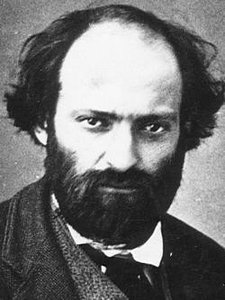
1839 - 1906 , Франция
Открийте 25 шедьовъра на Пол Сезан – импресионизъм, постимпресионизъм и революционен стил! Разгледайте историите зад картините, техниките и вдъхновението. Купете висококачествени репродукции за вашия дом на BuyPopArt.com.

Разгледайте топ 10 шедьоври на акварела от Turner, Monet и Sargent! Открийте историите зад тези емблематични картини, техниките им и как промениха изкуството. Купете висококачествени репродукции за вашия дом в BuyPopArt.com.
Explore the rich history of still life painting with BuyPopArt. Discover Dutch Masters, decode vanitas symbolism & learn about collecting timeless art. Expert insights and museum-quality reproductions.

Explore the profound emotional depth & innovative techniques of Post-Impressionism with BuyPopArt. Discover Cézanne, Van Gogh, Gauguin & more – and their lasting impact on modern art.

Explore the captivating world of watercolor painting! Discover its rich history, essential techniques, influential artists & collecting tips. A comprehensive guide for art enthusiasts from BuyPopArt.


Бъдете информирани за последните новини в света на изкуството, ексклузивни оферти и идеи за декорация.
Разкажете ни за вашия проект и нашите експерти по изкуство ще ви предложат 3 персонализирани предложения за произведения на изкуството.
Нека подберем 3 варианта само за вас – безплатно!


 Представи си го
 Изпрати
 Сподели
 Детайли

 Изтегляне
 Подобни
 Рентгенова снимка
 Слайдшоу

 Прочетете повече







 Стъклото е налично само в размери под 110 см