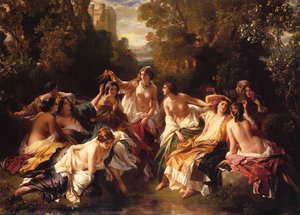
Ručně malovaná olejná barva na plátně ve vašem zvoleném rozměru i s rámem, vyrobená našimi umělci na zakázku. ( Koupit tisk Koupit obrázek)





























Vyberte si z našich přednastavených velikostí, které odpovídají původním proporcím díla.

Můžete zadat vlastní rozměry pro konkrétní rám nebo prostor. Pokud se vámi vybraná velikost neshoduje s proporcemi původního obrazu, dílo buď ořízneme, nebo jej doplníme ručně malovanými prvky. Před zahájením výroby vám bude zaslán digitální náhled ke schválení.
Upozorňujeme, že náhled na obrazovce neodpovídá skutečnému ořezu ani rozšíření. Pouze digitální náhled přesně zobrazí finální kompozici.
Ačkoliv je možné zvolit vlastní velikost, pro zachování původních proporcí doporučujeme vybrat rozměr z předdefinovaného seznamu.
Celosvětová doprava () za 3–4 týdny namísto standardních 5 týdnů. (18 srpen). Bez kompromisů v kvalitě.


PORTRAIT DU ROI LOUIS PHILIPPE
Rozměry reprodukce
Franz Xaver Winterhalter’s “Portrait du Roi Louis Philippe” is more than just a royal depiction; it's a meticulously crafted tableau of 19th-century power, elegance, and the subtle anxieties of a changing era. Painted in 1838, this black and white masterpiece offers a captivating glimpse into the court of King Louis-Philippe, capturing not only his likeness but also the carefully constructed image he sought to project – an image of stability and enlightened monarchy amidst the turbulence following the July Monarchy’s establishment.
Winterhalter, already establishing himself as Europe's foremost royal portraitist, demonstrates a masterful command of light, line, and composition. The photograph, a faithful reproduction of the original oil on canvas, reveals an artist deeply attuned to his subject’s presence. The king stands with a deliberate poise, angled slightly towards the viewer – a gesture that invites engagement while simultaneously reinforcing his authority. Notice how Winterhalter utilizes strong vertical lines in the king's posture and architectural backdrop, creating a sense of formality and structure, mirroring the rigid social conventions of the time. The subtle curves within the drapery and decorative elements add a touch of visual interest without disrupting the overall sense of order.
This portrait is a quintessential example of 19th-century royal portraiture, heavily influenced by Neoclassical ideals but infused with the burgeoning Romantic sensibility. The monochromatic palette – shades of gray skillfully employed to define form and texture – contributes significantly to the painting’s solemnity and timeless quality. The diffused lighting, seemingly emanating from an unseen window, avoids harsh contrasts, lending a soft, almost ethereal glow to the scene. This technique was particularly favored by Winterhalter, allowing him to sculpt the king's features with remarkable precision while maintaining a sense of atmosphere.
Beyond the technical mastery, the portrait is laden with symbolic meaning. The King’s attire – the elaborate uniform, the prominent medals, and the flowing sash – are all deliberate indicators of his power and status as head of state. The inclusion of the statue and architectural details in the background serves to elevate Louis-Philippe's position within a grand historical narrative, connecting him to the legacy of French monarchy while simultaneously suggesting a forward-looking vision for the nation.
Franz Xaver Winterhalter’s rise to prominence is a fascinating story of ambition and artistic skill. Born in a small German village, he honed his talents under various mentors before securing patronage from influential figures like Baron von Eichtal and eventually finding favor with the French court. His ability to capture the essence of royalty – their dignity, confidence, and carefully cultivated public image – made him one of the most sought-after portraitists in Europe. As documented in numerous biographies, Winterhalter was a master of flattery, skillfully presenting his subjects in the most advantageous light while maintaining a remarkable level of realism.
The portrait’s creation coincided with a period of significant social and political change in France. The July Monarchy, established after the Bourbon Restoration, represented a shift towards constitutionalism and modernization. Louis-Philippe, as its first king, sought to project an image of stability and progress – qualities that Winterhalter expertly conveyed through his art. The inclusion of contemporary elements, such as the papers at the King’s left, subtly hints at the intellectual pursuits and administrative responsibilities associated with leadership.
BuyPopArt offers meticulously crafted hand-painted reproductions of this iconic portrait, allowing you to experience the artistry and historical significance of Winterhalter's masterpiece in your own home or office. Each reproduction is created by skilled artists using traditional techniques, ensuring a faithful representation of the original’s details and atmosphere. Whether you are an art enthusiast, a collector, or simply seeking a stunning piece of decorative art, this portrait offers a timeless tribute to a pivotal figure in French history – and a testament to the enduring power of portraiture.

1805 - 1873 , Německo

Explore the life & art of Franz Xaver Winterhalter, the celebrated court painter of the 19th century. Discover his exquisite portraits of royalty and aristocracy – a symbol of prestige and refined taste.

Prozkoumejte 10 ikonických děl 19. století – od romantismu po impresionismus! Obrazy Courbeta, Moneta a dalších mistrů s příběhy a technikami. Najděte inspiraci pro váš interiér a kvalitní reprodukce na BuyPopArt.com.

Explore the captivating world of Anne-Louis Girodet, a pivotal figure bridging Neoclassicism & Romanticism. Discover his masterpieces and unique artistic vision with BuyPopArt.

Explore the life & art of Émile Jean Horace Vernet, a master of Romantic Realism. Discover his captivating battle scenes, portraits, and Orientalist works – a window into 19th-century France. Learn about his techniques & enduring legacy.

Explore the life & art of Charles Le Brun, master of French Baroque Classicism. Discover his royal commissions, influence on Versailles, and enduring legacy through detailed analysis & stunning artworks.


Buďte na tahu s nejnovějšími novinkami ze světa umění, exkluzivními nabídkami a inspirativními nápady na dekoraci.
Sdělte nám více o svém projektu a naši odborníci na umění vám připraví 3 personalizované návrhy uměleckých děl.
Nechť pro vás vybereme 3 možnosti – zdarma!


 Náhled
 Sdílet
 Sdílet
 Podrobnosti o díle

 Stáhnout
 Podobné položky
 Rentgenové snímky
 Slideshow

 Zobrazit více







 Skleněná varianta je dostupná pouze u rozměrů menších než 110 cm