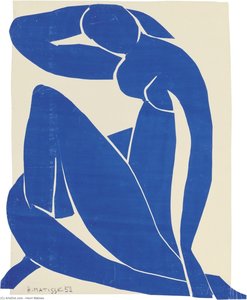
Akryl na plátněObrazová tvorba na stěnuFauvism
 1904Renesance
 32.0 x 40.0 cm
Ručně malovaná olejná barva na plátně ve vašem zvoleném rozměru i s rámem, vyrobená našimi umělci na zakázku. ( Koupit tisk Koupit obrázek)





























Vyberte si z našich přednastavených velikostí, které odpovídají původním proporcím díla.

Můžete zadat vlastní rozměry pro konkrétní rám nebo prostor. Pokud se vámi vybraná velikost neshoduje s proporcemi původního obrazu, dílo buď ořízneme, nebo jej doplníme ručně malovanými prvky. Před zahájením výroby vám bude zaslán digitální náhled ke schválení.
Upozorňujeme, že náhled na obrazovce neodpovídá skutečnému ořezu ani rozšíření. Pouze digitální náhled přesně zobrazí finální kompozici.
Ačkoliv je možné zvolit vlastní velikost, pro zachování původních proporcí doporučujeme vybrat rozměr z předdefinovaného seznamu.
Celosvětová doprava () za 3–4 týdny namísto standardních 5 týdnů. (12 srpen). Bez kompromisů v kvalitě.


Landscape
Rozměry reprodukce
Henri Matisse (1869–1954) stands as one of the titans of 20th-century art, a painter whose unwavering devotion to color revolutionized artistic expression. His masterpiece, “Landscape,” painted in 1904, embodies the very essence of Fauvist aesthetics—a bold departure from Impressionism that prioritized emotional impact over meticulous realism.
The Fauvist Revolution
Matisse’s foray into Fauvism coincided with a burgeoning artistic movement challenging established conventions. Artists like André Derain and Maurice Denis sought to liberate color from its descriptive role, advocating for it as an independent element of visual art. Matisse wholeheartedly embraced this ethos, rejecting the muted tones favored by Impressionists in favor of vibrant hues—crimson reds, sapphire blues, lemon yellows—that pulsed with energy and conveyed feelings rather than merely representing appearances.
Composition and Technique
“Landscape” showcases Matisse’s masterful command of draughtsmanship combined with an audacious chromatic palette. The painting depicts a serene rural scene featuring a modest house nestled amongst trees, bathed in dappled sunlight. Matisse employs loose brushstrokes—characteristic of Fauvist style—to capture the textures of foliage and the subtle gradations of light and shadow. These strokes are applied with confidence and spontaneity, creating a dynamic surface that vibrates with color.
Symbolism and Emotional Resonance
Beyond its visual beauty, “Landscape” resonates deeply with symbolic meaning. The house represents domesticity and stability amidst the expansive wilderness—a harmonious blend of human presence and natural grandeur. Matisse’s deliberate use of color contributes to this emotional tapestry, evoking feelings of warmth, tranquility, and optimism. The painting's palette is not merely decorative; it communicates a profound appreciation for the beauty of the natural world and its ability to inspire contemplation.
Influence and Legacy
“Landscape” profoundly impacted subsequent generations of artists, establishing Matisse as a pivotal figure in modern art. Its bold chromatic choices paved the way for Expressionist painters like Edvard Munch and Wassily Kandinsky, who similarly prioritized emotional expression over objective representation. Matisse’s unwavering belief in color—a conviction that persisted throughout his prolific career—continues to inspire artists today.
Featured Museums
A stunning reproduction of “Landscape” can be admired at the Musée National d'Art Moderne (MNAM) in Paris, France. This museum houses an extensive collection of Fauvist paintings and offers visitors a chance to immerse themselves in Matisse’s groundbreaking artistic vision.
Size
32 x 40 cm
Date
1904
Artist Information
Henri Matisse (1869–1954)
Born in Le Cateau-Cambrésis, France.
He grew up in Bohain-en-Vermandois, Picardie, the son of grain merchants.
Initially studied law in Paris after secondary school but discovered his passion for art following an appendicitis attack in 1889.
He began experimenting with art supplies provided by his mother during his recovery, marking a turning point in his life.
Additional Research
Photo Description
The painting is a colorful landscape featuring a house with a red roof, surrounded by trees. The scene also includes a fireplace in the middle of the house, adding to its cozy atmosphere. There are several people scattered throughout the image, possibly enjoying the outdoors or attending to their daily activities.
The painting is quite detailed and captures various elements of nature, such as grass, trees, and buildings. The colors used in the painting are vibrant and lively, creating a sense of warmth and energy. Overall, it's an impressive piece that showcases the artist’s skill and creativity.
Size
32 x 40 cm
Date
1904
Artist Information
Henri Matisse
Born in Le Cateau-Cambrésis, France.
He grew up in Bohain-en-Vermandois, Picardie, the son of grain merchants.
Initially studied law in Paris after secondary school but discovered his passion for art following an appendicitis attack in 1889.
He began experimenting with art supplies provided by his mother during his recovery, marking a turning point in his life.
Additional Research
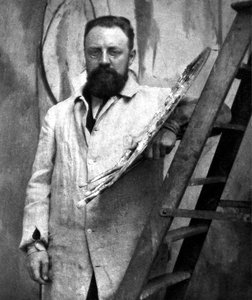
1869 - 1954 , Francie

Explore the vibrant world of Fauvism with our expert guide. Discover how masters like Henri Matisse revolutionized art through bold colors and expressive strokes, defining a movement that continues to inspire collectors and art enthusiasts worldwide.


Buďte na tahu s nejnovějšími novinkami ze světa umění, exkluzivními nabídkami a inspirativními nápady na dekoraci.
Sdělte nám více o svém projektu a naši odborníci na umění vám připraví 3 personalizované návrhy uměleckých děl.
Nechť pro vás vybereme 3 možnosti – zdarma!


 Náhled
 Sdílet
 Sdílet
 Podrobnosti o díle

 Stáhnout
 Podobné položky
 Rentgenové snímky
 Slideshow
 Zobrazit více







 Skleněná varianta je dostupná pouze u rozměrů menších než 110 cm