Akryl na plátněObrazová tvorba na stěnuHigh Renaissance
 1503Renesance
 260.0 x 170.0 cm
 Ashmolean Museum
Ručně malovaná olejná barva na plátně ve vašem zvoleném rozměru i s rámem, vyrobená našimi umělci na zakázku. ( Koupit tisk Koupit obrázek)





























Vyberte si z našich přednastavených velikostí, které odpovídají původním proporcím díla.

Můžete zadat vlastní rozměry pro konkrétní rám nebo prostor. Pokud se vámi vybraná velikost neshoduje s proporcemi původního obrazu, dílo buď ořízneme, nebo jej doplníme ručně malovanými prvky. Před zahájením výroby vám bude zaslán digitální náhled ke schválení.
Upozorňujeme, že náhled na obrazovce neodpovídá skutečnému ořezu ani rozšíření. Pouze digitální náhled přesně zobrazí finální kompozici.
Ačkoliv je možné zvolit vlastní velikost, pro zachování původních proporcí doporučujeme vybrat rozměr z předdefinovaného seznamu.
Celosvětová doprava () za 3–4 týdny namísto standardních 5 týdnů. (14 srpen). Bez kompromisů v kvalitě.


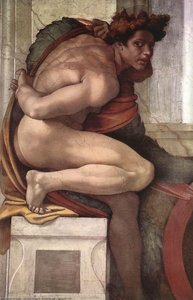
Nude Rider Mounting a Horse and a Male Nude (verso)
Rozměry reprodukce
Michelangelo Buonarroti’s “Nude Rider Mounting a Horse and a Male Nude (verso)” is not merely a depiction of a scene; it's an embodiment of the Renaissance spirit—a potent distillation of classical ideals, anatomical precision, and raw human emotion. Created in 1503, this chalk drawing, now housed within the Ashmolean Museum in Oxford, offers a glimpse into Michelangelo’s early artistic explorations, revealing a sculptor grappling with monumental forms and the complexities of portraying both strength and vulnerability. The “verso,” or reverse side, is particularly fascinating, providing insight into his working process – a testament to the artist's iterative approach, where sketches often served as studies for larger, more polished works.
The composition itself is strikingly dynamic. A muscular male figure dominates the scene, poised atop a rearing horse—a powerful symbol of virility and conquest. The rider’s body, rendered with remarkable anatomical accuracy, conveys both physical exertion and an underlying tension. Crucially, this isn't a heroic depiction of battle or triumph; rather, it’s a study in movement, balance, and the sheer physicality of the human form interacting with nature. The accompanying nude male figure on the right side adds another layer of complexity, suggesting a connection to the primal forces of life and death—a subtle echo of classical mythology.
Michelangelo’s early work was profoundly shaped by his immersion in the ruins of ancient Rome. The rediscovery of classical sculpture during the Renaissance sparked an intense desire to revive its ideals – a focus on idealized beauty, anatomical perfection, and the celebration of human potential. This drawing clearly demonstrates this influence. The pose of the rider, reminiscent of Roman equestrian statues, is a direct reference to the artistic traditions of antiquity. The careful attention to musculature, the contrapposto stance (where weight is shifted to one leg), and the overall sense of dynamism are all hallmarks of classical sculpture.
However, Michelangelo doesn’t simply replicate classical forms; he imbues them with his own unique vision. The drawing possesses a palpable energy—a feeling of impending action that transcends mere imitation. The lines are bold and expressive, capturing the texture of skin, muscle, and horsehair with remarkable skill. This isn't a static representation but a moment frozen in time, brimming with life and movement.
Beyond its technical brilliance, “Nude Rider” is rich in symbolic meaning. The horse itself represents power, nobility, and even divine authority—a potent image frequently employed in classical art to depict rulers and heroes. The nude figure on the right side has been interpreted as representing death or decay, a stark contrast to the vitality of the rider. Some scholars suggest it could also symbolize the duality of human existence – the struggle between earthly desires and spiritual aspirations.
Furthermore, the drawing’s “verso” aspect is significant. It reveals Michelangelo's process—the initial sketches and studies that informed his later masterpieces. It offers a rare opportunity to witness the evolution of an idea, from its embryonic stages to its final form. This transparency underscores the artist’s dedication to his craft and his relentless pursuit of perfection.
Today, reproductions of “Nude Rider Mounting a Horse and a Male Nude (verso)” are widely available, allowing art lovers around the world to appreciate Michelangelo's genius. When selecting a reproduction, consider the quality of the print—a high-resolution image that faithfully captures the drawing’s intricate details is essential. This artwork remains a powerful testament to the enduring legacy of one of history’s greatest artists – a timeless exploration of human form, power, and the mysteries of existence.
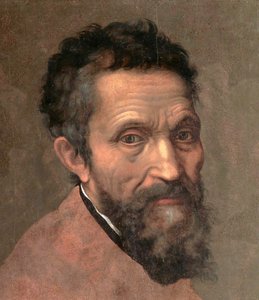
1475 - 1564 , Itálie
Objevte 25 ikonických děl Michelangela Buonarrotiho – od Davida po Pietu. Ponořte se do světa renesance, mistrovských technik a nadčasové krásy. Umělecké reprodukce nejvyšší kvality pro váš interiér na BuyPopArt.com
Objevte 10 legendárních bronzových soch od Michelangela, Rodina a dalších mistrů! Ponořte se do historie umění, technik a příběhů za těmito nadčasovými díly. Najděte inspiraci pro váš interiér s BuyPopArt.com – repliky nejvyšší kvality.

Objevte sílu fresek pro uchování rodinné historie! Kvalitní reprodukce a zakázková malba od . Inspirujte se historií umění a vytvořte jedinečný obraz vašeho původu.

Objevte 10 legendárních bronzových mistrovských děl od Rodina, Donatella a dalších. Ponořte se do historie umění a nechte se inspirovat nadčasovými sochařskými replikami pro váš interiér. Prozkoumejte celou kolekci online na BuyPopArt.com!

Explore the rich history & enduring artistry of fresco painting – from Giotto to Michelangelo! Discover techniques, conservation efforts, & modern applications. Learn how BuyPopArt brings this timeless art form to your home.


Buďte na tahu s nejnovějšími novinkami ze světa umění, exkluzivními nabídkami a inspirativními nápady na dekoraci.
Sdělte nám více o svém projektu a naši odborníci na umění vám připraví 3 personalizované návrhy uměleckých děl.
Nechť pro vás vybereme 3 možnosti – zdarma!


 Náhled
 Sdílet
 Sdílet
 Podrobnosti o díle

 Stáhnout
 Podobné položky
 Rentgenové snímky
 Slideshow
 Zobrazit více







 Skleněná varianta je dostupná pouze u rozměrů menších než 110 cm