NáhledNáhled Náhled v ARNáhled v AR Přepnout na tisk Přepnout na tiskPřepnout na obrázek Přepnout na obrázek SdíletSdílet
Podrobnosti o dílePodrobnosti o díle Přidat do oblíbených Přidat do oblíbených StáhnoutStáhnout Podobné položkyPodobné položky Rentgenové snímkyRentgenové snímky SlideshowSlideshow

Trivulzio Madonna – Významná dílo Renesance zobrazující Marii Terezu s dítětem Ježíšem, bohaté detaily a symboliku. Najdete ji v Galerii Castello Sforzesko v Miláně.

Trivulzio Madonna – Významná dílo Renesance od Andrea Mantegnyho zobrazující Marii Terezu s dítětem Ježíšem v impozantním perspektivním stylu a bohatých detailech. Objevte tuto ikonickou výtvarnou hodnotu v Galerii Castello Sforzesko Miláně.

Pozorujte ikonickou fresku Andrea Mantegna – „Triumfy Dobrosti“ – mistrovské dílo renesanční architektury a výtvarného umění v Museo del Louvre! Objevte krásu klasické estetiky.

Ručně malovaná olejová reprodukce

Ručně malovaná olejná barva na plátně ve vašem zvoleném rozměru i s rámem, vyrobená našimi umělci na zakázku. (Přepnout na tisk Přepnout na tiskPřepnout na obrázek Přepnout na obrázek)

P118B $10
P118H $10
P118W $10
P438Z $10
P508JH $12
P508YH $12
P805H $10
P805Z $10
P919BZ $10
P919G $10
P919XJ $10
P959ZH $10
P968JZ $12
W106C $8
W218G $10
W218JH $8
W218Y $10
W307PJ $10
W316G $10
W316PJ $8
W316Y $10
W398PJ $8
W4111J $10
W500HY $15
W500JH $15
W692G $12
W849H $8
W940BG $15
W953PJ $8

Standard
custom
CM
INCH

Vyberte si z našich přednastavených velikostí, které odpovídají původním proporcím díla.

šířka
výška

Můžete zadat vlastní rozměry pro konkrétní rám nebo prostor. Pokud se vámi vybraná velikost neshoduje s proporcemi původního obrazu, dílo buď ořízneme, nebo jej doplníme ručně malovanými prvky. Před zahájením výroby vám bude zaslán digitální náhled ke schválení.
Upozorňujeme, že náhled na obrazovce neodpovídá skutečnému ořezu ani rozšíření. Pouze digitální náhled přesně zobrazí finální kompozici.
Ačkoliv je možné zvolit vlastní velikost, pro zachování původních proporcí doporučujeme vybrat rozměr z předdefinovaného seznamu.

Příklady možných změn: Nahrazení obličeje vlastní fotografií; Přidání domácího mazlíčka (např. nahrazení kočky psem); Vložení skrytého vzkazu do pozadí; Změna krajiny nebo prvků v pozadí.
Po přijetí objednávky vám tým BuyPopArt.com zašle e-mail s pokyny a poskytne náhledovou verzi.

Celosvětová doprava () za 3–4 týdny namísto standardních 5 týdnů. (10 srpen). Bez kompromisů v kvalitě.

why_choose_icon
Zdarma celosvětová expresní doprava
why_choose_icon
Vysoce kvalitní lněné plátno
why_choose_icon
Kompletní přepravní pojištění
why_choose_icon
Záruka vrácení celního poplatku
why_choose_icon
Záruka přesného barevného shodu
why_choose_icon
60denní lhůta pro vrácení zboží (pouze při vadách výroby)
why_choose_icon
100% garance vrácení peněz
why_choose_icon
Sleva při hromadné objednávce

Celková cena

$ 663

reproduction

Trivulzio Madonna – Významná dílo Renesance zobrazující Marii Terezu s dítětem Ježíšem, bohaté detaily a symboliku. Najdete ji v Galerii Castello Sforzesko v Miláně.

Technika reprodukce

Rozměry reprodukce

-

Celková cena za výběr

$ 663

Základní informace

  • medium: oil on panel
  • movement: Renaissance
  • artist: Andrea Mantegna
  • notable elements: Pyramidal composition, detailed figures, symbolic trees representing the Garden of Eden
  • influences: Classical antiquity, Early Netherlandish painting
  • year: 1497
  • subject: Virgin Mary with baby Jesus, angels and saints

Kvíz o umění

U každé otázky je pouze jedna správná odpověď.

Otázka 1:
In what city is the Trivulzio Madonna currently housed?
Otázka 2:
Andrea Mantegna was particularly known for his mastery of which artistic technique?
Otázka 3:
What is a prominent symbolic element within the background of the Trivulzio Madonna?
Otázka 4:
The composition of the Trivulzio Madonna is best described as:
Otázka 5:
What medium did Andrea Mantegna employ when creating the Trivulzio Madonna?

Popis díla

Andrea Mantegna - Trivulzio Madonna

Andrea Mantegna (1431-1506) byl klíčovou postavou italštiny Renesance, známým pro svůj inovativní přístup k perspektivě a hluboké zapojení do klasické kultury a archeologie. Nebyl jen prostým přijímatelem estetických idejí doby; stal se aktivním účastníkem intelektuálního života svého času.

Pozdější život Mantegny byl poznamenán službou u několika významných vládců, včetně Gonzaga rodiny v Mantově. Jeho umělecká činnost byla ovlivněna především jeho působením pod vedením Francesca Squarcioneho, malíře a sběratele, jehož dílna fungovala méně jako tradiční studio než akademie věnovaná studiu římských ruin, soch a nápisů. Už v těchto prostorách obklopených fragmenty ztraceného království začal Mantegna vyvíjet svůj umělecký pohled – pohled charakterizovaný sochařskou technikou, dramatickou perspektivou a téměř posedlou pozorností k detailům.

Obraz Trivulzio Madonna, vytvořený v roce 1497, je skutečným triumfem humanistické estetiky. Tento fascinující dřevěný obraz nyní uložený v Pinacoteci Castello Sforzesca v Miláně není jen náboženským vyobrazením; je to prohlášení víry a uměleckého inovace. Představuje Marii Enthronovanou s Ježíškem, doprovázenou skupinou svatých – Jana Křtitele, Gregora Velikého, Benedikta a Jerémieho – spolu s zbožňujícími andílky. Tento komplexní obraz odkazuje na největší úspěchy klasické kultury a zároveň vyjadřuje nové estetické hodnoty.

Kompozice & Umělecký Styl

Kompozice je pozoruhodně složitá, ale harmonická. Mantegna využívá pyramidu, která stabilizuje scénu Marií a Ježíškem na vrcholu, čímž vede pohled diváka vzhůru k božskému centru. Osoby jsou hustě uspořádány v architekturu, která se prohlubuje perspektivou, rámována bohatými citrusovními stromy – což je symbolický odkaz na ráj a ztracený život.

Mantegnaho styl je charakterizován jeho sochařskou technikou; formy mají váhu a objem, dosaženo přesným modelováním a dramatickým světlem a stínem (*chiaroscuro*). Mistrovsky kombinuje severní evropskou realističnost s italštinou Renesance ideály krásy a proporcionnosti. Perspektiva obrazu není zcela tradiční pro dobu – působí trochu vyhlazeně, což přispívá k pocitu solemnity a velikosti.

Technika & Materiály

Výtvarný dílo Trivulzio Madonna bylo vytvořeno pomocí oleje na dřevěné desce – techniky, která umožnila Mantegně dosáhnout nevídaného stupně detailu, jasné barvy a jemných tonalit. Přesné zpracování tkanin – složité vrásky draperie – a výrazové prostředky dokazují jeho mimořádnou schopnost. Vrstvení glaz vytvářejí bohatou, téměř žvýkavou kvalitu, která prohlubuje vizuální dopad obrazu.

Symbolismus & Ikonaografie

Výtvarný dílo Trivulzio Madonna je nabité symbolikou. Citrusovníky reprezentují ráj a odkazují na hřích a vykoupení. Přítomnost konkrétních svatých – každý vybrána pro svou teologickou důležitost – posiluje základní sdělení obrazu – Božskou milosrdnost a duchovní autoritu.

Historický Kontext & Dědictví

Mantegna byl jedním z nejvýznamnějších umělců své doby, který ovlivnil další generace mistrů. Jeho inovativní techniky a dramatické kompozice položily základ pro vysokou Renesanční estetiku – estetiku, která bude následována velikány jako Rafael nebo Michelangelo.

Trivulzio Madonna je ikonickým dílem Renesance, které si zaslouží pozornost odborníků i milovníků umění. Jeho komplexní kompozice a bohatá symbolika vyjadřují nejvyšší hodnoty humanistické kultury a zároveň oslavují krásu klasické estetiky.
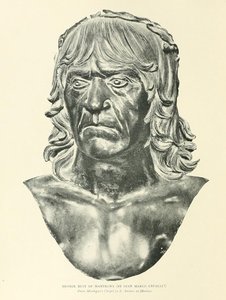

Biografie umělce

A Renaissance Forged in Antiquity: The Life and Art of Andrea Mantegna

Andrea Mantegna, born near Padua around 1431, stands as a pivotal figure bridging the Early and High Renaissances. His artistic journey wasn’t merely about adopting classical forms; it was an immersive excavation of antiquity, a passionate attempt to resurrect the spirit of Rome within the burgeoning Italian Renaissance. Unlike many contemporaries who drew inspiration from classical models, Mantegna possessed a unique fervor for archaeological accuracy. This obsession stemmed from his formative years under Francesco Squarcione, a painter and collector whose workshop functioned less as a traditional studio and more as an academy dedicated to the study of Roman ruins, sculptures, and inscriptions. It was within these walls, surrounded by fragments of a lost empire, that Mantegna’s artistic vision began to take shape—a vision characterized by sculptural forms, dramatic perspective, and an almost obsessive attention to detail. His early life remains somewhat shrouded in mystery; accounts suggest he was discovered as a promising apprentice, his innate talent recognized and nurtured by Squarcione despite humble origins. This unconventional beginning perhaps fueled Mantegna’s relentless pursuit of artistic mastery and his determination to forge a style distinctly his own.

The Gonzaga Court and the Illusion of Reality

Mantegna's career truly blossomed when he entered the service of the Gonzaga family in Mantua, becoming court painter in 1488. This patronage provided him with an unprecedented level of artistic freedom and a platform to realize his most ambitious projects. The Gonzaga’s were not simply patrons; they were collaborators, commissioning works that pushed the boundaries of artistic innovation. It was during this period that Mantegna created what is arguably his masterpiece: the *Camera degli Sposi* (Bridal Chamber) frescoes in the Palazzo Ducale. This groundbreaking work transcends mere decoration; it's a complete illusionistic environment, seamlessly integrating architecture and painting to create an extended sense of space. The frescoes depict scenes from the life of the Gonzaga family, portraits that are remarkably lifelike and engaging, and a breathtaking *di sotto in sù* (seen from below) ceiling panel that creates the illusion of an open sky. This masterful manipulation of perspective wasn’t simply about technical skill; it was about creating a world within a room, blurring the lines between reality and representation. The *Camera degli Sposi* is considered one of the most significant achievements in Renaissance art, demonstrating Mantegna's unparalleled ability to create convincing illusions and immerse the viewer in a meticulously crafted environment. Beyond the *Camera degli Sposi*, Mantegna continued to produce works of exceptional quality for the Gonzaga court, including the monumental series *Triumphs of Caesar*. These paintings, inspired by Roman triumphal processions, are not merely historical depictions; they are elaborate allegories celebrating the power and prestige of the Gonzaga family, presented with a grandeur that rivals the imperial ambitions of ancient Rome.

A Master of Perspective and Anatomical Precision

Mantegna’s artistic innovations extended far beyond illusionistic environments. He was a pioneer in the use of perspective, often employing techniques that went against conventional methods to achieve dramatic effects. Frequently, he adjusted the horizon line, creating a sense of monumentality and imposing scale. This technique, coupled with his meticulous attention to anatomical detail, gave his figures an unparalleled sense of weight and presence. He wasn’t content with simply representing the human form; he dissected it, studied its musculature, and rendered it with a precision that was revolutionary for his time. His mastery of *trompe-l'oeil* – creating illusions so convincing they deceive the eye – further enhanced this effect, blurring the boundaries between painting and reality. This dedication to anatomical accuracy wasn’t merely an exercise in technical skill; it reflected Mantegna’s deep engagement with classical sculpture and his desire to emulate the idealized forms of antiquity. He sought not just to depict the human body but to capture its inherent dignity and power. His influence on subsequent generations of artists, including Raphael and Michelangelo, is undeniable, as they built upon his foundations in perspective, anatomy, and composition.

Key Works and Artistic Development

Mantegna’s artistic development can be traced through a series of key works that reveal the evolution of his style and techniques. Early paintings like *Klanění pastýřů* (The Adoration of the Shepherds) demonstrate his fascination with classical antiquity, evident in the idealized figures and serene atmosphere. The *Mrtvý Kristus* (Dead Christ) showcases his innovative use of perspective and his ability to convey profound emotion through a seemingly simple composition. Later works, such as the *Triumphs of Caesar*, exemplify his mastery of monumental scale and dramatic storytelling. Throughout his career, Mantegna consistently pushed the boundaries of artistic convention, experimenting with new techniques and challenging established norms. His work is characterized by a remarkable balance between realism and idealism, reflecting his deep appreciation for both classical antiquity and Renaissance humanism.

Legacy and Enduring Influence

Andrea Mantegna died in Mantua in 1506, leaving behind a legacy that continues to resonate with art historians and enthusiasts alike. His work represents a crucial turning point in the history of Renaissance art, bridging the gap between the Early and High Renaissance styles. He wasn’t simply an imitator of classical forms; he was an interpreter, adapting ancient motifs and techniques to create something entirely new and uniquely his own. His meticulous attention to detail, his mastery of perspective, and his profound engagement with classical antiquity established him as a leading figure of his time. Mantegna’s exploration of classical themes helped revive interest in ancient art and culture, paving the way for the artistic achievements of the High Renaissance. His influence can be seen in the works of countless artists who followed, from Raphael's graceful compositions to Michelangelo's powerful figures. Today, his paintings are housed in major museums around the world, including The National Gallery in London and the Pinacoteca di Brera in Milan, where they continue to inspire awe and admiration.
  • His innovative use of perspective continues to be studied by artists and art historians.
  • His anatomical precision remains a benchmark for realistic representation.
  • His dedication to classical themes helped shape the course of Renaissance art.
Mantegna’s enduring legacy lies not only in his technical brilliance but also in his ability to imbue his works with a sense of intellectual depth and emotional power, making him one of the most important and influential artists of the Italian Renaissance.
Andrea Mantegna

Andrea Mantegna

1431 - 1506 , Itálie

Rychlé fakta

  • Artistic Movement Or Style: Renesance
  • Artists Or Movements Influenced By This Artist:
    • Rafaello
    • Michelangelo
  • Artists Who Influenced This Artist:
    • Donatello
    • Jacopo Bellini
  • Date Of Birth: 1431
  • Date Of Death: 1506
  • Full Name: Andrea Mantegna
  • Nationality: Italista
  • Notable Artworks:
    • Lamentace
    • Svatý George
    • *Camera degli Sposi*
    • Triumfy Caesara
  • Place Of Birth: Padova, Itálie
Prozkoumejte umělecká díla uspořádaná podle témat, stylů a charakteristik.



































