Ručně malovaná olejná barva na plátně ve vašem zvoleném rozměru i s rámem, vyrobená našimi umělci na zakázku. ( Přepnout na tisk Přepnout na obrázek)





























Vyberte si z našich přednastavených velikostí, které odpovídají původním proporcím díla.

Můžete zadat vlastní rozměry pro konkrétní rám nebo prostor. Pokud se vámi vybraná velikost neshoduje s proporcemi původního obrazu, dílo buď ořízneme, nebo jej doplníme ručně malovanými prvky. Před zahájením výroby vám bude zaslán digitální náhled ke schválení.
Upozorňujeme, že náhled na obrazovce neodpovídá skutečnému ořezu ani rozšíření. Pouze digitální náhled přesně zobrazí finální kompozici.
Ačkoliv je možné zvolit vlastní velikost, pro zachování původních proporcí doporučujeme vybrat rozměr z předdefinovaného seznamu.
Celosvětová doprava () za 3–4 týdny namísto standardních 5 týdnů. (12 srpen). Bez kompromisů v kvalitě.


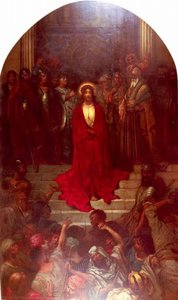
The Burial Of Sarah, Illustration From Dore's 'the Holy Bible'
Rozměry reprodukce
Gustave Doré’s “The Burial of Sarah,” etched from a copper plate in 1866, stands as a monumental achievement within Romantic illustration—a testament to his unparalleled ability to translate biblical narratives into visceral visual experience. More than just a depiction of sorrowful piety, it embodies the spirit of an era grappling with faith and mortality, capturing the profound emotional resonance that defines Doré’s oeuvre.
The scene unfolds within a claustrophobic cave interior, meticulously rendered using linear perspective to convey depth. Figures are arranged around a central coffin, creating a dynamic interplay of spatial relationships and directing the viewer's gaze towards the solemn act of interment. Doré’s masterful use of converging lines draws the eye inwards, amplifying the sense of enclosure and emphasizing the gravity of the occasion. The careful positioning of the figures underscores the narrative’s core theme – the inescapable reality of death and remembrance.
Executed as an engraving—a technique Doré championed—the artwork showcases remarkable precision and tonal gradation achieved through painstaking etching. Each line is carefully carved into a metal plate, meticulously inked, and then pressed onto paper, resulting in a surface texture that subtly mimics the roughness of stone and the folds of fabric. This meticulous process underscores Doré’s dedication to realism while simultaneously elevating the image beyond mere representation. The engraving technique itself speaks volumes about Doré's artistic vision—a commitment to capturing detail with unwavering accuracy.
Doré's style firmly anchors itself within Romantic aesthetics—characterized by dramatic chiaroscuro, heightened emotion, and an obsession with sublime landscapes. The stark contrast between light and shadow serves not only to illuminate key figures but also to symbolize the duality of life and death, mirroring the spiritual struggle at the heart of the biblical tale. The cave setting itself represents purgatory or Hades, a realm of darkness and despair—a deliberate choice reflecting Doré’s Romantic preoccupation with confronting existential anxieties. This stylistic decision powerfully communicates the artwork's emotional core.
Beyond its formal artistry, “The Burial of Sarah” resonates deeply with viewers due to its portrayal of grief and reverence. Doré’s expressive rendering of human faces—laden with sorrow and solemn contemplation—captures the universal experience of loss. Produced during a period marked by intellectual ferment and religious revival, this engraving exemplifies Doré's contribution to disseminating biblical narratives through accessible visual media – securing his place as one of the most influential illustrators of the Victorian era. It remains a poignant reminder of humanity’s confrontation with mortality.

1832 - 1883 , Francie

Explore the life & work of Ramsay Richard Reinagle (1775-1862), a key figure in British sporting art and animal portraiture. Discover his landscapes, panoramas, and contributions to zoological illustration with BuyPopArt.

Explore the rich history of religious art from Giotto to the Renaissance masters with BuyPopArt. Discover symbolism, techniques & enduring legacies. Museum-quality reproductions available.

Explore the profound history of biblical art! Discover Renaissance masterpieces by Giotto & more. Uncover symbolism, artistic techniques, and lasting influence. Expert insights at BuyPopArt.

Explore the captivating power of dramatic scenes in art history. Discover Baroque masters like Ribera & Caravaggio, learn about chiaroscuro techniques, and gain insights for building a powerful art collection with BuyPopArt.

Explore the captivating world of Gustave Doré, master of Romantic realism & iconic illustrator. Discover his dramatic wood engravings, paintings, and sculptures – a legacy shaping art history. Learn more at BuyPopArt.


Buďte na tahu s nejnovějšími novinkami ze světa umění, exkluzivními nabídkami a inspirativními nápady na dekoraci.
Sdělte nám více o svém projektu a naši odborníci na umění vám připraví 3 personalizované návrhy uměleckých děl.
Nechť pro vás vybereme 3 možnosti – zdarma!


 Náhled
 Sdílet
 Sdílet
 Podrobnosti o díle

 Stáhnout
 Podobné položky
 Rentgenové snímky
 Slideshow
 Zobrazit více







 Skleněná varianta je dostupná pouze u rozměrů menších než 110 cm