Young Woman Standing: A Symphony of Light and Femininity
Pierre-Auguste Renoir, one of the most celebrated artists of the Impressionist movement, crafted a captivating portrait titled
Young Woman Standing. This oil on canvas painting, dated 1895, stands as a testament to Renoir’s unparalleled skill in capturing the essence of his subjects with grace and understated elegance—a quintessential embodiment of Impressionist philosophy. More than just an image, it's a distillation of fleeting moments illuminated by natural light, reflecting a profound appreciation for beauty and tranquility that continues to resonate across generations.
The Composition – Harmony Within Simplicity
Renoir’s masterful arrangement contributes significantly to the painting’s atmosphere—one imbued with intimacy and serenity. The central figure, a young woman, occupies the left side of the canvas, positioned before a doorway bathed in diffused sunlight. Alongside her stands a baby, adding warmth and tenderness to the scene. Complementing this focal point are two vases strategically placed near each other, one slightly closer to the center and the other offering a subtle visual counterbalance. A chair rests beneath the woman’s feet, grounding the composition while simultaneously emphasizing the quiet repose of the subject. Renoir's meticulous attention to detail—though eschewing hyperrealism—creates a harmonious balance that elevates the painting’s impact beyond mere decoration. The positioning of these elements isn’t accidental; it speaks to Renoir’s desire to convey not just what is seen but also how it feels—a cornerstone of Impressionist artistic endeavor.
Lighting and Color – Capturing Ephemeral Brilliance
Renoir’s genius lies in his masterful manipulation of light and color, techniques that define the Impressionist style. Soft, natural illumination envelops the woman's face and drapery, highlighting her features with delicate subtlety—a deliberate departure from academic conventions prioritizing meticulous realism. Vibrant hues—primarily pastel shades of pink, yellow, and blue—blend seamlessly together, mirroring the fleeting effects of sunlight filtering through the doorway. This technique is reminiscent of Renoir’s broader artistic vision, where he sought to capture not just visual appearances but also the sensory experience of perceiving beauty. The painter's palette reflects a deep understanding of how human perception operates, resulting in an artwork brimming with life and vibrancy—a celebration of color as it dances across surfaces under shifting light conditions.
Historical Context – Impressionism’s Rebellion Against Tradition
The painting emerged during a pivotal moment in artistic history: the rise of Impressionism—a movement that vehemently rejected the rigid rules and idealized forms favored by academic art institutions. Artists like Renoir, Sisley, Monet, and Bazille challenged established conventions, prioritizing subjective experience over objective representation. Influenced by artists such as Cézanne and Lange (whose photograph “Girl in Church” exemplifies a similar exploration of human emotion), Renoir embraced Impressionism’s ethos—a commitment to capturing not just what is seen but also how it feels. This stylistic rebellion stemmed from a desire to depict the world as perceived by ordinary individuals, prioritizing spontaneity and immediacy over meticulous detail. The painting reflects the broader cultural shifts occurring at the time, signaling a move away from grand narratives toward smaller, more personal observations of daily life—a defining characteristic of Impressionist art’s legacy.
Symbolism – Femininity and Tranquility Embodied
“Young Woman Standing” transcends its visual beauty to convey deeper symbolic meanings. The woman's serene demeanor embodies femininity and grace—themes that resonated powerfully with Renoir throughout his career. Her gaze downward suggests introspection, inviting contemplation on themes of inner life and emotional depth. The presence of the baby beside her reinforces notions of maternal tenderness and familial harmony—visual representations of values cherished during the late 19th century. Renoir’s use of light and color contributes to an aesthetic experience that transcends mere decoration, elevating the painting to a celebration of beauty and tranquility—a testament to his artistic vision and enduring influence on subsequent generations of artists.
Handmade oil paintings reproductions of this artwork are available at BuyPopArt, allowing art enthusiasts to own a piece of history.
Photo Description: The painting is a portrait of a woman standing in front of a doorway. She appears to be wearing a scarf around her neck and has a baby with her. The woman is positioned towards the left side of the image while the baby is on her right side. In the background, there are two vases placed near each other, one closer to the center of the painting and the other slightly further away. Additionally, there is a chair located in the lower part of the scene, close to the woman's feet.
Size: Unknown
Date: 1895
Photo Description: The painting is a portrait of a woman standing in front of a doorway. She appears to be wearing a scarf around her neck and has a baby with her. The woman is positioned towards the left side of the image while the baby is on her right side. In the background, there are two vases placed near each other, one closer to the center of the painting and the other slightly further away. Additionally, there is a chair located in the lower part of the scene, close to the woman's feet.
Size: Unknown
Date: 1895
ARTIST INFORMATION:
==================
Artist: Pierre-Auguste Renoir
Birth Year: 1841
Death Year: 1919
Birth City: Limoges
Birth Country: France
Biography:
A Life Bathed in Light: The World of Pierre-Auguste Renoir
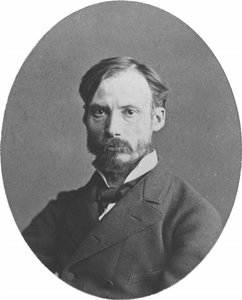
Born in the provincial French city of Limoges in 1841, Pierre-Auguste Renoir’s journey from humble beginnings as a porcelain painter to becoming a celebrated master of Impressionism is a testament to his unwavering dedication and artistic vision. His early life was marked by a move to Paris with his family, seeking economic opportunity, an experience that would profoundly shape his artistic sensibilities. The bustling city, with its vibrant street life and diverse characters, became the wellspring of inspiration for much of his later work. Initially apprenticed to paint porcelain – a practical necessity dictated by financial constraints – young Renoir found solace in frequent visits to the Louvre, where he meticulously studied the Old Masters, absorbing their techniques and developing an appreciation for beauty that would become a hallmark of his style. This early exposure ignited within him a passion for capturing fleeting moments of light and color—a fascination that would define his artistic trajectory throughout his life.