

 Olie på lærredVægkunstBaroque Classicism
 1637Renæssance
 147.0 x 198.0 cm
 Kunsthistorisches Museum
Håndmalet olie på lærred i din valgte størrelse og ramme, udført efter bestilling af vores kunstnere. ( Skift til print Skift til billede)





























Vælg mellem vores forudindstillede størrelser, der matcher kunstværkets originale proportioner.

Du kan indtaste dine egne mål for at passe til en bestemt ramme eller plads. Hvis den valgte størrelse ikke stemmer overens med det originale billedes proportioner, vil vi enten beskære kunstværket eller udvide maleriet med yderligere håndmalede elementer. En digital skitse sendes til din godkendelse, før produktionen påbegyndes.
Bemærk venligst, at forhåndsvisningen på skærmen ikke afspejler den faktiske beskæring eller udvidelse. Kun skitsen vil nøjagtigt vise den endelige komposition.
Selvom specialmål er mulige, anbefaler vi at vælge en dimension fra den foruddefinerede liste for at bevare de originale proportioner.
Levering i hele verden () på 3/4 uger i stedet for de standard 5 uger. (10 august). Ingen kompromiser med kvaliteten.


Ødelæggelsen af Templet i Jerusalem
Størrelse på reproduktion
Nicolas Poussin’s monumental painting, "The Destruction of the Temple at Jerusalem," completed in 1637, is far more than a mere historical depiction; it's a profound meditation on loss, faith, and the enduring tension between chaos and order. Housed within the Kunsthistorisches Museum in Vienna, this oil-on-canvas masterpiece transports us to the heart of a pivotal moment – the Roman siege and ultimate destruction of Jerusalem’s Second Temple – while simultaneously grounding the scene within Poussin's deeply rooted classical sensibilities.
The painting immediately commands attention with its dramatic composition. A swirling vortex of action dominates the foreground, showcasing a brutal clash between Roman soldiers on horseback and the desperate defenders of the city. Swords flash, shields rise in defense, and figures are swept away by the maelstrom of conflict. Yet, amidst this apparent pandemonium, Poussin masterfully employs a carefully constructed pyramidal structure – a hallmark of his style – that provides an underlying sense of stability and control. The composition isn’t simply chaotic; it's deliberately ordered, reflecting a desire to impose harmony upon the devastation.
Poussin’s technical prowess is evident in his masterful use of chiaroscuro – the dramatic interplay of light and shadow. This technique isn't merely employed for aesthetic effect; it serves to heighten the emotional intensity of the scene. The bright, almost ethereal light illuminating the fleeing figures contrasts sharply with the darker, more ominous tones enveloping the soldiers and the crumbling temple. This contrast amplifies the sense of urgency and despair, drawing the viewer’s eye to the suffering and vulnerability depicted.
The artist's brushstrokes are remarkably subtle yet incredibly expressive. He avoids overly detailed rendering, instead favoring a looser, more atmospheric approach that captures the fleeting moments of action and emotion. The colors – predominantly earthy browns, ochres, and deep reds – contribute to the painting’s somber mood, while strategically placed highlights draw attention to key figures and elements within the composition. Poussin's ability to convey such profound emotional depth through seemingly simple brushwork is a testament to his exceptional skill.
"The Destruction of the Temple at Jerusalem" isn’t simply a record of a historical event; it’s imbued with layers of symbolic meaning. The painting draws upon biblical accounts of the Jewish War, but Poussin elevates the scene to a broader allegory about human fallibility and the inevitable consequences of conflict. The figure of Titus, Emperor of Rome, stands as a powerful symbol of imperial power and its destructive potential – yet he is depicted not as a triumphant conqueror, but as a detached observer amidst the chaos.
Furthermore, the painting’s placement within Poussin's series on Jerusalem—including "The Conquest of Jerusalem by Emperor Titus"—suggests an exploration of themes related to conquest, loss, and the enduring legacy of historical trauma. The two works together offer a complex and nuanced perspective on this pivotal moment in history, moving beyond simple narrative to engage with deeper philosophical questions about power, faith, and human nature.
BuyPopArt.com is proud to offer meticulously crafted oil painting reproductions of Poussin’s “The Destruction of the Temple at Jerusalem.” We understand that owning a piece of art history requires not only visual fidelity but also an appreciation for the original's artistic intent and emotional impact. Our skilled artisans employ traditional techniques and utilize the finest pigments to ensure that each reproduction captures the essence of Poussin’s masterpiece with remarkable accuracy.
Whether you are an art collector, a design enthusiast seeking inspiration, or simply someone captivated by this iconic work, a high-quality reproduction from BuyPopArt.com provides a beautiful and accessible way to experience the power and beauty of Nicolas Poussin's "The Destruction of the Temple at Jerusalem." Explore our collection today and bring this timeless masterpiece into your home.
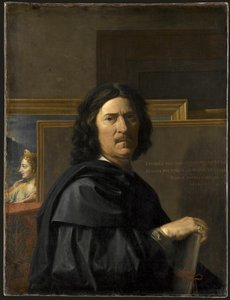
1594 - 1665 , Frankrig

Explore the life & work of Nicolas Poussin, a master of French Classicism. Discover his allegorical paintings, Roman influences, and enduring impact on art history. Expert analysis & insights.

Explore the captivating world of Baroque Classicism! Discover its history, key artists like Caravaggio & Rubens, and defining characteristics. Expert insights & high-quality reproductions at BuyPopArt.

Explore the enduring legacy of Classicism in Western art! Discover its historical context, key principles, iconic masterpieces & lasting influence. Learn about Renaissance and Neoclassical movements with BuyPopArt.

Oplev barokkens storhed! Udforsk 10 ikoniske malerier af Caravaggio, Rembrandt & Vermeer. Lær historierne bag mesterværkerne og find inspiration til din indretning med BuyPopArt.dk – museumskvalitet reproduktioner online.

Dyk ned i barokkunstens verden! Lær om stilens historie, karakteristika og hvordan du integrerer dens drama og elegance i dit moderne hjem. Inspiration & ekspertrådgivning.


Hold dig opdateret med de seneste kunstnyheder, eksklusive tilbud og indretningsideer.
Fortæl os om dit projekt, og vores kunsteksperter vil give dig 3 personlige kunstforslag.
Vi kuraterer 3 valgmuligheder kun til dig – Gratis!


 Se i fuld skala
 Del
Del Del
Del
 Detaljer

 Download
 Lignende værker
 Røntgenundersøgelse
 Diasshow
 Se mere







 Glasmulighed er kun tilgængelig i størrelser under 110 cm


