Olie på træpanelSamtidsrealisme
 1876
1876 46.0 x 35.0 cm
 Marianne North Gallery
Håndmalet olie på lærred i din valgte størrelse og ramme, udført efter bestilling af vores kunstnere. ( Køb print Køb billede)





























Vælg mellem vores forudindstillede størrelser, der matcher kunstværkets originale proportioner.

Du kan indtaste dine egne mål for at passe til en bestemt ramme eller plads. Hvis den valgte størrelse ikke stemmer overens med det originale billedes proportioner, vil vi enten beskære kunstværket eller udvide maleriet med yderligere håndmalede elementer. En digital skitse sendes til din godkendelse, før produktionen påbegyndes.
Bemærk venligst, at forhåndsvisningen på skærmen ikke afspejler den faktiske beskæring eller udvidelse. Kun skitsen vil nøjagtigt vise den endelige komposition.
Selvom specialmål er mulige, anbefaler vi at vælge en dimension fra den foruddefinerede liste for at bevare de originale proportioner.
Levering i hele verden () på 3/4 uger i stedet for de standard 5 uger. (13 august). Ingen kompromiser med kvaliteten.


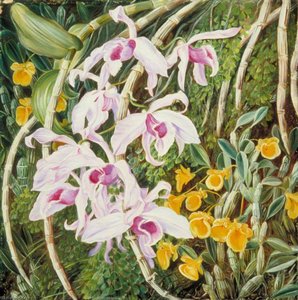
Løv, blomster og frugt af den hellige lotus i Java
Størrelse på reproduktion
Marianne North's "Foliage, Flowers and Fruit of the Sacred Lotus in Java," painted in 1876, is more than a botanical illustration; it’s a vibrant testament to Victorian exploration, artistic dedication, and a profound respect for the natural world. This exquisite oil painting captures a moment of breathtaking beauty within the heart of Indonesia's Javanese landscape, offering viewers an intimate glimpse into a culture deeply intertwined with symbolism and spiritual reverence. North, a remarkably independent woman who defied societal expectations by embarking on decades-long expeditions to document flora across the globe, meticulously rendered this lotus bloom—a potent emblem of purity, enlightenment, and rebirth within Buddhist traditions—with astonishing detail and a captivating sense of life.
The painting immediately draws the eye with its dominant palette of delicate pinks, ranging from blush to deeper rose hues. These warm tones are expertly contrasted against the cool greens of the surrounding foliage and the dark, reflective waters, creating a dynamic visual harmony. North’s masterful use of glazing—a technique involving layering thin washes of oil paint—allows for an incredible depth of color and texture. You can almost feel the velvety softness of the petals, the subtle sheen on the leaves, and the gentle ripples in the water. The composition itself is carefully orchestrated; a vertical arrangement that directs the gaze upwards through the blossoming lotus, emphasizing its regal presence within the scene.
Understanding Marianne North’s life provides crucial context for appreciating her work. Born in 1830, she initially pursued a career as a musician but suffered ill health that redirected her passions toward art. Driven by an insatiable curiosity and a desire to escape the constraints of Victorian society, she embarked on a remarkable series of journeys throughout Asia, Africa, South America, and Australia—all undertaken independently and funded through the sale of her paintings. This wasn’t merely a hobby; it was a deeply personal mission fueled by a genuine love for botany and a commitment to documenting the world's plant life with unparalleled accuracy.
Her travels were not simply about collecting specimens, however. North meticulously observed and recorded the plants in their natural habitats, often spending months living amongst indigenous communities and learning from local experts. She developed close relationships with scientists like Frederic Edwin Church, whose encouragement spurred her to continue her explorations. The creation of her gallery at the Royal Botanic Gardens, Kew—a remarkable achievement for a woman of that era—stands as a lasting legacy of her dedication and a testament to her vision.
The lotus flower itself holds profound significance in Eastern cultures, particularly within Buddhism. Emerging from muddy waters, it symbolizes purity, enlightenment, and rebirth – representing the potential for spiritual growth even amidst challenging circumstances. North’s choice to depict this specific lotus bloom—the *nelumbo nucifera*, a sacred variety associated with the Javanese people—underscores the painting's connection to local traditions and beliefs. The surrounding foliage, rendered with equally meticulous detail, further reinforces this sense of harmony between nature and spirituality.
Beyond its symbolic meaning, “Foliage, Flowers and Fruit of the Sacred Lotus in Java” offers a glimpse into a world far removed from Victorian England. It’s a window onto a vibrant culture steeped in ancient traditions and a profound connection to the natural world. The painting invites us to contemplate themes of beauty, resilience, and the enduring power of nature—qualities that continue to resonate deeply with viewers today.
Reproductions of Marianne North’s “Foliage, Flowers and Fruit of the Sacred Lotus in Java” are highly sought after by collectors and interior designers alike. The painting's rich colors, intricate detail, and evocative subject matter make it a stunning addition to any space. Its serene beauty can bring a sense of tranquility and connection to nature into your home or office. Consider framing this artwork in a classic gold or dark wood frame to complement its elegant aesthetic. This piece is not just a painting; it’s an investment in art history, a celebration of botanical artistry, and a reminder of the enduring power of beauty.

1830 - 1890 , Storbritannien

Discover how Victorian botanical art is transforming modern spaces. Explore high-impact floral aesthetics, from Marianne North's tropical drama to bold, hand-painted reproductions that bring vintage scientific beauty into contemporary urban design.

Elevate your space with bespoke botanical art. Transform your nature photography into hand-painted oil masterpieces using our cutting-edge AI style transformation and professional artistry. Discover a timeless legacy of texture, color, and unmatched craftsmanship at BuyPopArt.

Discover the power of Botanical Realism to transform your space. Explore high-impact nature art, from hand-painted oil reproductions to bold contemporary florals, designed to bring vibrant, organic energy and sophisticated texture to modern urban interiors.


Hold dig opdateret med de seneste kunstnyheder, eksklusive tilbud og indretningsideer.
Fortæl os om dit projekt, og vores kunsteksperter vil give dig 3 personlige kunstforslag.
Vi kuraterer 3 valgmuligheder kun til dig – Gratis!


 Se i fuld skala
 Del
Del Del
Del
 Detaljer

 Download
 Lignende værker
 Røntgenundersøgelse
 Diasshow
 Se mere







 Glasmulighed er kun tilgængelig i størrelser under 110 cm