

Håndmalet olie på lærred i din valgte størrelse og ramme, udført efter bestilling af vores kunstnere. ( Skift til print Skift til billede)





























Vælg mellem vores forudindstillede størrelser, der matcher kunstværkets originale proportioner.

Du kan indtaste dine egne mål for at passe til en bestemt ramme eller plads. Hvis den valgte størrelse ikke stemmer overens med det originale billedes proportioner, vil vi enten beskære kunstværket eller udvide maleriet med yderligere håndmalede elementer. En digital skitse sendes til din godkendelse, før produktionen påbegyndes.
Bemærk venligst, at forhåndsvisningen på skærmen ikke afspejler den faktiske beskæring eller udvidelse. Kun skitsen vil nøjagtigt vise den endelige komposition.
Selvom specialmål er mulige, anbefaler vi at vælge en dimension fra den foruddefinerede liste for at bevare de originale proportioner.
Levering i hele verden () på 3/4 uger i stedet for de standard 5 uger. (5 august). Ingen kompromiser med kvaliteten.


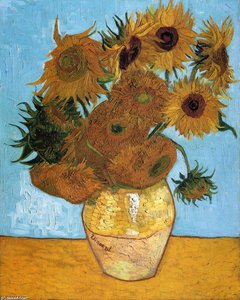
"Still Life (Nature morte), 1888" -> "Naturligt Liv (Still Life)"
Størrelse på reproduktion
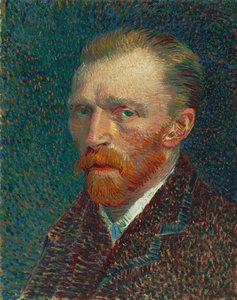
1853 - 1890 , Holland

Oplev Vincent van Goghs 25 mest ikoniske malerier! Fra 'Stjernenat' til 'Solsikker', udforsk historien, teknikken og passionen bag hvert mesterværk. Find inspiration & køb museumskvalitets reproduktioner på BuyPopArt.com.
Oplev de 25 mest ikoniske kunstværker fra Metropolitan Museum of Art i New York! Fra Monet til Van Gogh – lær historierne bag mesterværkerne og find inspiration til dit hjem. Køb museumskvalitets reproduktioner på BuyPopArt.com.

Oplev postimpressionismens 10 mest ikoniske værker! Fra Van Goghs penselstrøg til Cézannes former. Lær historierne bag berømte malerier og find inspiration til din indretning med kunst af høj kvalitet på BuyPopArt.com. Udforsk samlingen online.

Oplev Rembrandts 25 mest ikoniske kunstværker! Fordyb dig i historierne bag 'Nattevagten', hans selvportrætter og bibelske motiver. Find museumskvalitets reproduktioner & inspiration til din væg på BuyPopArt.com.
Oplev de 25 mest ikoniske kunstværker på Musée d'Orsay! Fra Monet og Renoir til Van Gogh – udforsk impressionisme & post-impressionisme. Find inspiration til dit hjem med museumskvalitets reproduktioner hos BuyPopArt.com.


Hold dig opdateret med de seneste kunstnyheder, eksklusive tilbud og indretningsideer.
Fortæl os om dit projekt, og vores kunsteksperter vil give dig 3 personlige kunstforslag.
Vi kuraterer 3 valgmuligheder kun til dig – Gratis!


 Se i fuld skala
 Del
Del Del
Del
 Detaljer

 Download
 Lignende værker
 Røntgenundersøgelse
 Diasshow

 Se mere







 Glasmulighed er kun tilgængelig i størrelser under 110 cm






![Irisser [1889]](/media/artworks/images/thumbnails/17/b6/17b64e9e1ede40baae0afe5972aa8de0.jpg)

