

Handgemaltes Ölgemälde auf Leinwand in Ihrer Wunschgröße und mit Rahmen, auf Bestellung von unseren Künstlern angefertigt. ( Zum Druck wechseln Zum Bild wechseln)
Wählen Sie aus unseren vordefinierten Formaten, die den ursprünglichen Proportionen des Kunstwerks entsprechen.

Sie können Ihre eigenen Maße eingeben, um einen bestimmten Rahmen oder Platz auszufüllen. Wenn die gewählte Größe nicht den Proportionen des Originalbildes entspricht, werden wir das Kunstwerk entweder beschneiden oder das Gemälde durch zusätzliche, handgemalte Elemente erweitern. Ein digitales Mockup wird Ihnen zur Genehmigung zugesandt, bevor die Produktion beginnt.
Bitte beachten Sie, dass die Bildschirmvorschau nicht die tatsächliche Beschneidung oder Erweiterung widerspiegelt. Nur das Mockup zeigt die endgültige Komposition exakt an.
Obwohl Sondermaße verfügbar sind, empfehlen wir, eine Größe aus der vordefinierten Liste zu wählen, um die ursprünglichen Proportionen beizubehalten.
Weltweiter Versand () in nur 3 bis 4 Wochen statt der üblichen 5 Wochen. (9 August). Keine Kompromisse bei der Qualität.


Die Schießerei Der Gefangenenabschuss
Format der Reproduktion
Eugenio Lucas Velázquez, a name often intertwined with the enigmatic figure of Eugenio Lucas Padilla, remains a captivating and somewhat elusive figure in 19th-century Spanish art. Born in Madrid in 1817 to a middle-class family initially involved in cabinetmaking, his artistic journey began not through formal academic training but through an intense, almost obsessive study of the masterpieces housed within the Museo del Prado. This early immersion in the works of Goya and Velázquez profoundly shaped his aesthetic sensibilities, laying the foundation for a distinctive style characterized by vibrant color palettes, dynamic brushwork, and a deep engagement with the realities of everyday Spanish life – a genre he masterfully captured under the banner of *costumbrista* art.
Lucas’s artistic development was marked by a deliberate rejection of the rigid conventions of the Real Academia de Bellas Artes de San Fernando. While he briefly attended, he quickly abandoned the prescribed Classicism, preferring instead to forge his own path inspired by Goya's expressive spirit and the raw emotion evident in his depictions of Spanish society. This decision led him to meticulously copy paintings from the Prado for years, a practice that, while initially viewed as unorthodox, ultimately honed his technical skills and deepened his understanding of composition and technique.
Goya’s profound impact on Lucas Velázquez is undeniable. The artist absorbed Goya's penchant for capturing the dramatic intensity of human emotion, his masterful use of light and shadow, and his unflinching portrayal of both the sublime and the grotesque. However, Lucas didn’t simply imitate; he channeled Goya’s spirit into a distinctly Romantic vision. Furthermore, a pivotal trip to Paris in 1852 proved transformative. Exposed to the burgeoning artistic currents of the time – particularly the influence of Eugène Delacroix – Lucas embraced looser brushwork and a heightened sense of drama, incorporating elements of French Romanticism into his own style.
This Parisian sojourn wasn’t merely an aesthetic encounter; it represented a crucial shift in perspective. Lucas began to depict scenes from Spanish life with a greater emphasis on social commentary and the struggles of ordinary people. He moved beyond simple genre paintings, exploring themes of poverty, rural labor, and the complexities of human relationships – subjects that resonated deeply with the Romantic sensibility.
Despite his independent spirit, Lucas Velázquez’s career was inextricably linked to patronage. Following a successful exhibition in 1850, he secured commissions from wealthy patrons, including the influential Marqués de Salamanca, who famously had one of Goya's unsettling Black Paintings removed from his palace and installed within Lucas’s collection. This association with the upper echelons of Spanish society afforded him financial stability and access to a wider audience, but it also shaped the subject matter of many of his works – often depicting scenes of aristocratic leisure and social gatherings.
Queen Isabel II recognized Lucas's talent, bestowing upon him the title of Honorary Court Painter and elevating him to the Order of Charles III. This honor solidified his position within the artistic establishment and further enhanced his reputation as a leading figure in Spanish Romanticism. His paintings frequently depicted scenes of courtly life, offering glimpses into the opulent world of the Spanish monarchy.
Lucas Velázquez’s art is primarily defined by *costumbrista* painting – a genre that sought to document and celebrate the customs, traditions, and everyday life of Spain. However, his work transcends mere documentation; he imbued these scenes with a potent emotional charge, often incorporating fantastical elements and dreamlike imagery. His paintings are not simply representations of reality but rather evocative narratives that explore the complexities of human experience.
Lucas’s distinctive style is characterized by bold color palettes, dynamic brushwork, and an expressive use of light and shadow. He frequently employed a technique known as *alla prima*, working directly onto the canvas without extensive underpainting, resulting in paintings with a sense of immediacy and spontaneity. His compositions are often asymmetrical and crowded, reflecting the bustling energy of Spanish life.
Despite the challenges posed by his relatively small body of signed works – a factor that has complicated efforts to fully attribute his oeuvre – Eugenio Lucas Velázquez remains a significant figure in Spanish Romantic art. His paintings offer a compelling glimpse into the social, cultural, and emotional landscape of 19th-century Spain. His influence can be seen in the work of subsequent generations of Spanish artists, and his evocative depictions of everyday life continue to resonate with viewers today.
Lucas’s legacy is further cemented by his son, Eugenio Lucas Villaamil, who also pursued a career as an artist, carrying on the family tradition of capturing the spirit of Spain through vibrant color and expressive brushwork. Together, father and son contributed significantly to the development of Spanish Romantic painting, leaving behind a rich artistic heritage that continues to be studied and appreciated.

Explore the dramatic world of Spanish Baroque art! Discover masters like Zurbarán & the powerful influence of religious zeal on painting techniques – a guide for collectors and enthusiasts.
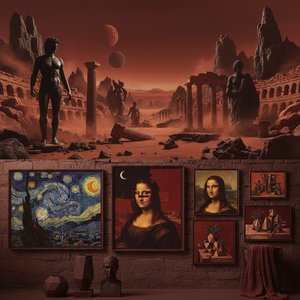
Entdecken Sie die Top 10 Gemälde, die von tiefem Schwarz und dramatischer Atmosphäre geprägt sind. Von Caravaggio bis Manet – Kunstgeschichte erleben & hochwertige Reproduktionen auf finden! Jetzt entdecken.

Entdecken Sie die Top 10 berühmter Gemälde in beruhigenden Treibholz-Tönen! Von Impressionismus bis Moderne – erfahren Sie die Geschichten hinter den Meisterwerken und finden Sie hochwertige Kunstdrucke für Ihr Zuhause. Jetzt auf inspirieren lassen!

Entdecken Sie die Top 10 berühmter Gemälde im Grauton! Von Rembrandt bis Goya – erfahren Sie die Geschichten hinter ikonischen Werken und lassen Sie sich von monochromer Kunst inspirieren. Hochwertige Reproduktionen auf
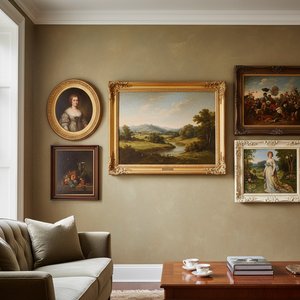
Entdecken Sie die 10 bedeutendsten Meisterwerke des 18. & 19. Jahrhunderts! Von Romantik bis Impressionismus – erfahren Sie die Geschichten berühmter Künstler und ihrer ikonischen Gemälde. Hochwertige Kunstdrucke auf BuyPopArt.com.


Bleiben Sie über die neuesten Kunstnachrichten, exklusive Angebote und Dekorationsideen auf dem Laufenden.
Erzählen Sie uns von Ihrem Projekt, und unsere Kunstexperten erstellen für Sie drei personalisierte Kunstvorschläge.
Wir kuratieren 3 Optionen exklusiv für Sie – kostenlos!


 Vorschau anzeigen
 Versenden
 Teilen
 Details anzeigen

 Herunterladen
 Ähnliche Objekte
 Röntgenaufnahme
 Diashow
 Weiterlesen




































 Die Glasoption ist nur für Größen unter 110 cm verfügbar.


