Αγορά εκτύπωσης Αγορά εκτύπωσηςΑγορά ψηφιακής εικόνας Αγορά ψηφιακής εικόνας ΑποστολήΑποστολή
ΛεπτομέρειεςΛεπτομέρειες Προσθήκη στα αγαπημένα Προσθήκη στα αγαπημένα ΛήψηΛήψη Παρόμοια έργαΠαρόμοια έργα ΑκτινογραφίαΑκτινογραφία ΠαρουσίασηΠαρουσίαση

ΛΑΘΟΣ ΑΡ ΝΗΜΑ

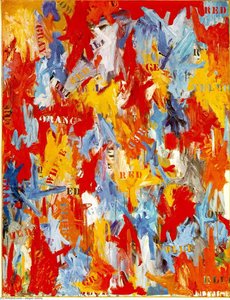
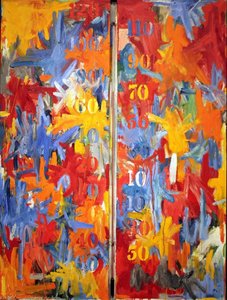
Ανακαλύψτε το «False Start» του Jasper Johns: Ένας πρωτοποριακός πίνακας που συνδέει την Αβηραστροποίηση με την Pop Art, γεμάτος αριθμούς και έντονες χρωματικές αντιθέσεις. Μια οπτική δήλωση για τη δημιουργία και την αναπαράσταση.

Ο Jasper Johns (1930-): Ένας πρωτοπόρος της Pop & Abstract Expressionism! Δημιουργός των εμβληματικών έργων όπως το 'Φράγμα', χάρτες και στόχοι – επαναπροσδιορίζοντας την σύγχρονη τέχνη.

Χειροποίητη Αναπαραγωγή σε Έλαιο

Χειροποίητη α óleo σε καμβά στο δικό σας μέγεθος και πλαίσιο, κατά παραγγελία από τους καλλιτέχνες μας.


P118B $10
P118H $10
P118W $10
P438Z $10
P508JH $12
P508YH $12
P805H $10
P805Z $10
P919BZ $10
P919G $10
P919XJ $10
P959ZH $10
P968JZ $12
W106C $8
W218G $10
W218JH $8
W218Y $10
W307PJ $10
W316G $10
W316PJ $8
W316Y $10
W398PJ $8
W4111J $10
W500HY $15
W500JH $15
W692G $12
W849H $8
W940BG $15
W953PJ $8

Standard
custom
CM
INCH

Επιλέξτε από τις προκαθορισμένες διαστάσεις μας που διατηρούν τις αρχικές αναλογίες του έργου τέχνης.

πλάτος
ύψος

Μπορείτε να εισάγετε δικές σας διαστάσεις για να ταιριάξετε το έργο με ένα συγκεκριμένο πλαίσιο ή χώρο. Εάν το επιλεγμένο μέγεθος δεν συμπίπτει με τις αναλογίες της αρχικής εικόνας, θα περικοψούμε το έργο τέχνης ή θα επεκτείνουμε τη ζωγραφιά με πρόσθετα χειρόγραφα στοιχεία. Ένα ψηφιακό προσχέδιο θα σας σταλεί για έγκριση πριν την έναρξη της παραγωγής.
Παρακαλούμε σημειώστε ότι η προεπισκόπηση στην οθόνη δεν αντικατοπτρίζει την πραγματική περικοπή ή επέκταση. Μόνο το προσχέδιο θα δείξει με ακρίβεια την τελική σύνθεση.
Παρόλο που είναι διαθέσιμα προσαρμοσμένα μεγέθη, συνιστούμε να επιλέξετε μια διάσταση από τη λίστα των προκαθορισμένων μεγεθών για τη διατήρηση των αρχικών αναλογιών.

Παραδείγματα αλλαγών: Αντικατάσταση προσώπου με φωτογραφία του πελάτη· Προσθήκη κατοικίδιου (π.χ., αντικατάσταση γάτας με σκύλο)· Ενσωμάτωση κρυφού μηνύματος στο φόντο· Αλλαγή τοπίου ή στοιχείων του φόντου.
Μετά την παραγγελία, η ομάδα του BuyPopArt.com θα στείλει email στον πελάτη για οδηγίες και θα παρέχει μια προεπισκόπηση προσχεδίου

Παγκόσμια Αποστολή () σε 3/4 εβδομάδες αντί για τις συνήθεις 5 εβδομάδες. (16 Ιούλιος). Χωρίς συμβιβασμούς στην ποιότητα.

why_choose_icon
Δωρεάν Παγκόσμια Αποστολή Express
why_choose_icon
Κάμβας από Λινό Υψηλής Ποιότητας
why_choose_icon
Πλήρης ασφάλιση μεταφοράς
why_choose_icon
Εγγύηση Επιστροφής Δασμών και Φόρων
why_choose_icon
Εγγύηση Απόλυτης Ομοιότητας Χρωμάτων
why_choose_icon
Πολιτική Επιστροφής 60 Ημερών (Μόνο σε περίπτωση ελαττωμάτων)
why_choose_icon
Εγγύηση επιστροφής 100% των χρημάτων
why_choose_icon
Έκπτωση για πολλαπλές παραγγελίες

Συνολικό Κόστος

-

reproduction

ΛΑΘΟΣ ΑΡ ΝΗΜΑ

Τεχνική Αναπαραγωγής

Διαστάσεις Αναπαραγωγής

-

Τελική Τιμή

-

Σημαντικά στοιχεία

  • influences:
    • Robert Rauschenberg
    • Merce Cunningham
    • John Cage
  • subject: Abstract, Numbers, Symbols
  • year: 1959
  • notable_elements:
    • Numbers
    • Bold Colors
    • Dynamic Brushstrokes
    • Vertical Division
  • title: False Start
  • style: Abstract

ΚВИΖ Τέχνης

Για κάθε ερώτηση υπάρχει μόνο μία σωστή απάντηση.

Ερώτηση 1:
In what year was Jasper Johns' *False Start* created?
Ερώτηση 2:
*False Start* is often associated with a transition between which two art movements?
Ερώτηση 3:
What is a prominent visual element repeatedly used throughout the composition of *False Start*?
Ερώτηση 4:
The technique employed in *False Start*, characterized by visible brushstrokes and thick paint application, is known as:
Ερώτηση 5:
What role did Robert Rauschenberg play in Jasper Johns' artistic development?

Περιγραφή Έργου

Ένα Σημαντικό Βήμα προς τα Μέσα: Το «False Start» του Jasper Johns

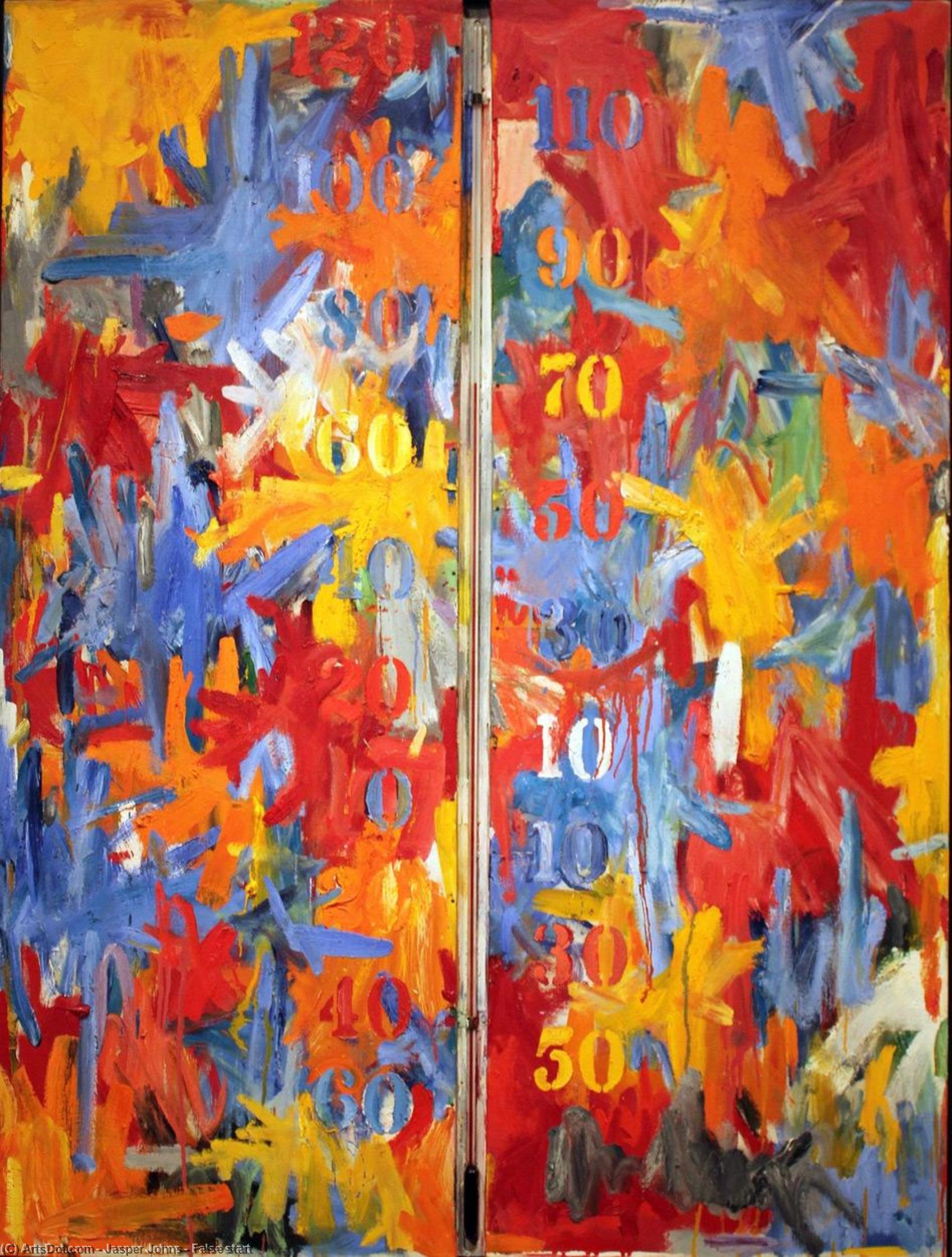
Το «False Start» του Jasper Johns, ζωγραφισμένο το 1959, δεν είναι απλώς ένα έργο τέχνης – είναι μια σταθμική στιγμή στην ιστορία της αμερικανικής τέχνης. Αποτελεί μια συναρπαστική διασταύρωση μεταξύ του Abstract Expressionism και της αναδυόμενης Pop Art, ένα σημείο καμπής όπου η παραδοσιακή έννοια της αναπαράστασης αμφισβητείται και επαναπροσδιορίζεται. Αυτό το έργο, με τις έντονη πολυπλοκότητα και την ιδιαίτερη ατμόσφαιρα, μας καλεί σε μια βαθιά εξερεύνηση των ορίων της εικόνας και του τρόπου με τον οποίο αντιλαμβανόμαστε τον κόσμο γύρω μας. Η επιφάνεια του έργου χωρίζεται από μια δραματική λευκή γραμμή, δημιουργώντας παράλληλα μια ισορροπία και εντεταμένες διακυμάνσεις, ενώ ταυτόχρονα υπογραμμίζει την ιδέα της αποσύνδεσης. Ανάμεσα σε αυτές τις δύο πτέρυγες, ένα πυκνό στρώμα σχημάτων, χρωμάτων και αριθμών δημιουργεί μια αίσθηση έντασης και πολυεπίπεδης ερμηνείας.

Χρώματα, Υφές και Αντιθέσεις: Μια Αισθητική Επανάσταση

Η παλέτα του «False Start» είναι ένα εκρηκτικό μείγμα φωτεινών χρωμάτων – έντονων κόκκινων, ζεστών πορτοκαλιών, λαμπερών κίτρινων, ψυχρών μπλε και καθαρών λευκών. Αυτά τα χρώματα δεν απλά "χρωματίζουν" την επιφάνεια, αλλά αλληλοσυμπληρώνονται και αντιπαρατίθενται με έναν τρόπο που δημιουργεί μια δυναμική ενέργεια. Ο Johns χρησιμοποιεί τεχνικές impasto – πολύ πυκνά στρώματα χρώματος που ξεπροβάλλουν από το ύφασμα – προσδίδοντας στο έργο μια έντονη, σχεδόν φυσική αίσθηση. Επιπλέον, η χρήση χρωμάτων σε αντίθεση, με έντονες διαβαθμίσεις και σκιές, ενισχύει την αίσθηση της κίνησης και της αστάθειας, ενώ ταυτόχρονα δημιουργεί μια αίσθηση βάθους και πολυπλοκότητας. Η τεχνική του είναι ιδιαίτερα εμφανής στις χοντρές, ατημέλητες μαρκαδόρες και στα σπρέι που διαχέονται στην επιφάνεια, υπογραμμίζοντας την αυθόρμητο και άμεση προσέγγιση του καλλιτέχνη.

Σύμβολα, Αριθμοί και η Ερώτηση για την Αναπαράσταση

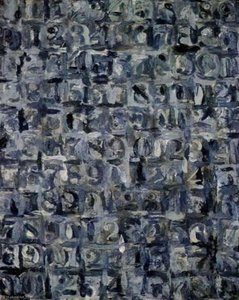
Η ενσωμάτωση αριθμών στο έργο δεν είναι τυχαία. Αυτά τα νούμερα – 60, 70, 10, 30, 50 – προσθέτουν ένα επιπλέον επίπεδο αινιγματικότητας και ανοίγουν το δρόμο για ερμηνείες που ξεπερνούν την απλή οπτική αναγνώριση. Ο Johns χρησιμοποιεί αριθμούς ως σύμβολα, δημιουργώντας μια γλώσσα που είναι ταυτόχρονα άτυπη και βαθιά συμβολική. Η επιλογή αυτών των συγκεκριμένων αριθμών, η διάθεσή τους σε τυχαία αλλά στρατηγικά τοποθετημένα σημεία, υποδηλώνει μια προσπάθεια να δημιουργηθεί ένα σύστημα ή κώδικας που απαιτεί από τον θεατή να συμμετάσχει ενεργά στην ερμηνεία του έργου. Είναι σημαντικό να σημειωθεί ότι τα χρώματα δεν αντιστοιχούν πάντα με την έννοια που υποδηλώνουν, δημιουργώντας μια αίσθηση σύγχυσης και αμφιβολίας σχετικά με τη σχέση μεταξύ γλώσσας, χρωμάτων και σημασίας. Το «False Start» είναι ένα έργο που μας προκαλεί να αμφισβητήσουμε τις παραδοσιακές αντιλήψεις για την τέχνη και να εξερευνήσουμε νέους τρόπους κατανόησης του κόσμου γύρω μας.

Ιστορικό και Επίδραση: Ένα Σημαντικό Σημείο Καμπής

Το «False Start» ανήκει σε μια κρίσιμη εποχή στην ιστορία της τέχνης, μια περίοδο μετάβασης από τον αφηνιασμένο ρυθμό του Abstract Expressionism προς την πιο εμπορικά προσανατολισμένη Pop Art. Αυτό το έργο σηματοδοτεί ένα σημείο καμπής, όπου οι καλλιτέχνες άρχισαν να αμφισβητούν τις παραδοσιακές έννοιες της δημιουργικότητας και της αυθεντικότητας, εξερευνώντας νέους τρόπους έκφρασης που ήταν πιο κοντά στην καθημερινή ζωή και την πολιτιστική κουλτούρα. Η επιρροή του Johns επεκτάθηκε πολύ πέρα από το δικό του έργο, επηρεάζοντας μια ολόκληρη γενιά καλλιτεχνών και διαμορφώνοντας την πορεία της σύγχρονης τέχνης.

Βιογραφία Καλλιτέχνη

A Life Painted in Symbols: The World of Jasper Johns

Jasper Johns emerged as a pivotal figure in the landscape of American art, bridging the emotive intensity of Abstract Expressionism with the burgeoning Pop Art movement that would soon redefine artistic boundaries. Born in Augusta, Georgia, in 1930, his early life was marked by a sense of displacement following his parents’ divorce, an experience that perhaps subtly informed his later explorations of identity and belonging within the context of American iconography. His formative years unfolded across various schools before he briefly attended the University of South Carolina, but it wasn't until his move to New York City in 1949 that Johns truly began to forge his artistic path. A period of service during the Korean War further shaped his perspective, exposing him to a world far removed from the burgeoning art scene he was eager to embrace upon his return. This early exposure to conflict and displacement undoubtedly contributed to the introspective nature of much of his later work, prompting him to examine themes of perception, representation, and the complexities of American identity.

Breaking with Abstraction: The Dawn of a New Visual Language

The post-war American art world was dominated by Abstract Expressionism—a style characterized by spontaneous gesture and deeply personal emotional expression. While initially influenced by this movement, Johns felt compelled to move beyond its purely non-representational approach. He sought a new visual language, one that incorporated recognizable imagery not as illustrations but as vehicles for deeper contemplation. This wasn’t simply about *depicting* the world; it was about questioning how we perceive and interpret symbols within it. Key influences guided his departure: Marcel Duchamp's radical readymades challenged conventional notions of art-making, demonstrating that everyday objects could be elevated to the status of art through their presentation, while the emphasis on materiality in Abstract Expressionism informed Johns’ early techniques. However, it was the everyday objects and potent symbols of American culture—flags, targets, maps, numbers—that truly became central to his artistic vocabulary. He wasn't interested in escaping representation; he wanted to dissect it, layer it with meaning, and ultimately reveal its inherent ambiguities. This shift marked a significant departure from the subjective emotionalism of Abstract Expressionism, prioritizing intellectual engagement and symbolic exploration over raw feeling.

Iconic Images: Flags, Targets, and the Language of Symbols

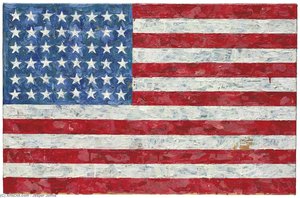
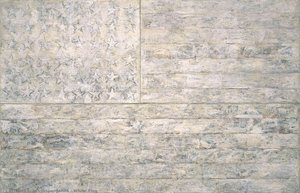
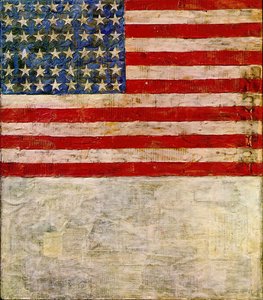
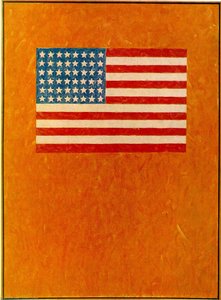
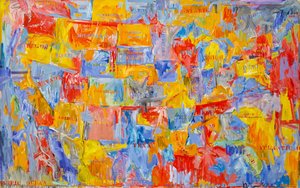
Johns’ breakthrough works arrived in the mid-1950s, instantly establishing him as a force to be reckoned with. His paintings of flags, most notably *Flag* (1954–55), were not patriotic declarations but rather investigations into the very nature of representation. Rendered in a semi-abstract style, using encaustic—pigment mixed with hot wax—and collage techniques, these flags weren’t simply images; they were textured surfaces laden with symbolic weight. The *Flag* series wasn't about celebrating American nationalism, but rather questioning the act of seeing and representing – what does it mean to depict something so familiar? Similarly, his target paintings, beginning in 1958, explored themes of chance, accuracy, and the relationship between perception and reality. These works, often executed with a deceptively simple palette, invited viewers to consider the inherent contradictions within seemingly straightforward images. *Map* (1961), with its fragmented and layered depictions of the United States, delved into themes of geography, identity, and the complexities of national representation. Works like *False Start* (1959) demonstrated his experimentation with language and visual codes, creating complex compositions that challenged viewers to decipher their underlying meanings. Even *White Flag* (1955), a seemingly simple monochrome canvas, prompted profound questions about absence, surrender, and the very act of seeing.

Technique and Materials: Encaustic, Collage, and Beyond

Jasper Johns’ artistic process was characterized by meticulous attention to detail and an innovative use of materials. He frequently employed encaustic—a mixture of pigment and hot wax—to create textured surfaces and layered effects, lending a tactile quality to his paintings. Collage techniques were also integral to his work, incorporating elements such as newspaper clippings, maps, and found objects into his compositions. This layering of different media created visual complexity and invited multiple interpretations. Johns’ use of numbers, particularly in works like *Numbers 1-10* (1958), demonstrated a fascination with mathematical precision and the inherent order within seemingly chaotic arrangements. He also experimented with printmaking techniques, producing lithographs and screenprints that further explored his symbolic vocabulary. The deliberate choice of materials—encaustic, collage, found objects—was not merely decorative; it was a fundamental aspect of Johns’ artistic language, contributing to the layered meanings embedded in his work.

Recognition and Enduring Impact

Throughout his illustrious career, Jasper Johns has received numerous accolades, including a Golden Lion at the Venice Biennale in 1988, the National Medal of Arts in 1990, and the Presidential Medal of Freedom in 2011. His works are held in major museum collections worldwide—the Museum of Modern Art, the Whitney Museum of American Art, the Metropolitan Museum of Art in New York, and Tate Modern in London, to name just a few. He has been the subject of countless exhibitions, cementing his position as one of the most important figures in 20th-century art. Beyond his paintings, Johns’ contributions extend to sculpture and printmaking, demonstrating his versatility and unwavering commitment to artistic innovation. His enduring legacy lies not only in the iconic images he created but also in the profound questions he raised about the nature of representation, symbolism, and the very essence of what it means to be an artist in a rapidly changing world. Johns continues to create art today, pushing the boundaries of his practice while retaining the core principles that have defined his career.
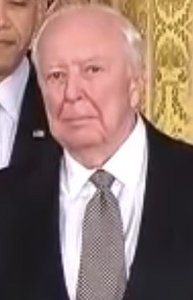
Jasper Johns

Jasper Johns

1930 - , Ηνωμένες Πολιτείες της Αμερικής

Σημαντικά στοιχεία

  • Artistic Movement Or Style: Pop & Abstr Expres
  • Artists Or Movements Influenced By This Artist:
    • Warhol
    • Lichtenstein
  • Artists Who Influenced This Artist: ['Duchamp']
  • Date Of Birth: 15 Μαΐου 1930
  • Full Name: Jasper Johns
  • Nationality: Αμερικανός
  • Notable Artworks:
    • Flag
    • Target
    • Map
  • Place Of Birth: Augusta, ΗΠΑ
Εξερευνήστε έργα τέχνης ταξινομημένα ανά θέμα, στυλ και χαρακτηριστικά.