

Χειροποίητη oil painting σε καμβά στο δικό σας μέγεθος και πλαίσιο, κατά παραγγελία από τους καλλιτέχνες μας. ( Αγορά εκτύπωσης Αγορά ψηφιακής εικόνας)





























Επιλέξτε από τις προκαθορισμένες διαστάσεις μας που διατηρούν τις αρχικές αναλογίες του έργου τέχνης.

Μπορείτε να ορίσετε δικές σας διαστάσεις ώστε το έργο να ταιριάζει σε ένα συγκεκριμένο πλαίσιο ή χώρο. Εάν το επιλεγμένο μέγεθος δεν συμπίπτει με τις αναλογίες της αρχικής εικόνας, θα περικοψούμε το έργο ή θα επεκτείνουμε τη ζωγραφιά με πρόσθετα χειρόγραφα στοιχεία. Ένα ψηφιακό προσχέδιο θα σας αποσταλεί για έγκριση πριν την έναρξη της παραγωγής.
Παρακαλούμε σημειώστε ότι η προεπισκόπηση στην οθόνη δεν αντικατοπτρίζει την πραγματική περικοπή ή επέκταση. Μόνο το προσχέδιο θα δείξει με ακρίβεια την τελική σύνθεση.
Παρόλο που είναι διαθέσιμα προσαρμοσμένα μεγέθη, συνιστούμε να επιλέξετε μια διάσταση από τη λίστα των προκαθορισμένων μεγεθών για τη διατήρηση των αρχικών αναλογιών.
Παγκόσμια Αποστολή () σε 3-4 εβδομάδες αντί για τις συνήθεις 5 εβδομάδες. (14 Αύγουστος). Χωρίς συμβιβασμούς στην ποιότητα.


Landscape with Small Wood: Το τοπίο με μικρά δέντρα
Διαστάσεις Αναπαραγωγής
Ο Αλέξης Γιαβλενσκι, ένας καλλιτέχνης που άφησε ανεξίτηλο σημάδι στην ιστορία της τέχνης του πρώτου μισού του αιώνα περνούσε από μια παιδική ηλικία γεμάτη μετακινήσεις και καταλήγει να ζει στα Τόρτζοκ της Ρωσίας. Η αρχική του προσπάθεια να ακολουθήσει μια στρατιωτική καριέρα τον οδήγησε σε μια εντυπωσιακή καλλιτεχνική αναζήτηση που ξεκίνησε το 1889 στην Ακαδημία Τέχνης και τον συνέφερε βαθιά στην εξερεύνηση των πιο προσωπικών του συναισθημάτων.
Το έργο του Γιαβλενσκι έχει αφήσει μια σημαντική κληρονομιά στην ιστορία της τέχνης και συνεχίζει να εμπνέει καλλιτέχνες και θεατές μέχρι σήμερα. Η ομορφιά και η ενέργεια που αποτυπώνονται στο «Τοπίο με Μικρά Ξύλα» είναι μια μαρτυρία της δημιουργικότητας του Γιαβλενσκι και της βαθιάς κατανόησης του ανθρώπου ως προς την σχέση του με τον κόσμο γύρω του.

1864 - 1941 , Ρωσία
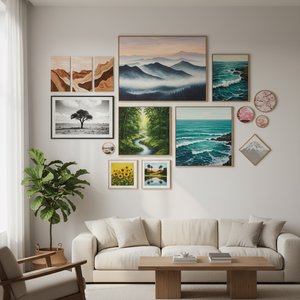
Ανακαλύψτε τα 10 κορυφαία έργα τέχνης που αποτυπώνουν την ομορφιά του τοπίου! Από Monet έως Van Gogh, εξερευνήστε ιστορίες, τεχνικές & χρώματα. Βρείτε πίνακες για διακόσμηση στο BuyPopArt.gr.
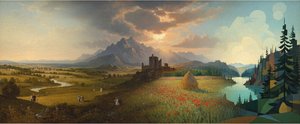
Explore the rich history of landscape art with BuyPopArt. Discover renowned artists, movements like Impressionism & Romanticism, and expert guidance for collecting timeless pieces. Find your perfect serene escape today!

Ανακαλύψτε τους 10 πίνακες που καθόρισαν τον Ρομαντισμό στην τοπιογραφία! Friedrich, Turner & άλλοι. Ιστορίες τέχνης, τεχνικές και έμπνευση για διακόσμηση σπιτιού. Βρείτε αναπαραγωγές υψηλής ποιότητας στο BuyPopArt.com.
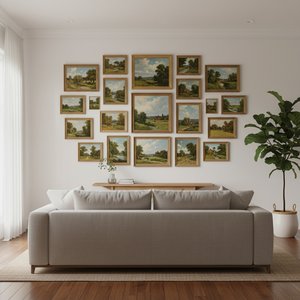
Ανακαλύψτε τα 25 κορυφαία έργα τέχνης του John Constable! Εξερευνήστε την αγγλική τοπιογραφία, τον ρομαντισμό και τη μαγεία της φύσης. Υψηλής ποιότητας αναπαραγωγές & ιδέες διακόσμησης στον χώρο σας. Ανακαλύψτε όλα τα αριστουργήματα στο BuyPopArt.com

Explore the rich history of landscape art with BuyPopArt. Discover renowned artists, movements like Impressionism & tonalism, and expert guidance for collecting timeless pieces. Find your perfect serene escape today!


Μείνετε ενημερωμένοι για τις τελευταίες ειδήσεις σχετικά με την τέχνη, αποκλειστικές προσφορές και ιδέες διακόσμησης.
Πείτε μας περισσότερα για το έργο σας και οι ειδικοί μας στην τέχνη θα σας προσφέρουν 3 εξατομικευμένες προτάσεις έργων τέχνης.
Αφήστε μας να επιμεληθούμε 3 επιλογές αποκλειστικά για εσάς – Δωρεάν!


 Δείτε σε πραγματικό χώρο
 Αποστολή
 Κοινοποίηση
 Λεπτομέρειες

 Λήψη
Λήψη
 Παρόμοια αντικείμενα συλλογής
 Ακτινογραφία
 Παρουσίαση

 Διαβάστε περισσότερα







 Η επιλογή με γυαλί είναι διαθέσιμη μόνο για μεγέθη κάτω από 110 εκ.


