Peter Blake (1932 – )
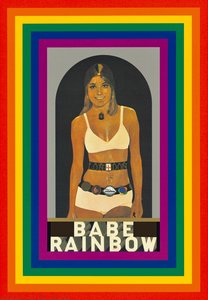
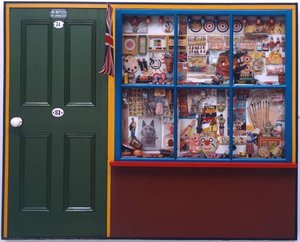
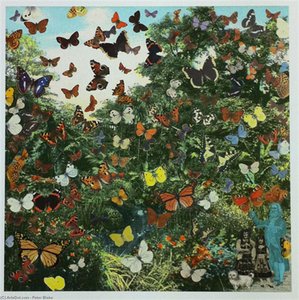
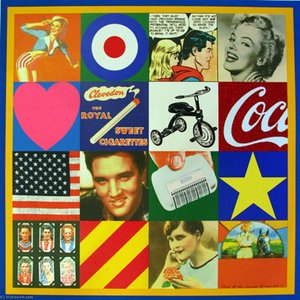
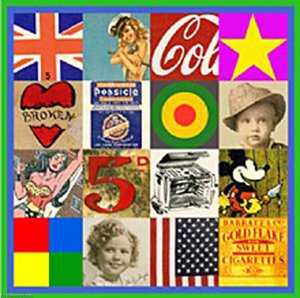
Peter Blake is arguably the most influential figure in British Pop Art, a movement that irrevocably altered the landscape of postwar art and cemented Britain’s position as a vanguard of cultural innovation. Born on June 25, 1932, in Dartford, Kent, he embarked on his artistic journey with formal training at Gravesend Technical College School of Art and subsequently pursued studies at the prestigious Royal College of Art, laying the groundwork for a career characterized by groundbreaking collage techniques and an unwavering fascination with popular culture.
Early Life & Artistic Foundations
Blake’s formative years were marked by exposure to diverse influences—from his father's involvement in theatre to his own explorations into printmaking. He honed his skills at Gravesend Technical College, focusing on mastering the craft of etching and linocut, disciplines that would prove crucial to his artistic development. The Royal College of Art provided him with a stimulating environment where he engaged with fellow artists like David Hockney and R.B. Kitaj, fostering a collaborative spirit that would shape his creative vision.
The Emergence of Pop Art & Collage Technique
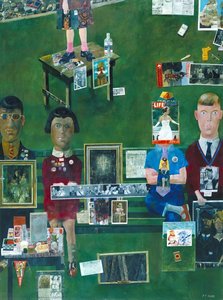
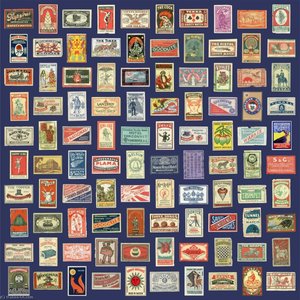
Blake’s breakthrough arrived in the late 1950s when he began experimenting with collage—a technique that deliberately juxtaposes disparate visual elements to create a unified composition. This approach, initially inspired by Honoré Sharrer’s depictions of workers holding famous paintings – “On The Balcony” (1955-57) – quickly established Blake as a pioneer of Pop Art. He skillfully blended imagery drawn from advertising, wrestling matches, and music hall entertainment, transforming mundane materials into potent symbols of cultural commentary.
Iconography & Inspiration: Sgt. Pepper & Beyond
Perhaps Blake’s most enduring legacy resides in his collaborative effort with The Beatles on *Sgt. Pepper's Lonely Hearts Club Band* (1967). This iconic album cover—a meticulously constructed set populated by cut-out photographs and objects arranged around a central drum—became synonymous with the psychedelic spirit of the era, encapsulating Blake’s masterful ability to translate musical energy into compelling visual form. Beyond *Sgt. Pepper*, he continued to explore themes of nostalgia and popular culture, creating striking covers for Band Aid's “Do They Know It’s Christmas?” (1984) and Paul Weller's *Stanley Road* (1995), demonstrating a sustained commitment to artistic innovation.
A Continuing Legacy & Recognition
Blake’s unwavering dedication to his craft—coupled with his profound engagement with British folklore and Shakespearean characters—earned him widespread acclaim. He was knighted in 2002 for his invaluable contributions to the visual arts, solidifying his position as a towering figure within contemporary art. His work remains celebrated for its originality, its evocative imagery, and its ability to capture the essence of an era, ensuring that Peter Blake’s artistic vision continues to inspire generations.