A Burst of Joyful Rebellion: Examining Keith Haring’s ‘National Coming Out Day USA’
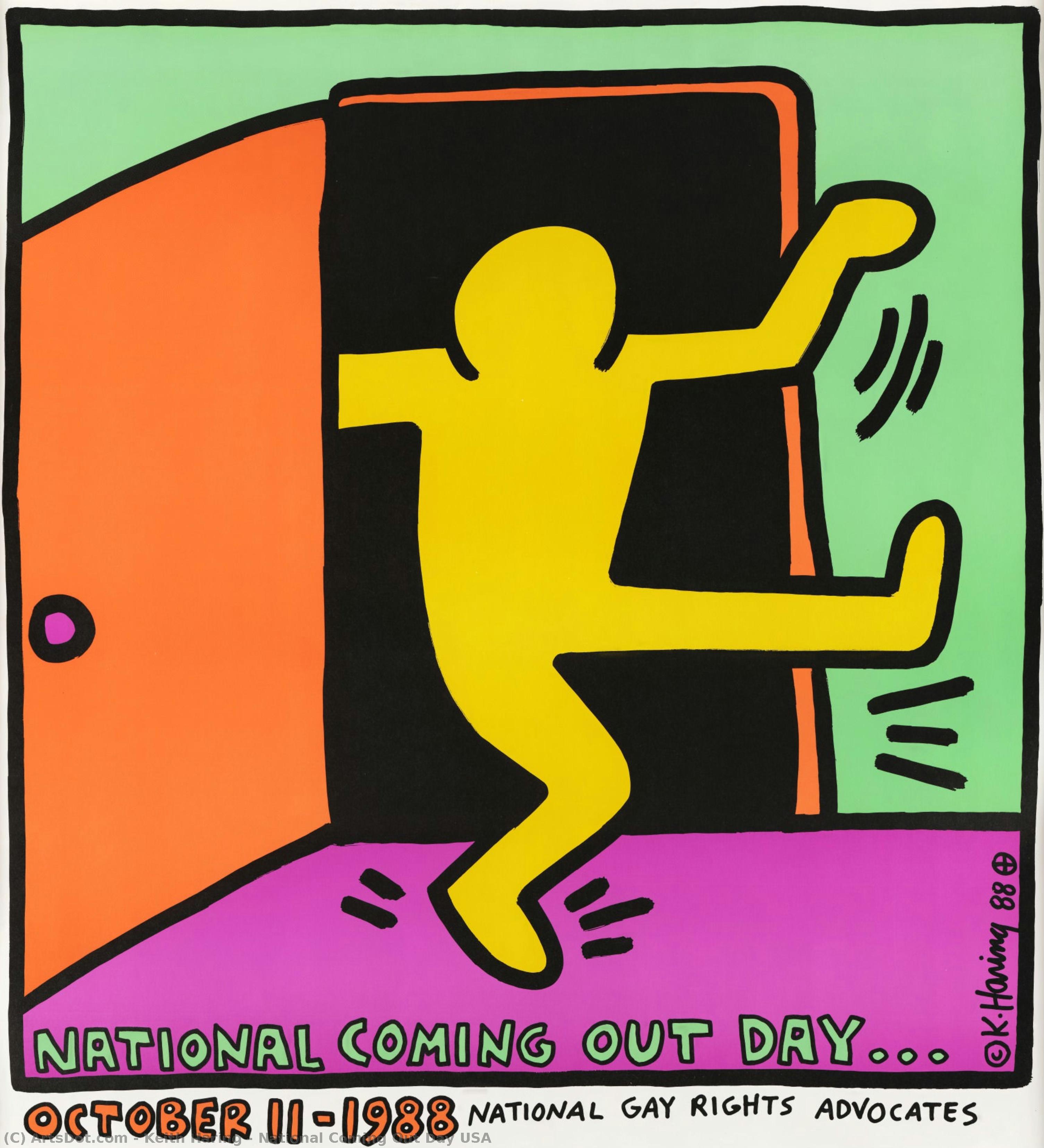
Keith Haring's 1988 painting, “National Coming Out Day USA,” is more than just a depiction of a man in yellow; it’s a raw, energetic embodiment of the burgeoning LGBTQ+ rights movement and a testament to Haring’s uniquely accessible artistic style. Created during a period of intense social and political change – the AIDS crisis was gaining momentum, and public discourse surrounding homosexuality was often fraught with prejudice – this work captures a moment of defiant joy, a visual declaration of identity against a backdrop of societal constraints.
- Subject Matter: The central figure, rendered in bold yellow, is depicted mid-leap, arms outstretched as if falling or jumping through the air. This dynamic pose immediately conveys a sense of liberation and unrestrained movement, reflecting the struggle for acceptance and visibility experienced by LGBTQ+ individuals at the time.
- Style & Technique: Haring’s signature style – characterized by large, black outlines on brightly colored backgrounds – is powerfully evident here. The simplified forms, reminiscent of cartooning and comic strips, were deliberately chosen to make his work accessible to a broad audience, particularly young people who might otherwise have been excluded from the art world. The painting utilizes a flat, graphic style, prioritizing impact over realistic representation.
Historical Context & The Rise of Street Art
1988 was a pivotal year for LGBTQ+ activism in America. National Coming Out Day, established in 1988, marked a significant step forward in raising awareness and promoting open dialogue. Haring’s work directly responded to this moment, aligning himself with the movement through his public art installations – often appearing spontaneously on sidewalks throughout New York City – which became powerful symbols of solidarity and resistance. Haring's approach was revolutionary; he transformed public spaces into galleries, democratizing access to art and engaging directly with communities marginalized by mainstream culture.
- Social Climate: The AIDS epidemic, tragically unfolding during this period, fueled the urgency of the movement. Haring’s work served as a visual reminder of the human cost of discrimination and prejudice.
- Street Art Movement: Haring is considered a pioneer of street art, utilizing public spaces as his canvas. This approach challenged traditional notions of artistic ownership and engagement, bringing art directly to the people.
Symbolism & Emotional Resonance
The vibrant yellow color itself holds significant symbolic weight – often associated with sunshine, optimism, and hope. The doorway in the background represents a threshold, a passage into visibility and acceptance. Haring’s deliberate use of simplified forms and bold lines creates an immediate emotional impact, inviting viewers to connect with the figure's vulnerability and strength. The painting isn’t simply depicting a man; it’s embodying the spirit of courage and resilience within the LGBTQ+ community.
- The Figure’s Pose: The outstretched arms suggest both vulnerability and defiance, capturing the precariousness of being “out” while simultaneously asserting one's identity.
- Color Palette: The bold color choices contribute to the painting’s energetic and optimistic tone, reflecting the hope for a more inclusive future.
Collecting & Displaying This Iconic Work
"National Coming Out Day USA" by Keith Haring is a powerful statement piece that transcends its historical context. A hand-painted reproduction offers an exceptional opportunity to bring this iconic artwork into your home or office, serving as a constant reminder of the ongoing struggle for equality and the importance of embracing diversity. Its vibrant colors and dynamic composition make it a striking addition to any interior design scheme, while its historical significance adds layers of meaning and value. BuyPopArt offers meticulously crafted reproductions that faithfully capture the essence of Haring’s original vision, ensuring that this important piece of art continues to inspire generations.