x

Hand-painted oil on canvas in your size and frame, made to order by our artists.





























Pick from our preset sizes that match the artwork's original proportions.

You may enter your own dimensions to fit a specific frame or space. If your selected size does not match the original image's proportions, we will either crop the artwork or extend the painting with additional hand-painted elements. A digital mockup will be sent for your approval before production begins.
Please note that the on-screen preview does not reflect the actual cropping or extension. Only the mockup will accurately show the final composition.
While custom sizes are available, we recommend selecting a dimension from the predefined list to preserve the original proportions.
Worldwide Delivery () in 3/4 weeks instead of standard 5 weeks. (16 July). No compromise on quality.


Bull VI
Reproduction Size
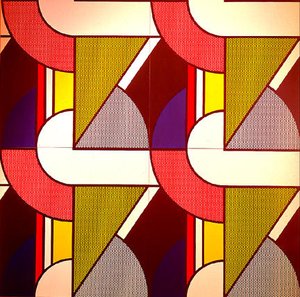
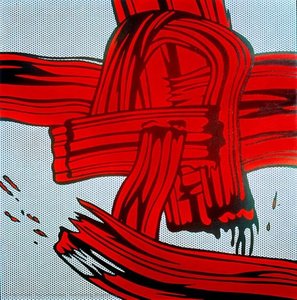
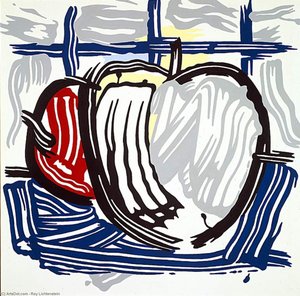
Roy Lichtenstein’s “Bull VI,” created in 1973, stands as a cornerstone of Pop Art—a movement that irrevocably challenged the conventions of fine art and embraced imagery derived from popular culture. More than just a visual spectacle, this artwork embodies Lichtenstein's meticulous exploration of formal elements and his deliberate commentary on consumerism’s pervasive influence.
The canvas is dominated by an assertive geometric arrangement—overlapping rectangles, squares, and lines that create a spatial ambiguity characteristic of Lichtenstein's style. There’s no central focal point; instead, the eye wanders across the surface following the interplay of shapes and colors. The artist skillfully employs Ben-Day dots – a printing technique popularized in comic strips – to generate texture and mimic the appearance of halftone screens. This meticulous application of dots isn’t merely decorative; it's fundamental to Lichtenstein’s aesthetic vision.
A striking color palette—primarily consisting of primary hues like red, yellow, and blue alongside black and white—immediately grabs the viewer’s attention. These bold colors clash dramatically, mirroring the energetic dynamism found in advertising and comic books. Lichtenstein's deliberate use of chromatic intensity underscores his desire to disrupt traditional artistic hierarchies and engage with the visual language of mass media.
Born in Manhattan in 1923, Roy Fox Lichtenstein emerged as a pivotal figure during the postwar era. Influenced by artists like Picasso and Matisse, he swiftly adopted Pop Art’s ethos—rejecting emotional expression for objective representation. “Bull VI,” referencing Picasso's monumental bull sculpture, subtly engages with artistic heritage while simultaneously distilling it into its purest form. The artwork can be interpreted as a critique of idealized beauty and an affirmation of the commonplace – mirroring Lichtenstein’s broader preoccupation with societal anxieties.
Despite its abstract nature, “Bull VI” exudes a palpable sense of energy and playfulness. The fragmented geometric shapes and bold colors provoke contemplation about perception and representation. Ultimately, Lichtenstein's masterpiece invites viewers to consider how art can simultaneously celebrate and interrogate the visual culture surrounding us—a legacy that continues to inspire artists and collectors alike.

1923 - 1997 , United States of America
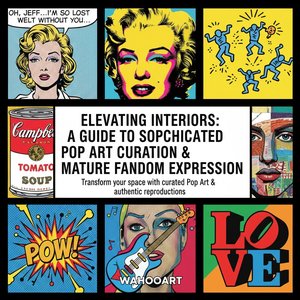
Elevate your home with sophisticated Pop Art! Discover expert curation tips, investment potential & authentic reproductions from BuyPopArt. Transform your space into a vibrant gallery.
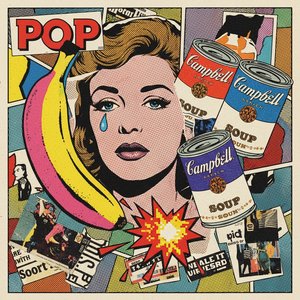
Explore the fascinating history of Pop Art, from its rebellious origins to its enduring influence on contemporary artists. Discover key figures like Warhol & Lichtenstein and learn about collecting this iconic movement.

Explore the evolution of geometric abstraction in art history, from Cubism to contemporary masters like Kandinsky & Rothko. Expert insights for discerning collectors and enthusiasts.
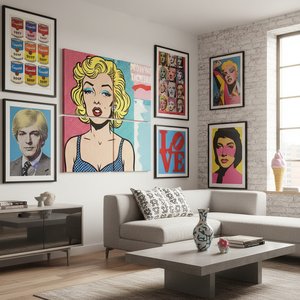
Explore 10 defining Pop Art masterpieces – from Warhol’s iconic Marilyn to Lichtenstein's bold dots. Discover the stories behind these revolutionary artworks & find museum-quality reproductions for your home at .
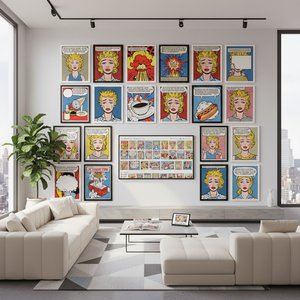
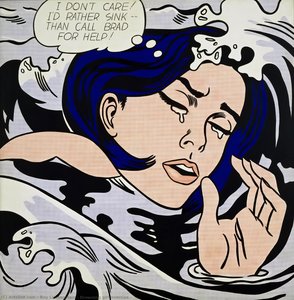
Explore Roy Lichtenstein's 25 most iconic Pop Art masterpieces! Discover the stories behind 'Drowning Girl', 'Look Mickey' & more. Find museum-quality reproductions and elevate your home decor with BuyPopArt. Explore the full collection online.


Stay updated with the latest art news, exclusive offers, and decoration ideas.
Tell us about your project and our art experts will provide you with 3 personalized art suggestions.
Let Us Curate 3 Options Just for You - Free!


 Buy print
 Send
Send Share
Share
 Details

 Download
 Similars
 X-Ray
X-Ray Diaporama

 Read More







 Glass option is only available in size under 110 CM