


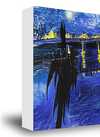
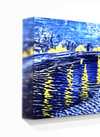
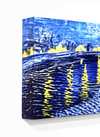
Hand-painted oil on canvas in your size and frame, made to order by our artists. ( Switch to Print Switch to Image)
Pick from our preset sizes that match the artwork's original proportions.

You may enter your own dimensions to fit a specific frame or space. If your selected size does not match the original image's proportions, we will either crop the artwork or extend the painting with additional hand-painted elements. A digital mockup will be sent for your approval before production begins.
Please note that the on-screen preview does not reflect the actual cropping or extension. Only the mockup will accurately show the final composition.
While custom sizes are available, we recommend selecting a dimension from the predefined list to preserve the original proportions.
Worldwide Delivery () in 3/4 weeks instead of standard 5 weeks. (31 July). No compromise on quality.


Tournee Du Chat Noir
Reproduction Size
Théophile Alexandre Steinlen was far more than a mere illustrator; he was the visual poet of the Belle Époque, a man whose brush and lithographic stone captured the very heartbeat of Paris. Born in 1859 in Lausanne, Switzerland, his journey from the quiet landscapes of his Swiss youth to the smoky, vibrant cabarets of Montmartre is a quintessential tale of artistic destiny. His early years were marked by a disciplined approach to design, honed during his time working in textile mills in Mulhouse. This period of practical apprenticeship instilled in him a meticulous precision and an eye for pattern that would later become a hallmark of his iconic poster work. However, the call of the avant-garde was irresistible, leading him to the bohemian epicenter of France, where he would eventually weave himself into the very fabric of Parisian culture.
Upon arriving in Paris, Steinlen found himself immersed in a whirlwind of creative energy. Influenced by the legendary artistic circles surrounding Le Chat Noir, he moved among the luminaries of the era, forging deep connections with figures such as Adolphe Willette and François Bocion. It was within this atmosphere of radical experimentation that his style began to coalesce. He possessed a unique ability to blend the delicate, flowing lines of the Art Nouveau movement with a gritty, empathetic realism. While many of his contemporaries focused solely on the ethereal or the aristocratic, Steinlen turned his gaze toward the streets, finding profound beauty in the overlooked: the street performers, the working class, and the nocturnal wanderers of the city.
Steinlen’s technical prowess was most vibrantly displayed through his mastery of printmaking and lithography. He understood, perhaps better than any artist of his generation, the power of the poster as a medium of mass communication and public emotion. His work for Aristide Bruant’s legendary cabaret productions transformed advertising into high art, using bold silhouettes and striking color palettes to command the attention of every passerby on the Parisian boulevards. These works were not merely advertisements; they were windows into a lifestyle of rebellion, romance, and rhythmic vitality.
Beyond the commercial allure of his posters, Steinlen’s oeuvre is characterized by a remarkable versatility in subject matter:
The historical significance of Théophile Steinlen lies in his ability to bridge the gap between fine art and popular culture. He elevated the ephemeral nature of street posters to the status of museum-worthy masterpieces, ensuring that the spirit of the Belle Époque would endure long after the era itself had faded. His work remains a vital touchstone for understanding the transition from the romanticism of the 19th century to the modern graphic sensibilities of the 20th century.
Even today, Steinlen’s influence can be felt in the way we perceive the intersection of design and emotion. He taught us that art does not only belong in gilded galleries but lives in the streets, in the shadows of a cabaret, and in the quiet gaze of a stray cat. Through his prolific output, he left behind a visual legacy that continues to enchant, reminding us of a time when Paris was the undisputed center of the artistic universe, and where every line drawn could tell a story of human connection and urban magic.

1859 - 1923 , Switzerland

Explore the captivating world of Raphael Kirchner, a master of Art Nouveau illustration during the Belle Époque. Discover his iconic 'Kirchner Girls,' pioneering pin-up art & lasting influence.

Journey into Art Nouveau's golden age! Explore 10 masterpieces by Klimt, Mucha & more. Discover captivating stories behind iconic paintings, floral motifs & flowing lines. Find museum-quality art reproductions for your home at .

Explore the captivating world of Art Nouveau! Discover its origins, key artists like Horta & Mucha, regional styles, innovative techniques, and lasting influence on architecture & design. A comprehensive guide for art enthusiasts.

Explore the life & art of Alphonse Mucha, master of Art Nouveau! Discover his iconic posters, stunning illustrations, and the monumental Slav Epic. A comprehensive guide for collectors & enthusiasts.

Explore the fascinating world of hand-painted fan art! Discover its rise as a collectible art form, market trends, artist collaborations & investment potential. Expert insights for discerning collectors.


Stay updated with the latest art news, exclusive offers, and decoration ideas.
Tell us about your project and our art experts will provide you with 3 personalized art suggestions.
Let Us Curate 3 Options Just for You - Free!


 Preview
 Send
Send Share
Share
 Details

 Download
 Similars
 X-Ray
X-Ray Diaporama
 Read More
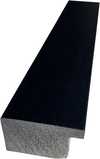
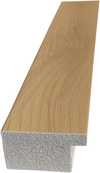
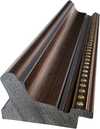
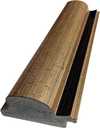
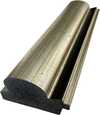
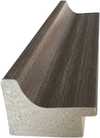
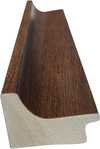
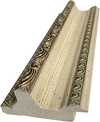
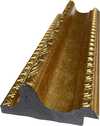
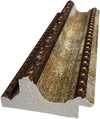
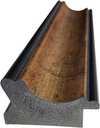
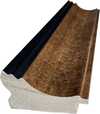
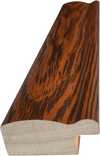
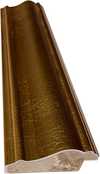
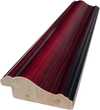
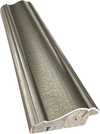
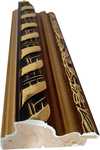
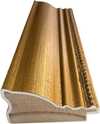
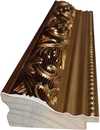
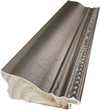
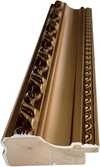
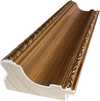
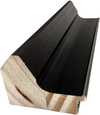
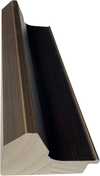
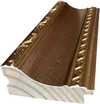
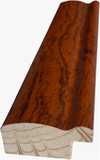
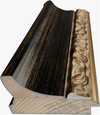
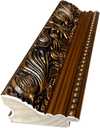
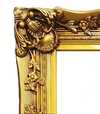
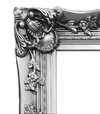
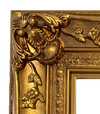
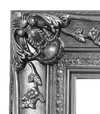
 Glass option is only available in size under 110 CM


