

 Oil On CanvasWallArtAcademic Realism
 130.0 x 110.0 cm
 Jesus College
Hand-painted oil on canvas in your size and frame, made to order by our artists. ( Buy Print Buy Image)





























Pick from our preset sizes that match the artwork's original proportions.

You may enter your own dimensions to fit a specific frame or space. If your selected size does not match the original image's proportions, we will either crop the artwork or extend the painting with additional hand-painted elements. A digital mockup will be sent for your approval before production begins.
Please note that the on-screen preview does not reflect the actual cropping or extension. Only the mockup will accurately show the final composition.
While custom sizes are available, we recommend selecting a dimension from the predefined list to preserve the original proportions.
Worldwide Delivery () in 3/4 weeks instead of standard 5 weeks. (12 August). No compromise on quality.


John Nash (1752–1835)
Reproduction Size
Sir Thomas Lawrence's portrait of John Nash (1752–1835) is more than simply a likeness; it’s a carefully constructed tableau of wealth, status, and the quiet authority of a man deeply embedded within the fabric of Georgian and Regency England. Painted in 1806, this oil-on-canvas masterpiece offers a glimpse into the life of a pivotal architect whose designs fundamentally reshaped London – from the grand avenues of Regent Street to the opulent interiors of Buckingham Palace. Lawrence, already established as the Royal Academy’s president and a leading portraitist, expertly captures Nash's dignified presence, imbuing the scene with an atmosphere of understated power and intellectual depth.
The composition immediately draws the eye to Nash himself, seated in a richly appointed room that speaks volumes about his position. The dark, panelled walls, adorned with books and decorative objects, suggest both erudition and considerable means. A glimpse of a bookcase hints at a cultivated mind, while the draped fabrics – crimson velvet and heavy brocade – contribute to an overall sense of luxurious comfort and established social standing. Lawrence’s masterful use of light is crucial; it originates from an unseen source above and slightly to the left, casting dramatic shadows that sculpt Nash's face and clothing, emphasizing his features with a subtle intensity. This chiaroscuro technique not only adds depth but also lends the portrait a theatrical quality, as if capturing a moment frozen in time.
Beyond the figure of Nash lies a carefully orchestrated setting that reveals much about his profession and personal taste. The room is not merely a backdrop; it's an integral part of the portrait, acting as a visual shorthand for Nash’s accomplishments and intellectual pursuits. The arrangement of furniture – a comfortable armchair, a small table bearing writing implements, and a strategically placed globe – suggests a space dedicated to both contemplation and practical work. The inclusion of architectural drawings on the wall hints at Nash's creative process, showcasing his meticulous attention to detail and his deep understanding of design principles. Note particularly the subtle details: the placement of the books, the arrangement of the objects, all contribute to a carefully constructed image of an accomplished architect.
Lawrence’s skill in rendering texture is equally impressive. The rich velvet upholstery appears almost tactile, while the fur coat – a symbol of wealth and status during this period – is depicted with remarkable realism, capturing its voluminous folds and luxurious sheen. The subtle variations in brushstroke create a sense of depth and movement, bringing the portrait to life. The artist’s ability to convey both the weight of the fabrics and the smoothness of the polished wood demonstrates his mastery of oil painting techniques.
More than just a likeness, the portrait is laden with symbolic meaning. Nash's posture – seated upright, hands resting calmly on his lap – conveys an air of self-assurance and control. His gaze, directed slightly off-center, suggests both intelligence and a certain reserve. The room itself reinforces this impression; it’s not a lavishly ostentatious display of wealth, but rather a refined and dignified space that reflects Nash's measured approach to success. The inclusion of the architectural drawings subtly elevates his status, suggesting a mind engaged in shaping the very landscape of London.
Furthermore, the portrait speaks to the broader context of Georgian society, where portraits were essential tools for establishing social standing and demonstrating lineage. Lawrence’s depiction of Nash aligns perfectly with this tradition, presenting him as a man of considerable influence and intellectual merit. The painting serves not only as a record of Nash's appearance but also as a carefully crafted statement about his position within the social hierarchy.
John Nash’s legacy extends far beyond this single portrait, which offers a compelling glimpse into the man behind the architectural marvels that define London. His designs transformed the city's skyline, creating iconic landmarks such as Buckingham Palace, Regent Street, and Regent’s Park. Studying this portrait allows us to appreciate not only Lawrence’s artistic skill but also Nash’s vision – a vision that shaped one of the world’s most dynamic and enduring cities. The painting stands as a testament to the power of art to capture both individual character and the broader historical context in which it was created, offering a timeless portrait of a man who left an indelible mark on England.

1769 - 1830 , United Kingdom
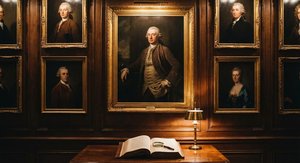
Explore 25 captivating portraits by Sir Joshua Reynolds, a master of British art. Discover stories behind his iconic paintings, elegant style & historical influence. Find museum-quality reproductions and elevate your home decor on BuyPopArt.com.
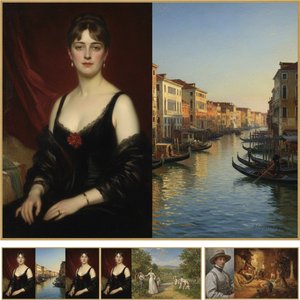
Explore 25 iconic John Singer Sargent paintings – from dazzling portraits to Impressionist landscapes. Discover the stories behind Madame X, El Jaleo & more! Find museum-quality art reproductions and elevate your home decor with BuyPopArt.com.
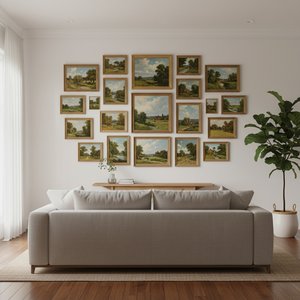
Journey through John Constable's 25 most celebrated landscapes. Explore Romanticism, Dedham Vale & his masterful use of light in iconic paintings like 'Hay Wain'. Find museum-quality art reproductions and elevate your home decor on BuyPopArt.com.

Explore 25 iconic Sir Alfred Munnings paintings! Discover the beauty of British Impressionism, equine art & rural England. Find museum-quality reproductions and elevate your home decor with BuyPopArt. Explore the full collection online.

Explore the captivating world of Sir Thomas Lawrence, Regency England's premier portraitist. Discover his artistic techniques, powerful representations of society, and enduring legacy. Expert insights for discerning art collectors.


Stay updated with the latest art news, exclusive offers, and decoration ideas.
Tell us about your project and our art experts will provide you with 3 personalized art suggestions.
Let Us Curate 3 Options Just for You - Free!


 Preview
 Send
Send Share
Share
 Details

 Download
 Similars
 X-Ray
X-Ray Diaporama
 Read More







 Glass option is only available in size under 110 CM


