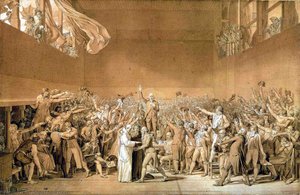
Acrylic On CanvasWallArtNeoclassical Sentimentality
 1782
1782 290.0 x 246.0 cm
 Musée du Petit Palais
Hand-painted oil on canvas in your size and frame, made to order by our artists. ( Switch to Print Switch to Image)





























Pick from our preset sizes that match the artwork's original proportions.

You may enter your own dimensions to fit a specific frame or space. If your selected size does not match the original image's proportions, we will either crop the artwork or extend the painting with additional hand-painted elements. A digital mockup will be sent for your approval before production begins.
Please note that the on-screen preview does not reflect the actual cropping or extension. Only the mockup will accurately show the final composition.
While custom sizes are available, we recommend selecting a dimension from the predefined list to preserve the original proportions.
Worldwide Delivery () in 3/4 weeks instead of standard 5 weeks. (10 August). No compromise on quality.


The Grief of Andromache
Reproduction Size
Jacques-Louis David's "The Grief of Andromache," completed in 1782, is not merely a painting; it’s a distilled essence of human suffering, rendered with the precision and emotional intensity that would come to define his career. This intimate scene, depicting the lamenting figure of Andromache – wife of Hector in Virgil's *Aeneid* – immediately draws the viewer into a world steeped in melancholy and quiet despair. The painting’s power lies not in grand gestures or dramatic action, but rather in its masterful depiction of understated sorrow, a hallmark of David’s evolving Neoclassical style.
The composition is remarkably restrained. Andromache sits on a simple chair, her posture conveying a profound sense of weariness and loss. Her child, nestled close to her side, mirrors her grief with an almost palpable vulnerability. The figures are bathed in soft, diffused light, characteristic of David’s deliberate use of chiaroscuro – the dramatic contrast between light and shadow – which heightens the emotional impact without resorting to overt theatricality. Notice how the shadows cling to Andromache's face, emphasizing her sorrow while simultaneously suggesting a timeless quality to her grief; it is not merely the loss of Hector, but the enduring weight of fate itself.
David’s artistic journey had been shaped by his early training under François Boucher, whose Rococo style prioritized elaborate ornamentation and frivolous subject matter. However, David quickly gravitated towards the principles espoused by Joseph-Marie Vien, a key figure in establishing Neoclassicism. This shift is powerfully evident in “The Grief of Andromache.” Unlike the swirling colors and dynamic compositions of the Rococo, David embraces a controlled palette – predominantly muted browns, grays, and creams – and a rigorously structured composition. The room itself, with its bed and dining table, feels deliberately sparse, focusing all attention on the central figures and their shared sorrow. This deliberate simplicity is not an absence of detail; rather, it’s a strategic choice to amplify the emotional core of the scene.
The artist's technique is equally significant. David meticulously rendered each fold of Andromache’s veil, each strand of her hair, and the delicate features of her child. This attention to anatomical accuracy and realistic detail was crucial to the Neoclassical movement’s emphasis on virtue, reason, and classical ideals. Yet, within this realism lies a profound understanding of human emotion. David doesn't simply depict grief; he *conveys* it – through the slumped shoulders, the averted gaze, and the palpable sense of hopelessness radiating from Andromache.
“The Grief of Andromache” is deeply rooted in classical mythology but resonates with contemporary anxieties surrounding the impending French Revolution. The story of Hector’s death – a heroic sacrifice for his city – served as a potent metaphor for the potential cost of political upheaval. Andromache's sorrow, therefore, can be interpreted as a lament not just for a lost husband, but also for the loss of order and stability. The painting reflects a broader societal mood of disillusionment with the excesses of the Ancien Régime.
The inclusion of the child is particularly poignant. It represents the future stolen by war and loss, adding another layer of tragedy to the scene. Furthermore, the simple setting – a private domestic space – underscores the intimate nature of grief and its devastating impact on family life. The painting’s quiet dignity speaks volumes about the enduring strength of the human spirit in the face of unimaginable sorrow.
BuyPopArt offers meticulously crafted, hand-painted reproductions of Jacques-Louis David's “The Grief of Andromache,” allowing you to bring this powerful and evocative artwork into your home or office. Our skilled artisans faithfully recreate David’s nuanced technique and masterful use of light and shadow, ensuring that the emotional depth and historical significance of the original are preserved with stunning accuracy. Available in a range of sizes – from 290 x 246 cm to smaller formats – our reproductions provide an exceptional opportunity to own a piece of art history. Consider how this poignant image might complement your interior design, adding a touch of contemplative beauty and historical resonance to any space. Explore our collection today and experience the enduring power of David’s masterpiece.**
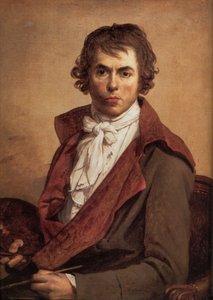
1748 - 1800 , France

Explore the life & art of Jacques-Louis David, leading Neoclassical painter of the French Revolution. Discover iconic works like 'The Death of Marat' and his lasting impact on art history. Expert analysis & high-quality reproductions at BuyPopArt.

Explore the captivating world of Neoclassical portraiture! Discover the power & ideals behind masterpieces by David, Girodet & more. Expert analysis, custom reproductions & art appraisal at BuyPopArt.

Explore the captivating world of Anne-Louis Girodet, a pivotal figure bridging Neoclassicism & Romanticism. Discover his masterpieces and unique artistic vision with BuyPopArt.

Explore the profound tension between Neoclassicism's rational order and Romanticism's emotional depth. An expert journey through the masters of art history, from David to Delacroix, perfect for collectors and enthusiasts seeking a deeper understanding of artistic evolution.

Explore 10 defining Neoclassical masterpieces by David, Ingres & Canova. Discover the history, symbolism & artistry behind these iconic paintings and sculptures. Find museum-quality art reproductions at – elevate your home with timeless beauty.


Stay updated with the latest art news, exclusive offers, and decoration ideas.
Tell us about your project and our art experts will provide you with 3 personalized art suggestions.
Let Us Curate 3 Options Just for You - Free!


 Preview
 Send
Send Share
Share
 Details

 Download
 Similars
 X-Ray
X-Ray Diaporama
 Read More







 Glass option is only available in size under 110 CM