Oil On PanelNorthern Renaissance
 1565Renaissance
 37.0 x 55.0 cm
Hand-painted oil on canvas in your size and frame, made to order by our artists. ( Switch to Print Switch to Image)





























Pick from our preset sizes that match the artwork's original proportions.

You may enter your own dimensions to fit a specific frame or space. If your selected size does not match the original image's proportions, we will either crop the artwork or extend the painting with additional hand-painted elements. A digital mockup will be sent for your approval before production begins.
Please note that the on-screen preview does not reflect the actual cropping or extension. Only the mockup will accurately show the final composition.
While custom sizes are available, we recommend selecting a dimension from the predefined list to preserve the original proportions.
Worldwide Delivery () in 3/4 weeks instead of standard 5 weeks. (5 August). No compromise on quality.


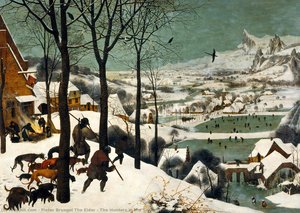
Winter Landscape with Skaters and Bird Trap
Reproduction Size
Pieter Bruegel the Elder’s 1565 oil on panel painting, “Winter Landscape with Skaters and Bird Trap,” currently residing in the Musee Royaux des Beaux-Arts de Belgique, is more than just a depiction of winter; it's a poignant observation of human activity set against the backdrop of nature's stark beauty. This work exemplifies Bruegel’s mastery of capturing everyday life within a symbolic framework, making it a cornerstone of Netherlandish landscape art.
The painting unfolds as a panoramic view of a frozen river winding through a snow-covered village. A lively scene of skaters dominates the foreground, their figures animated in various poses – some gliding effortlessly, others struggling to maintain balance. The backdrop features red-roofed houses clustered together, punctuated by the imposing silhouette of a church, all partially obscured by falling snow. The sky is rendered in soft hues of white, beige, and blue, contributing to the overall serene yet slightly melancholic atmosphere. A key element within the composition is the bird trap situated on the lower right side. This seemingly simple object becomes a focal point for symbolic interpretation.
Bruegel was renowned for embedding layers of meaning into his works, and "Winter Landscape with Skaters and Bird Trap" is no exception. The carefree skaters on the fragile ice represent the fleeting nature of life and pleasure, a common theme in Renaissance art reflecting anxieties about mortality. The bird trap, conversely, symbolizes vulnerability and impending danger – the birds’ innocence contrasted against the threat of capture. This juxtaposition creates a powerful tension within the scene, prompting viewers to contemplate the precariousness of human existence. The winter landscape itself can be interpreted as representing hardship and resilience, while the village signifies community and shared experience in the face of adversity.
“Winter Landscape with Skaters and Bird Trap” holds a significant place within art history. It is one of the most celebrated compositions in the Netherlandish landscape tradition, demonstrating Bruegel’s innovative approach to depicting everyday life with symbolic depth. Notably, this composition exists in over 120 versions, each offering subtle variations in detail – from the arrangement of the bird trap to the inclusion of activities like curling. This proliferation of copies underscores the painting's immense popularity and influence on subsequent generations of artists. The theme of winter landscapes, particularly those featuring skaters, became a genre unto itself, inspiring artists such as Hendrick Avercamp to build their careers around this subject matter. The engraving “Lubricitas Vitae Humanae” (Insécurity or lubricity of human existence) by Pieter Bruegel the Elder further reinforces the theme of life's fragility often associated with winter scenes.
Painted in 1565, “Winter Landscape with Skaters and Bird Trap” reflects the artistic trends of the Northern Renaissance. Bruegel employed oil paint on panel, utilizing layering and glazing techniques to achieve a remarkable depth and luminosity. The flattened perspective, characteristic of Dutch landscape painting, emphasizes the breadth of the scene while maintaining a sense of realism. Bruegel’s meticulous attention to detail – from the individual figures skating to the texture of the snow – showcases his exceptional skill as an observer and painter. The work provides valuable insight into 16th-century Flemish society, offering a glimpse into their leisure activities, religious beliefs, and relationship with the natural world.
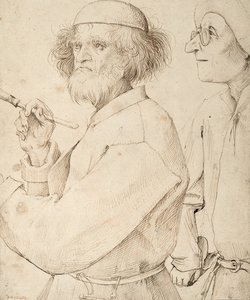
1525 - 1569 , Belgium
Journey through 10 breathtaking landscape paintings by Monet, Van Gogh & more! Explore iconic artworks, artistic techniques & find inspiration for your home decor. Museum-quality reproductions at BuyPopArt.com. Discover all masterpieces on BuyPopArt.com

Explore the life & art of Pieter Bruegel the Elder, a pivotal figure of the Renaissance. Discover his groundbreaking genre scenes, symbolic landscapes, and lasting influence on art history. Learn more at BuyPopArt.

Journey through 10 Romantic landscape masterpieces by Friedrich, Turner & Cole. Explore emotional art, sublime nature scenes & iconic 19th-century paintings. Find museum-quality reproductions for your home at BuyPopArt.com – discover the full collection online!
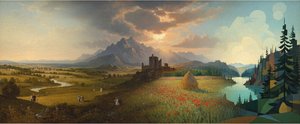
Explore the rich history of landscape art with BuyPopArt. Discover renowned artists, movements like Impressionism & Romanticism, and expert guidance for collecting timeless pieces. Find your perfect serene escape today!
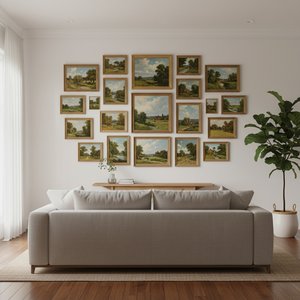
Journey through John Constable's 25 most celebrated landscapes. Explore Romanticism, Dedham Vale & his masterful use of light in iconic paintings like 'Hay Wain'. Find museum-quality art reproductions and elevate your home decor on BuyPopArt.com.


Stay updated with the latest art news, exclusive offers, and decoration ideas.
Tell us about your project and our art experts will provide you with 3 personalized art suggestions.
Let Us Curate 3 Options Just for You - Free!


 Send
Send Share
Share
 Details

 Download
 Similars
 Diaporama
 Read More







 Glass option is only available in size under 110 CM