Oil On CanvasWallArtRealism
 186519th Century
 94.0 x 135.0 cm
 Musée d'Orsay
Hand-painted oil on canvas in your size and frame, made to order by our artists. ( Buy Print Buy Image)





























Pick from our preset sizes that match the artwork's original proportions.

You may enter your own dimensions to fit a specific frame or space. If your selected size does not match the original image's proportions, we will either crop the artwork or extend the painting with additional hand-painted elements. A digital mockup will be sent for your approval before production begins.
Please note that the on-screen preview does not reflect the actual cropping or extension. Only the mockup will accurately show the final composition.
While custom sizes are available, we recommend selecting a dimension from the predefined list to preserve the original proportions.
Worldwide Delivery () in 3/4 weeks instead of standard 5 weeks. (12 August). No compromise on quality.


The Shaded Stream (or The Puits Noir Stream)
Reproduction Size
Gustave Courbet's "The Shaded Stream," or as it is also known, “Le Puits Noir,” isn’t merely a depiction of a forest scene; it’s an invitation. An invitation to step into the heart of a tranquil wilderness, to feel the dappled sunlight on your skin and hear the murmur of water over smooth stones. Completed in 1865 and currently residing within the esteemed Musée d'Orsay in Paris, this oil-on-canvas painting is a cornerstone of the Realist movement, offering a profound meditation on nature’s serenity and Courbet’s masterful ability to capture its essence.
Courbet, a figure both celebrated and controversial during his time, deliberately rejected the romanticized ideals prevalent in much of 19th-century art. Instead, he sought to portray the world as he truly saw it – unvarnished, honest, and deeply rooted in everyday experience. “The Shaded Stream” embodies this philosophy perfectly. The painting’s earthy palette—a symphony of browns, greens, and greys—creates a sense of depth and intimacy, drawing the viewer into the cool, shaded depths of the forest. Notice how Courbet doesn't shy away from depicting the rough texture of the rocks lining the stream, or the subtle variations in tone that mimic the play of light and shadow through the trees. This meticulous attention to detail speaks volumes about his commitment to realism.
Within the context of the Realist movement, “The Shaded Stream” represents a radical departure from traditional landscape painting. Rather than idealizing nature or using it as a backdrop for grand narratives, Courbet focuses on its intrinsic beauty and the simple pleasures of observation. He’s not attempting to create an idyllic escape; instead, he presents a scene that feels utterly authentic—a moment captured in time, imbued with a quiet sense of peace. The stream itself flows calmly, almost deliberately, suggesting a timelessness and continuity. The trees, rendered with careful attention to their individual forms and the way they interact with the light, seem to stand as silent witnesses to this serene encounter.
Courbet’s choice of subject matter—a seemingly unremarkable stream in a forest—was itself a deliberate act of rebellion. By elevating the commonplace to the level of art, he challenged the established hierarchy of artistic subjects and asserted the importance of everyday life. The painting invites us to consider the beauty that can be found in the simplest of things – a quiet stream, dappled sunlight, and the enduring presence of nature.
Beyond its technical brilliance, “The Shaded Stream” resonates with a powerful emotional depth. The painting’s atmosphere is one of profound tranquility—a refuge from the noise and anxieties of modern life. There's an almost meditative quality to the scene, inviting contemplation and introspection. Some art historians have interpreted the "Puits Noir" (Black Well) as representing a hidden sanctuary, a place of solitude and connection with nature – a concept deeply resonant in the Romantic era but powerfully expressed by Courbet through his grounded realism.
The composition itself contributes to this sense of serenity. The stream’s gentle flow creates a visual rhythm that is both calming and hypnotic. The rocks along its edge provide a tactile element, grounding the scene and inviting us to imagine ourselves immersed in this natural world. “The Shaded Stream” isn't just a painting; it’s an experience—a journey into a realm of beauty, peace, and profound connection with nature.
To explore more of Courbet’s work and high-quality reproductions, including "The Shaded Stream," visit BuyPopArt.com. You can also delve deeper into the artist's life and legacy on BuyPopArt at Gustave Courbet: The Shaded Stream (also known as The Stream of the Puits Noire) and Gustave Courbet: The Shaded Stream (or The Puits Noir Stream).
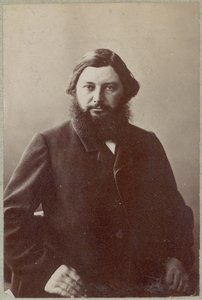
1819 - 1877 , France

Explore 10 defining masterpieces of Romantic Realism! Discover Courbet, Millet & Daumier's powerful paintings—capturing emotion and social realities. Find museum-quality reproductions for your home at BuyPopArt.com.

Explore the revolutionary art of Gustave Courbet, pioneer of Realism. Discover his iconic paintings, social commentary, and lasting impact on 19th-century French art history. Expert analysis & insights.

Explore 10 defining Realism masterpieces – Courbet, Millet & more. Discover the stories behind these iconic paintings and their impact on art history. Find museum-quality reproductions for your home at !

Explore the rich history & enduring techniques of oil painting with BuyPopArt. Discover masterpieces, learn about art collecting, and find authentic handmade reproductions crafted by skilled artists.

Explore the rich history & techniques of oil painting – from Renaissance masters to Impressionism. Discover pigments, layering methods, and why this timeless medium endures. Expert insights for artists & art enthusiasts.


Stay updated with the latest art news, exclusive offers, and decoration ideas.
Tell us about your project and our art experts will provide you with 3 personalized art suggestions.
Let Us Curate 3 Options Just for You - Free!


 Preview
 Send
Send Share
Share
 Details

 Download
 Similars
 X-Ray
X-Ray Diaporama
 Read More







 Glass option is only available in size under 110 CM