


The Dawn of Color Theory: From Aristotle to Goethe
 Wikipedia: Color psychology
Color psychology is the study of colors and hues as a determinant of human behavior. Color influences perceptions that are not obvious, such as the taste of food. Colors have qualities that may cause certain emotions in people. How color influences i...
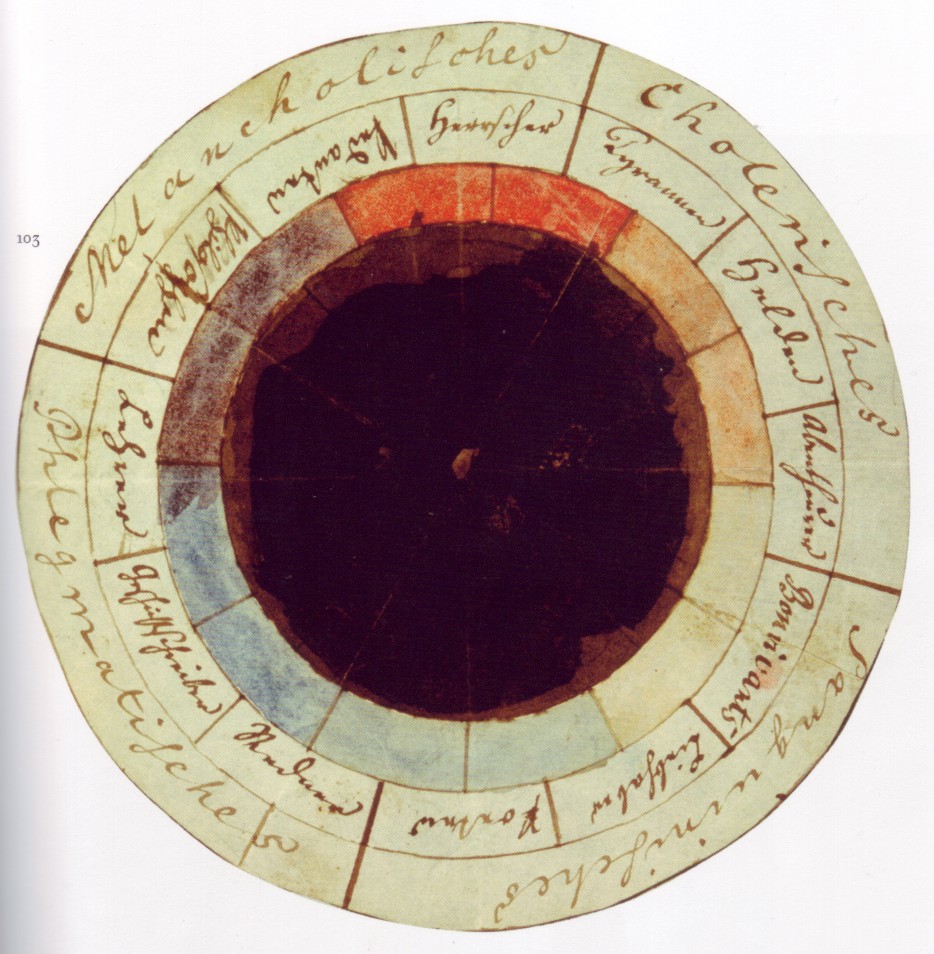
For centuries, humankind has been captivated by color—not merely as a visual phenomenon, but as a force imbued with meaning and power. The earliest explorations into this realm weren’t born from artistic practice alone, but from philosophical inquiry. Aristotle, in his treatise on optics, posited that colors existed on a spectrum between darkness and light, laying the groundwork for understanding color as a graduated property rather than discrete entities. This foundational idea resonated through the ages, yet it was Johann Wolfgang von Goethe who truly ignited a passionate debate with his 1810 *Theory of Colors*. Goethe moved beyond purely physical explanations, asserting that color perception was deeply subjective—a product of human physiology and emotional response. He famously linked colors to specific feelings: yellow evoking warmth and cheerfulness, blue inspiring melancholy and distance. While often dismissed by the scientific community for its reliance on observation rather than empirical data, Goethe’s work proved pivotal in shifting the focus from *what* color is to *how* we experience it, a crucial step towards understanding its psychological impact.
Impressionism's Embrace of Light & Transient Color
Impressionism was a 19th-century art movement characterized by visible brush strokes, open composition, emphasis on accurate depiction of light in its changing qualities (often accentuating the effects of the passage of time), ordinary subject matter...
The 19th century witnessed a revolution in artistic perception with the rise of Impressionism. Artists like Claude Monet, Edgar Degas, and Pierre-Auguste Renoir abandoned the meticulous detail favored by their predecessors, instead striving to capture the fleeting effects of light and atmosphere. This pursuit led them to an unprecedented focus on color—not as a means of representing objects accurately, but as an end in itself. Monet’s *Impression, soleil levant*, from which the movement derived its name, is a testament to this shift. The painting isn't about a precise depiction of Le Havre harbor; it’s about the shimmering interplay of light on water, rendered through broken brushstrokes and juxtaposed hues. Impressionists understood that color wasn’t fixed but constantly changing, influenced by time of day, weather conditions, and the observer’s perspective. They employed complementary colors—blues opposite oranges, reds against greens—to heighten vibrancy and create a sense of visual dynamism. This radical approach challenged academic conventions and paved the way for new explorations into the expressive potential of color.
Expressionism: Unleashing Emotion Through Bold Hues
If Impressionism sought to capture external reality, Expressionism turned inward, using color as a vehicle for conveying intense emotional states. Artists like Edvard Munch, Ernst Ludwig Kirchner, and Wassily Kandinsky rejected naturalistic representation in favor of distorted forms and jarring color palettes. Munch’s *The Scream*, perhaps the most iconic image of existential angst, exemplifies this approach. The swirling reds and oranges of the sky aren't meant to depict a sunset; they embody the protagonist’s overwhelming terror and alienation. Expressionists deliberately employed non-naturalistic colors—often harsh and discordant—to shock and unsettle viewers, forcing them to confront uncomfortable truths about the human condition. Kirchner’s street scenes similarly utilized clashing colors and angular forms to convey the anxieties of modern urban life. The goal wasn't beauty or accuracy but raw emotional honesty.
Kandinsky and the Spiritual Language of Color
 Colorful life
Wassily Kandinsky
Wassily Kandinsky, a pivotal figure in the development of abstract art, took the exploration of color to its most radical conclusion. Influenced by Goethe’s theories and his own synesthetic experiences—the association of colors with sounds—Kandinsky believed that color possessed a spiritual dimension. He theorized that each color evoked specific emotions and resonated with particular psychological states. In his seminal work *Concerning the Spiritual in Art*, he outlined a complex system linking colors to musical notes, geometric shapes, and abstract concepts. His paintings, such as *Colorful Life*, are not representations of anything tangible but compositions of pure color and form intended to evoke emotional responses directly. Kandinsky sought to create a universal language of art—one that transcended the limitations of representation and spoke directly to the soul. He believed that by understanding the inherent properties of color, artists could unlock deeper levels of consciousness and communicate profound spiritual truths.
Cultural Chromatics: How Meaning Varies Across Borders
 The Chromatic Spectrum of Feeling: Exploring Color & Emotion in Art History
Explore the fascinating relationship between color and emotion in art history. Discover how master artists used color to evoke feelings & cultural meanings, plus the psychology behind it all.
While Kandinsky sought a universal language, it’s crucial to acknowledge that the perception and interpretation of color are deeply rooted in cultural context. What might evoke joy in one culture could signify mourning or danger in another. In Western traditions, white often symbolizes purity and innocence, while black is associated with death and solemnity. However, in many Eastern cultures, white is traditionally worn at funerals as a sign of grief, and red represents good luck and prosperity. These differences aren’t arbitrary; they stem from historical associations, religious beliefs, and societal norms. For example, the vibrant colors used in traditional Indian weddings—reds, oranges, and yellows—are believed to ward off evil spirits and attract auspicious energy. Similarly, the use of specific color combinations in Native American art often holds deep symbolic meaning related to nature, spirituality, and tribal identity. Artists must be mindful of these cultural nuances when employing color, particularly when creating works intended for a global audience.
The Enduring Legacy: Color Psychology in Contemporary Art
Today, the legacy of color theory continues to resonate throughout contemporary art. Artists are increasingly aware of the psychological impact of color and utilize it strategically to engage viewers on multiple levels. From the large-scale installations of James Turrell—which explore the perceptual effects of light and color—to the emotionally charged paintings of Gerhard Richter, color remains a powerful tool for conveying meaning and evoking feeling. The field of neuroscience has also contributed to our understanding of color perception, revealing how different hues activate specific areas of the brain and influence mood and behavior. As we continue to unravel the mysteries of the human mind, the exploration of color will undoubtedly remain at the forefront of artistic innovation. At BuyPopArt.com, we celebrate this rich history by offering high-quality reproductions of masterpieces that showcase the transformative power of color—allowing you to bring these vibrant works into your own home and experience their emotional resonance firsthand.





