

The Allure of Pop: Why Modern Art Elevates Luxury Villas
Pop art is an art movement that emerged in the United Kingdom and the United States during the mid- to late 1950s. The movement presented a challenge to traditions of fine art by including imagery from popular and mass culture, such as advertising, c...
The pursuit of beauty within the walls of a luxury villa is rarely about ostentation; it’s about cultivating an atmosphere—a carefully constructed dialogue between space, light, and personal expression. Increasingly, discerning homeowners are turning to modern art, and particularly the bold, irreverent energy of Pop Art, not merely as decoration but as a defining element of their aesthetic identity. This isn't simply about acquiring iconic images; it’s about understanding the cultural currents that birthed them, the subtle rebellions they represent, and the enduring power of visual language to transform a house into a home—a sanctuary imbued with meaning.
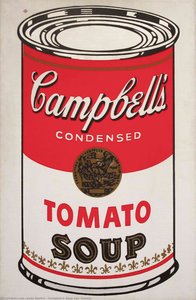
Pop Art emerged in the mid-20th century as a defiant response to the perceived elitism of Abstract Expressionism. Artists like Eduardo Paolozzi, challenging established norms, began incorporating imagery from the everyday – advertising billboards, comic book panels, mass-produced consumer goods – into their work. This wasn’t an embrace of kitsch for its own sake; it was a deliberate provocation, a questioning of what constituted ‘high art’ and who determined its value. In America, figures like Andy Warhol, Roy Lichtenstein, and James Rosenquist took this ethos further, elevating the mundane to the monumental. The silkscreened Campbell's Soup cans weren’t just depictions of grocery items; they were commentaries on consumer culture, repetition, and the blurring lines between art and commerce. To truly integrate Pop Art into a luxury setting requires acknowledging this historical context—understanding that these works aren’t simply visually striking, but intellectually charged statements.
The enduring appeal of Pop Art lies in its accessibility. Unlike some abstract movements demanding specialized knowledge for interpretation, the imagery is often immediately recognizable and relatable. This doesn't diminish its artistic merit; rather, it broadens its reach, allowing a wider audience to connect with its themes. However, successful integration demands discernment. A poorly chosen reproduction can feel jarring or superficial. Prioritizing quality—opting for hand-painted versions that capture the texture and depth of the originals—is paramount. The subtle variations in brushstroke, the vibrancy of color achieved through skilled layering, these are details lost in mass-produced prints.
Curating a Vibrant Narrative: Building a Cohesive Pop Art Collection
 The Eloquence of Visual Declarations: Exploring Artworks as Statements of Identity, Culture & Historical Context
Explore the profound stories behind masterpieces. Discover how art reflects history, culture & identity. Expert analysis, collecting guides & bespoke reproductions at BuyPopArt.
A truly impactful Pop Art collection isn’t assembled; it's curated—a deliberate orchestration of images and ideas that reflects your personal aesthetic. It begins with establishing a cohesive narrative, a visual thread that ties disparate pieces together. Consider the color palette as your foundation. While Pop Art is celebrated for its boldness, limiting the range can prevent overwhelming a space. Explore complementary schemes – perhaps pairing vibrant reds and yellows with muted grays – or analogous palettes that echo existing décor. Scale plays a critical role; a large-scale Lichtenstein piece can command attention in a grand living room, while smaller Warhol prints work beautifully grouped together to create a dynamic gallery wall.
Don’t shy away from mixing mediums. Combining hand-painted reproductions with original vintage posters or sculptures adds layers of depth and authenticity. The iconography—the subject matter and its symbolic weight—is equally important. What messages are you hoping to convey? A series of Marilyn Monroe prints might speak to a fascination with celebrity culture, while a collection of Coca-Cola bottles could evoke nostalgia for mid-century America. Framing is the final touch; sleek, modern frames complement Pop Art’s clean lines, while more ornate frames can introduce an element of playful irony.
Think beyond simply replicating iconic images. Explore lesser-known works by key figures or contemporary artists inspired by the movement. This demonstrates a deeper understanding and allows you to create a collection that is uniquely your own. The goal isn’t to amass famous names, but to establish a visual dialogue—a conversation between art, space, and self.
Strategic Placement & Unexpected Juxtapositions: Maximizing Impact in Your Space
Interior design is the art and science of enhancing the interior of a building to achieve a healthier and more aesthetically pleasing environment for the people using the space. With a keen eye for detail and a creative flair, an interior designer is...
The placement of artwork within a luxury villa is as crucial as the art itself. It’s about more than simply filling empty walls; it's about enhancing architectural features, creating focal points, and evoking specific moods. Consider sightlines—the first things visitors will see upon entering each room. Place impactful pieces in these prominent locations to make an immediate statement. Use artwork to define spaces; a large-scale painting can delineate a dining area from a living room, while a series of prints can create a gallery wall within a hallway.
Lighting is paramount. Proper illumination showcases the colors and textures of Pop Art, highlighting details and creating depth. Avoid harsh direct light, which can wash out vibrancy; opt for soft, diffused lighting that mimics natural daylight. Don’t be afraid to experiment with unconventional placements—a Lichtenstein print in a bathroom or a Warhol portrait in a home office can add a surprising touch of personality. The surrounding décor should complement – not compete with – the artwork. A minimalist setting allows Pop Art to truly shine, while more ornate interiors can create a captivating tension.
Embrace the power of juxtaposition. Pairing bold Pop Art prints with classic furniture and architectural details creates a dynamic contrast that elevates both elements. Consider incorporating unexpected materials—luxurious textiles like velvet or silk—to add tactile richness. The key is to create visual interest, challenging expectations and sparking conversation.
Beyond Warhol: Exploring the Diverse Landscape of Pop Art Masters
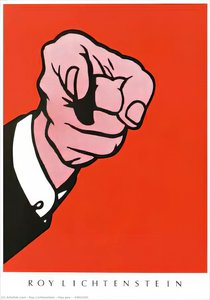
While Andy Warhol undoubtedly remains the most recognizable figure in Pop Art, limiting your exploration to his work would be a disservice to the movement’s rich diversity. Roy Lichtenstein, with his comic book-inspired paintings, brought a unique sense of irony and precision to the genre. His Ben-Day dots—a technique borrowed from commercial printing—became instantly iconic, transforming everyday imagery into high art. James Rosenquist, known for his large-scale collages, fragmented images from advertising and popular culture, creating visually arresting compositions that challenged viewers to question their perceptions.
Claes Oldenburg, though primarily a sculptor, played a pivotal role in Pop Art’s exploration of everyday objects. His oversized sculptures—giant hamburgers, colossal clothespins—were playful yet subversive, challenging traditional notions of form and scale. Eduardo Paolozzi, often considered the ‘father of Pop Art,’ pioneered collage techniques that incorporated imagery from American advertising and popular culture. Exploring these artists – and others like Tom Wesselmann and Robert Indiana – broadens your understanding of the movement’s nuances and allows you to create a collection that is both informed and uniquely personal.
Don't overlook contemporary artists inspired by Pop Art. Many are pushing the boundaries of the genre, incorporating new technologies and addressing current social issues. This demonstrates a commitment to innovation and ensures your collection remains relevant and engaging.
Investing in Quality: The Art of Reproduction and Preservation
Acquiring original Pop Art pieces can be prohibitively expensive for many collectors. Fortunately, high-quality reproductions offer an accessible alternative—allowing you to enjoy the beauty and impact of these iconic works without breaking the bank. However, not all reproductions are created equal. Prioritizing quality is paramount.
Hand-painted reproductions, created by skilled artists, offer superior texture and depth compared to digital prints. Look for artists with a proven track record and a keen eye for detail—those who can faithfully replicate the techniques characteristic of the original masters. Premium-grade canvas and archival inks are essential for ensuring longevity; these materials resist fading and deterioration, preserving the vibrancy of your artwork for decades. Framing is equally important; sleek, modern frames complement Pop Art’s aesthetic, while museum-quality glass protects against dust and UV damage.
Work with reputable art dealers who specialize in reproductions. They can provide expert advice on materials, techniques, and artist selection. A trusted dealer will also offer a certificate of authenticity—guaranteeing the quality and provenance of your purchase. Ultimately, investing in quality is an investment in lasting beauty—transforming your luxury villa into a sanctuary imbued with art and meaning. At BuyPopArt.com, we are dedicated to providing museum-quality reproductions, bespoke commissions, and expert guidance to help you curate the Pop Art collection of your dreams.