The Ancient World's Elusive Blue: Origins & Early Symbolism
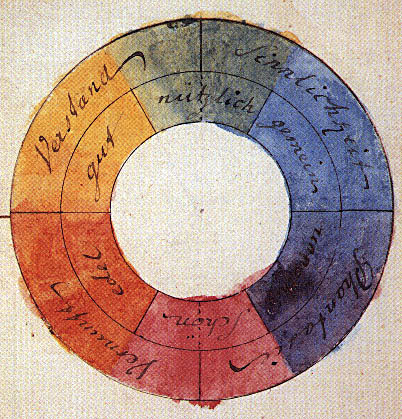 Wikipedia: Color theory
Color theory, or more specifically traditional color theory, is a historical body of knowledge describing the behavior of colors, namely in color mixing, color contrast effects, color harmony, color schemes and color symbolism. Modern color theory is...
For millennia, blue remained a spectral presence in the artistic landscape—a color desired yet often beyond reach. Unlike the readily available ochres and umbers derived from the earth, true blue pigments were scarce, their origins shrouded in distance and difficulty. The earliest civilizations, while captivated by the celestial hue of the sky and sea, struggled to replicate it with lasting vibrancy. Evidence suggests that ancient Egyptians were among the first to successfully synthesize a blue pigment around 2200 BC – Egyptian blue, created from ground limestone, sand, and copper minerals. This wasn’t merely a technical achievement; it was an act imbued with profound spiritual significance. Blue became inextricably linked with the heavens, fertility, and the life-giving power of the Nile, adorning tombs, statues, and jewelry as a symbol of rebirth and divine protection. However, even this early blue held limitations in its intensity and application, hinting at the ongoing quest for a more potent expression of the color.
Beyond Egypt, lapis lazuli—a semi-precious stone sourced from remote mines in Afghanistan—emerged as another coveted source of blue. Its journey across vast trade routes to Mesopotamia and beyond transformed it into an emblem of wealth, power, and sacredness. The ancient Sumerians and Babylonians prized lapis for its association with royalty and the gods, incorporating it into elaborate headdresses and intricate seals. Yet, the sheer cost and logistical challenges associated with acquiring lapis meant that blue remained largely reserved for the elite, a visual testament to their status and connection to the divine realm.
Ultramarine & Egyptian Blue: The Cost of Celestial Hues
The medieval period witnessed an intensification of blue’s symbolic weight, particularly through the introduction of ultramarine—a pigment derived from lapis lazuli. Its name, meaning “beyond the sea,” aptly reflects its arduous journey from the mines of Afghanistan to workshops across Europe. The process of extracting pure ultramarine was laborious and expensive; only the finest particles were deemed worthy for artistic use. Consequently, it became more valuable than gold, reserved almost exclusively for depicting the robes of the Virgin Mary and other sacred figures in religious art. Artists didn’t simply *use* ultramarine—they revered it, often incorporating it sparingly into their compositions as a sign of devotion and patronage.
Egyptian blue, while less costly than ultramarine, continued to hold its own significance. Though its hue was somewhat paler, it offered a more accessible alternative for artists seeking to represent the heavens or evoke a sense of tranquility. The rediscovery of Egyptian blue’s production techniques during the Renaissance further broadened its availability, though it never quite matched the prestige and luminosity of ultramarine. Both pigments, however, underscore a fascinating historical point: color wasn't merely an aesthetic choice; it was inextricably linked to economics, trade, and religious belief.
Blue in the Renaissance: Faith, Patronage, and Artistic Innovation
The Renaissance marked a pivotal moment in blue’s artistic trajectory. The demand for ultramarine soared as artists sought to capture the ethereal beauty of biblical scenes and portray the Virgin Mary with unprecedented reverence. Patrons—wealthy families and religious institutions—often dictated the amount of ultramarine used in commissions, viewing it as an investment in spiritual merit and a display of their affluence. Artists like Cimabue and Duccio pioneered techniques for maximizing the impact of this precious pigment, employing layering and glazing to create luminous effects that conveyed a sense of divine presence.
However, the Renaissance also saw a growing interest in scientific observation and experimentation with color mixing. While ultramarine remained highly prized, artists began exploring alternative blue pigments derived from azurite and smalt, seeking to achieve similar hues at a lower cost. This period witnessed a subtle shift—a move towards greater artistic freedom and a willingness to experiment with new techniques while still honoring the symbolic weight of blue within religious iconography.
The Psychological Impact of Blue: Emotion, Perception & Modern Art
As art moved into the modern era, the focus shifted from purely representational depictions to exploring the emotional and psychological impact of color itself. Artists began to investigate how different shades of blue could evoke specific feelings and perceptions in viewers. The cool tones of blue were often associated with tranquility, introspection, and melancholy—a stark contrast to the warmer hues that conveyed energy and passion. This exploration was deeply intertwined with emerging theories of color psychology, which suggested a direct link between color and human emotion.
The 20th century witnessed a surge in abstract art movements where color became the primary subject matter. Artists like Wassily Kandinsky delved into the spiritual dimensions of color, believing that each hue possessed unique vibrational qualities capable of eliciting profound emotional responses. His iconic “Yellow-Red-Blue” exemplifies this approach—a dynamic composition built upon the interplay of bold colors and geometric forms, intended to transcend representational imagery and tap into a deeper realm of consciousness.
Seurat & Kandinsky: Masters of Color Theory and Blue's Expression
 Seated Woman
Explore Georges Seurat’s ‘Seated Woman,’ a masterpiece of Pointillism & Neo-Impressionism. Discover its vibrant color theory, unique technique, and historical significance at the Guggenheim.
Georges Seurat’s pioneering Pointillist technique further revolutionized the use of color in art. By applying tiny dots of pure color—often incorporating various shades of blue—he created shimmering, luminous effects that challenged traditional notions of representation. His “Seated Woman” and “Circus Sideshow” demonstrate his mastery of color theory, showcasing how juxtaposing complementary colors could create a sense of vibrancy and depth. Seurat wasn’t simply painting *what* he saw; he was meticulously constructing an experience for the viewer, manipulating their perception through the precise application of color.
Kandinsky, on the other hand, approached blue from a more spiritual perspective. He believed that blue evoked feelings of depth, tranquility, and spirituality—a connection to the infinite and the sublime. His abstract compositions often featured dominant shades of blue, intended to create a meditative atmosphere and invite viewers into a realm of inner contemplation. Both Seurat and Kandinsky, though employing vastly different techniques, demonstrate the power of blue to transcend mere representation and tap into deeper emotional and psychological realms.
Beyond the Canvas: Cultural Meanings & The Enduring Legacy of Blue
The story of blue extends far beyond the confines of art history. Across cultures, blue has acquired diverse meanings—from mourning in some societies to representing royalty and divinity in others. In contemporary branding and design, blue is often associated with trust, reliability, and professionalism. This enduring legacy speaks to the profound impact that color has on our perception and emotional responses.
Today, BuyPopArt.com offers a unique opportunity to explore this captivating history firsthand. Through meticulously crafted reproductions of masterpieces by Kandinsky, Seurat, and countless other artists, you can bring the allure of blue into your own home. Whether you’re drawn to the spiritual depths of ultramarine or the vibrant energy of Pointillism, our collection provides a gateway to understanding the rich symbolism and aesthetic power of this timeless hue. Discover artworks, explore venues, and meet artists—and embark on your own journey through the world of blue.