The Mirror to Society: How Art History Illuminates Our Past
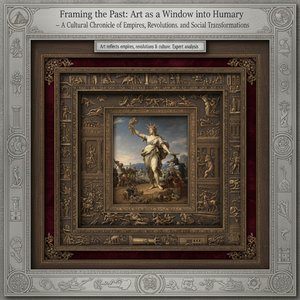
Art has always served as a profound reflection of the societies that create it. From the monumental cave paintings of Lascaux to the provocative works of contemporary artists, each piece offers invaluable insight into the beliefs, values, and experiences of its time. Studying art history isn’t merely memorizing dates and names; it's about understanding how cultures thought, felt, and interacted with the world around them. Consider, for example, William Hogarth’s “The Roast Beef of Old England,” a satirical engraving that brilliantly captures 18th-century British identity and political tensions. Or delve into Li Jin’s ‘A Banquet,’ a chaotic yet meticulously crafted work revealing layers of Chinese spirituality and mortality. These artworks aren't isolated creations; they are windows into the past, allowing us to connect with those who came before us.
Beyond Aesthetics: The Practical Skills Cultivated by Studying Art History
Often perceived as an esoteric field, art history actually cultivates a surprisingly versatile skillset. It’s not simply about appreciating beauty; it's about developing critical thinking, analytical reasoning, and visual literacy. As highlighted by the Courtauld Institute of Art, understanding art necessitates interdisciplinary analysis – connecting artistic expression to historical events, philosophical ideas, and social contexts. The ability to decipher complex imagery, interpret symbolism, and construct compelling arguments are skills highly valued in a wide range of professions. Moreover, the discipline fosters meticulous research abilities, honed through examining provenance, materials, and techniques. These skills translate directly into careers in curation, conservation, journalism, marketing, and even law.
Art History in the 21st Century: Relevance in a Digital Age
In an era dominated by rapidly evolving technology, why does studying something rooted in the past still matter? The answer lies in art’s enduring power to communicate. As Smarthistory points out, “What’s visible becomes thinkable, and what’s thinkable becomes doable.” Images continue to shape our perceptions, influence our decisions, and drive cultural narratives. Understanding how images have been used throughout history – for propaganda, persuasion, or social commentary – equips us with the critical tools needed to navigate a visually saturated world. Consider Andy Warhol's 'Gun,' a stark Pop Art piece that continues to provoke discussion about American power and violence. Or his chaotic collage ‘untitled (5706)’ which reflects the anxieties of modern life. Art history provides the framework for decoding these visual messages and understanding their impact.
From Renaissance Masters to Pop Art Provocateurs: Enduring Influences
The influence of past art movements continues to resonate in contemporary design and media. The principles of perspective and proportion, perfected during the Renaissance, remain fundamental to graphic design today. Art Deco’s geometric elegance still inspires architecture and product design. Even seemingly radical movements like Dadaism have left their mark on modern advertising and visual communication. Claes Oldenburg's 'Lipstick - (74)' exemplifies Pop Art’s exploration of consumerism and femininity, themes that continue to be relevant in today’s marketing landscape. James Rosenquist’s ‘President Elect,’ blending JFK imagery with advertising aesthetics, serves as a potent commentary on American culture – a dialogue that continues to evolve. These aren't simply historical styles; they are foundational elements shaping our visual world.
Preserving Cultural Heritage: The Vital Role of Art Historical Understanding
Perhaps the most crucial aspect of art history is its role in preserving cultural heritage. By studying and documenting artworks, we safeguard a vital record of human creativity and experience for future generations. Art galleries and museums are not merely repositories of beautiful objects; they are custodians of collective memory. The careful restoration and conservation of artworks – skills honed through rigorous art historical training – ensure that these treasures endure. Furthermore, understanding the cultural context of an artwork is essential for its proper interpretation and appreciation. Without this knowledge, we risk misinterpreting or even damaging irreplaceable pieces of our shared human story. Art history isn’t just about looking at the past; it's about protecting it for the future.