The Collision of High and Low: The Emergence of the Pop Art Aesthetic
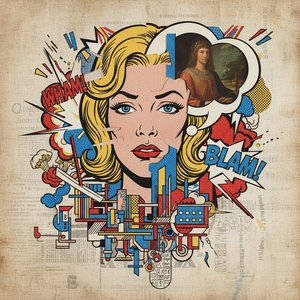
In the wake of a transformative post-war era, the art world found itself at a profound crossroads, caught between the intense, introspective shadows of Abstract Expressionism and the neon-soaked reality of a burgeoning consumer culture. This period witnessed a subversive revolution, one that dared to dismantle the ivory towers of "fine art" and invite the vibrant, often overlooked elements of everyday life into the gallery space. The emergence of the Pop Art aesthetic was not merely a change in subject matter; it was a fundamental democratization of vision. By blurring the lines between the prestigious museum piece and the mass-produced comic strip, artists began to challenge the very definition of cultural value. This movement embraced the subversive beauty found in advertising, cinema, and print media, creating a visual language that was as accessible as it was provocative. It was a moment where the boundary between high culture and low art dissolved, leaving behind a landscape where the mundane could be celebrated with unprecedented intensity.
Masters of the Mundane: Analyzing the Iconic Works of Lichtenstein, Warhol, and Hamilton
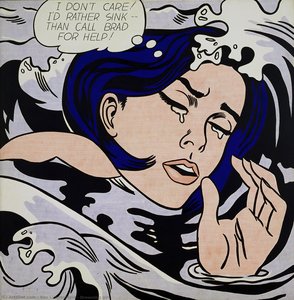
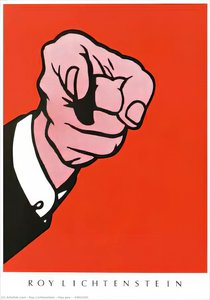
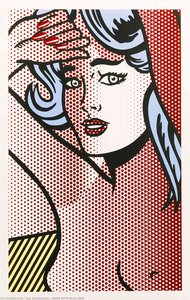
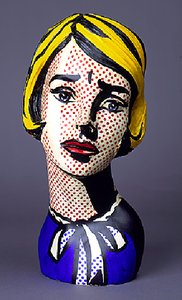
To understand the heartbeat of this movement, one must look toward the masters who found divinity in the banal. Richard Hamilton, a pioneer of the British Pop scene, utilized the power of collage to dissect the layers of modern existence. His iconic work, "Just What Is It That Makes Today’s Homes So Different, So Appealing?", serves as a brilliant architectural study of consumer desire, blending surrealist elements with the tangible artifacts of mid-century living. Simultaneously, across the Atlantic, Roy Lichtenstein was redefining portraiture through the lens of mass media. In works such as "Head" and his vibrant depictions of women, he utilized the graphic language of comic books to explore themes of romance and isolation. His technique was unmistakable—a meticulous recreation of mechanical printing that gave a monumental scale to the small-scale narrative. Then, there is the incomparable Andy Warhol, whose approach to art mirrored the very mass production he sought to depict. By treating celebrity and consumer goods with the same repetitive, iconic reverence, Warhol transformed the artist into a mirror of the factory, proving that even a soup can could possess a soul when viewed through the lens of repetition and cultural ubiquity.
The Visual Pulse: Decoding Ben-Day Dots, Bold Outlines, and Mass Production
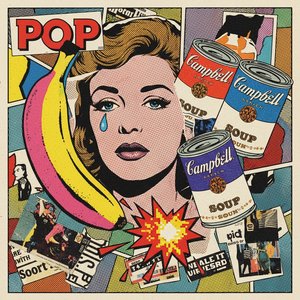
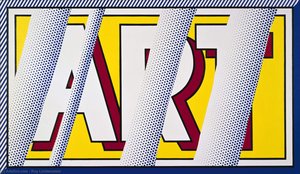
The technical brilliance of Pop Art lies in its ability to mimic the mechanical pulse of the modern age. The movement’s visual vocabulary is defined by a striking, almost clinical precision that celebrates the aesthetics of reproduction. Central to this was the use of Ben-Day dots—those tiny, rhythmic points of color used in newspaper printing—which Lichtenstein elevated into a high-art technique. These dots, combined with bold, unapologetic outlines and a palette of saturated, primary colors, created a sense of flatness that rejected the traditional depth of Renaissance perspective. This was art that did not seek to hide its origins; rather, it celebrated the texture of the printed page. The movement embraced the aesthetics of the industrial:
- Graphic Clarity: The use of heavy outlines to define form and command attention.
- Mechanical Rhythm: The application of dot patterns to simulate mass-produced textures.
- Chromatic Intensity: A reliance on high-contrast, vibrant pigments that mirrored the allure of bright advertisements.
Consumerism as Canvas: How Pop Art Reimagined the Beauty of Everyday Objects
At its core, the Pop Art revolution was an exploration of the sanctity of the object. In a world rapidly being reshaped by mass manufacturing, artists began to treat the products of industry as sacred icons. The movement looked at the ubiquitous—the soup cans, the soda bottles, the glossy magazine covers—and saw not just commodities, but cultural landmarks. This reimagining of consumerism allowed for a unique form of social commentary; by elevating the ordinary to the level of the extraordinary, artists could critique or celebrate the very essence of capitalism and desire. There was a profound beauty found in the symmetry of packaging and the allure of brand identity. The canvas became a space where the ephemeral nature of fashion and food could be frozen in time, allowing viewers to contemplate the transient beauty of the objects that define our modern existence. This era taught us that art does not always need to look toward the heavens; sometimes, it only needs to look at the grocery shelf. <_BR>
The Enduring Legacy: From Mid-Century Rebellion to Contemporary Pop Surrealism
The ripples of the Pop Art revolution continue to expand, influencing everything from contemporary graphic design to the avant-garde movements of today. We see its DNA in Pop Surrealism, a fascinating collision where the vibrant energy of Pop meets the dreamlike, often unsettling landscapes of the subconscious. Artists like George Condo and Robert Williams carry forward the mantle, blending the recognizable icons of pop culture with complex, surrealist narratives that challenge our perception of reality. This evolution proves that the movement was never just a historical moment, but a permanent shift in the artistic consciousness.
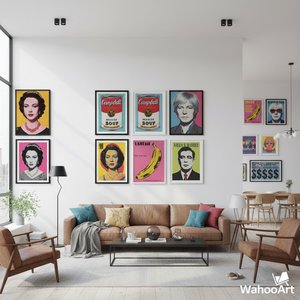
At WahooArt.com, we are dedicated to preserving and reimagining this incredible legacy for the modern collector. Whether through our meticulous handmade oil reproductions that capture the tactile brushstrokes of history, or our high-fidelity Giclée prints that maintain the vibrant clarity of the masters, we strive to bring the power of these iconic aesthetics into your home. From transforming personal memories into classical masterpieces to providing expert consultations on contemporary trends, we invite you to celebrate the enduring, vibrant spirit of art history with us.