


Introduction: The Quiet Revolution of Mark Rothko
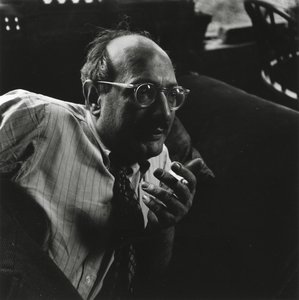 Mark Rothko
Explore Mark Rothko's (1903-1970) iconic Color Field paintings & Abstract Expressionism. Discover the emotional depth & lasting impact of this pivotal modern artist.
Mark Rothko’s name has become synonymous with a particular kind of contemplative power, a hushed intensity that draws viewers into the very core of their emotional being. Yet, to understand his iconic canvases – those vast fields of color seemingly suspended in space – requires more than simply acknowledging their aesthetic impact. It demands an exploration of the artistic journey that led him there, a path marked by intellectual rigor, personal turmoil, and a relentless pursuit of expressing fundamental human truths. Rothko wasn’t interested in depicting the world *as* it was; he sought to evoke the raw emotions *of* existence itself, stripping away representational forms to arrive at something primal and universally resonant. His work represents a quiet revolution – not one of bombast or overt gesture, but of profound internal excavation.
The Genesis of Color Field Painting: From Figurative Roots to Abstract Emotion
 No.1
No.1Experience Mark Rothko’s ‘No.1’ – a vibrant abstract expressionist masterpiece! Bold colors, dynamic composition & emotional depth. Perfect for modern interiors.
Rothko’s early paintings, created in the 1930s and 40s, offer a fascinating glimpse into the evolution of his style. Initially rooted in figurative representation, influenced by Surrealism and Expressionism, these works gradually shed their concrete forms, becoming increasingly preoccupied with color and spatial relationships. The influence of Arshile Gorky is palpable in this period, particularly in the exploration of biomorphic shapes and dreamlike imagery. However, Rothko soon moved beyond mere imitation, seeking a more direct means of conveying emotional weight. The post-war atmosphere – laden with existential anxiety and a sense of collective trauma – profoundly shaped his artistic vision. He began to believe that traditional subject matter was insufficient for expressing the depth of human experience. This conviction led him towards abstraction, specifically what would become known as Color Field painting. The key shift wasn’t simply *what* he painted, but *how*. He moved away from brushwork and texture, favoring large areas of flat color applied in thin washes that seemed to breathe on the canvas. Works like ‘No. 1’ (available through OriginalUniqueArt.com) exemplify this transition – bold colors dynamically composed, yet devoid of recognizable forms, inviting pure emotional response.
Decoding Rothko's Palette: Exploring the Psychological Impact of Hue and Tone
 AUTUMN
The power of a Rothko painting lies not in its complexity, but in its deliberate simplicity. His palette, while seemingly limited, is anything but monotonous. Each hue – from the fiery reds and oranges to the somber blues and purples – carries a specific psychological weight. Reds often evoke passion, energy, and even aggression, while blues suggest introspection, melancholy, and the vastness of the unknown. The layering of these colors, their subtle gradations and interactions, create an atmosphere that is both captivating and unsettling. Rothko wasn’t interested in arbitrary color combinations; he meticulously considered the emotional impact of each shade and its relationship to those surrounding it. He understood that color could bypass intellectual analysis and speak directly to the subconscious. The use of thin washes, allowing the canvas to show through, further enhances this effect, creating a sense of depth and luminosity. Consider ‘Autumn’ – the interplay of warm and cool tones evokes a feeling of transience and quiet contemplation, mirroring the cyclical nature of life itself.
Composition as Sublimation: Spatial Dynamics in Rothko’s Work
 Harmonizing Hues & History: A Guide to Selecting Art Styles for Your Interior
Elevate your interior design with our expert guide to art styles. Discover how to select artwork that harmonizes with your space, from classic movements to custom creations. – quality reproductions & professional advice.
While often described as “fields” of color, Rothko’s compositions are far from amorphous. The rectangular forms that dominate his canvases aren't randomly placed; they are carefully arranged to create a specific spatial dynamic. These rectangles seem to float on the canvas, their edges blurred and indistinct, creating a sense of ambiguity and movement. The scale of these paintings is also crucial – often monumental in size, they envelop the viewer, immersing them in a world of pure color and emotion. Rothko believed that the size was essential for achieving the desired effect; smaller canvases simply couldn’t convey the same level of intensity. The spatial relationships between the rectangles are not static; they seem to push and pull against each other, creating a subtle tension that draws the eye inward. This deliberate manipulation of space is key to Rothko's ability to evoke feelings of awe, wonder, and even spiritual transcendence. He wasn’t simply painting colors; he was constructing environments for emotional experience.
Rothko, Newman, and Still: A Comparative Look at First-Generation Color Field Masters
Abstract expressionism in the United States emerged as a distinct art movement in the aftermath of World War II and gained mainstream acceptance in the 1950s, a shift from the American social realism of the 1930s influenced by the Great Depression an...
Mark Rothko didn’t operate in a vacuum. He was part of a larger movement – the first generation of American Color Field painters – that included artists like Barnett Newman and Clyfford Still. While all three shared a commitment to abstraction and emotional expression, their approaches differed significantly. Newman, known for his “zips” – vertical lines dividing fields of color – emphasized the idea of the sublime through stark simplicity and monumental scale. Still’s work, characterized by jagged, irregular forms and intense color contrasts, often evokes a sense of primordial power and geological forces. Rothko, in contrast, favored softer edges and more subtle gradations, creating an atmosphere that is both contemplative and melancholic. While Newman sought to define the sublime through explicit gestures, Still through raw energy, Rothko aimed for something more elusive – a quiet resonance that allowed viewers to project their own emotions onto the canvas. Exploring the works of all three artists (OriginalUniqueArt.com offers reproductions of each) provides valuable insight into the diverse possibilities within Color Field painting and the broader context of Abstract Expressionism.
The Enduring Legacy of Rothko: Influence and Contemporary Relevance
Despite a tragically short life, Mark Rothko’s influence on contemporary art remains profound. His work continues to inspire artists across various disciplines, from painting and sculpture to installation and performance art. The emotional intensity and contemplative power of his canvases resonate deeply with audiences today, perhaps even more so in an increasingly chaotic and fragmented world. Rothko's legacy extends beyond the realm of aesthetics; he challenged conventional notions of representation and redefined the role of the artist as a conduit for universal human emotions. His paintings are not simply objects to be admired; they are invitations to introspection, spaces for contemplation, and reminders of our shared humanity. The enduring appeal of Rothko’s work lies in its ability to transcend cultural boundaries and speak directly to the soul. For those seeking to bring this profound aesthetic experience into their own homes, OriginalUniqueArt.com offers high-quality reproductions that capture the essence of his iconic style, allowing you to connect with a master of emotional abstraction.





