
A Journey Through Time and Faith: Exploring the Basilica di Santa Maria dei Servi in Bologna
Nestled within the heart of Bologna, Italy, the Chiesa dei Servi – or Basilica di Santa Maria dei Servi – stands as a magnificent testament to centuries of artistic devotion and architectural evolution. Founded in 1346 by the Servite Order, this church isn’t merely a place of worship; it's a living chronicle of Bolognese history, a captivating blend of Gothic grandeur, Renaissance influence, and an unexpectedly striking atrium. A visit here is akin to stepping through a portal into the soul of the city, offering a profound cultural experience for art enthusiasts, history buffs, and anyone seeking a deeper connection with the past.
The church’s origins lie in the dedication of the Servite community, an order devoted to serving the sick and poor. From its inception, the Basilica was conceived as more than just a functional space; it was intended to be a beacon of faith and a showcase for artistic excellence. The initial design, largely attributed to Antonio di Vincenzo, established a robust Gothic framework – soaring vaulted ceilings, pointed arches, and an atmosphere of solemn reverence. However, the Basilica’s story truly unfolds through its continuous transformation, reflecting the changing tastes and fortunes of Bologna over the subsequent centuries.
A Masterclass in Gothic Architecture
The Basilica's exterior presents a surprisingly understated façade – a simple, unadorned brick structure that belies the treasures within. Yet, it’s the church’s 16th-century atrium that immediately captivates the visitor. This remarkable feature, an anomaly in Bolognese architecture, is a deliberate echo of the grand arcades constructed by Filippo Brunelleschi at Florence's Hospital of the Innocents. The atrium, with its elegant arches and intricate detailing, provides a dramatic contrast to the Basilica’s austere exterior and sets a stage for the opulent interior that awaits. Inside, the basilica showcases impressive vaulted ceilings adorned with delicate ribbing, a testament to the skill of Bolognese artisans.
Treasures Within: Cimabue, Frescoes, and Andrea da Faenza
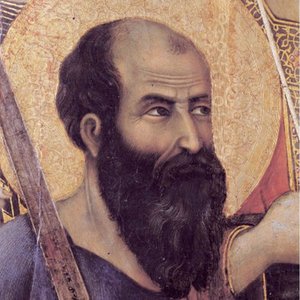
The Basilica’s collection is a remarkable assemblage of artistic masterpieces spanning several centuries. A highlight is undoubtedly the presence of significant works by Cimabue, one of the most influential figures in the transition from Byzantine to Early Renaissance painting. These pieces offer a rare glimpse into his innovative techniques and profound understanding of perspective – a pivotal moment in art history. Equally compelling are the meticulously preserved 14th-century frescoes that adorn the walls, depicting scenes from the Bible with remarkable detail and emotional intensity. These vibrant images provide invaluable insights into the artistic conventions and religious beliefs of the medieval period.
Furthermore, the Basilica is linked to the work of Andrea da Faenza, a prominent Bolognese painter known for his refined style and elegant compositions. His influence can be observed in several pieces within the collection, demonstrating the interconnectedness of artistic circles during this era. The Basilica also houses a celebrated pipe organ, renowned throughout Italy for its exceptional sound quality and historical significance. Concerts are occasionally held here, adding another layer to the Basilica’s rich cultural tapestry.
A Unique Spatial Experience
What truly distinguishes the Chiesa dei Servi is not just its artistic treasures but also its unique spatial arrangement. The unfinished façade, a deliberate choice made during the church's construction, creates an intriguing visual dialogue between past and present. The 16th-century atrium, a rare addition to Bolognese architecture, further enhances this sense of layered history. It’s a space that invites contemplation and encourages visitors to consider the evolving artistic visions that shaped the Basilica over centuries. The Basilica di Santa Maria dei Servi is more than just a church; it's a living museum—a place where art, faith, and history converge in a truly unforgettable experience.