A Window into French Artistic Heritage: Exploring Dunkerque’s Musée des Beaux-Arts
Dunkerque's Musée des Beaux-Arts stands as a testament to France’s enduring passion for artistic expression, nestled in the heart of Nord-Pas-de-Calais. More than just a repository of paintings, it represents a journey through centuries of artistic evolution—from the grandeur of Baroque masterpieces to the vibrant hues of Impressionism and Fauvist experimentation. Its location within Dunkerque itself adds an element of maritime charm, inviting visitors to contemplate art alongside the city’s rich industrial past.
A Diverse Collection Reflecting Artistic Movements
The museum's core strength resides in its impressive collection of French art spanning several pivotal periods. Visitors will find themselves immersed in a panorama of styles—primarily focused on École du Nord and Italian Renaissance paintings, complemented by a significant selection of contemporary artworks showcasing the dynamism of modern artistic trends. Notably, Dunkerque’s Musée des Beaux-Arts holds a distinguished CODART designation, recognizing its substantial holdings pertaining to Dutch and Flemish masters within a French context – an unusual juxtaposition that illuminates broader European artistic dialogues.
Iconic Paintings: Rubens' "Le Coup de Lance" and Biard's “Le Salon de M. le comte de Nieuwerkerke”
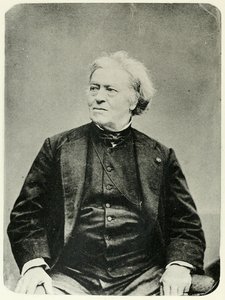
Among the museum’s treasures are reproductions of monumental canvases like Peter Paul Rubens’ “Le Coup de Lance,” a Baroque masterpiece capturing the dramatic fervor of religious iconography. The masterful use of chiaroscuro—the interplay between light and shadow—effectively conveys the emotional intensity of Jesus on the cross, demonstrating Rubens' unparalleled skill in conveying profound psychological depth. Equally captivating is François Auguste Biard’s “Le Salon de M. le comte de Nieuwerkerke,” a sprawling oil painting emblematic of academic style. Its opulent décor and meticulous detail offer an exquisite glimpse into aristocratic life during the 19th century—a celebration of artistic refinement and historical accuracy.
Beyond Paintings: Impressionistic Visions and Fauvist Boldness
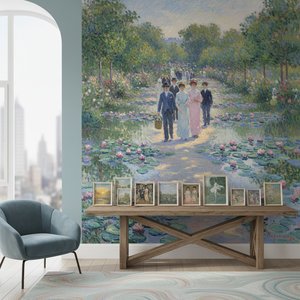
The Musée des Beaux-Arts doesn’t confine itself to traditional canvases; it houses notable pieces from movements that revolutionized European art. Henri Matisse's “Saint Tropez Grenoble” exemplifies the bold aesthetic principles of Fauvism, characterized by unrestrained color palettes and expressive brushstrokes—a deliberate departure from Impressionistic realism. This artwork captures the radiant beauty of Saint Tropez’s Mediterranean landscape with vibrant hues that prioritize emotional impact over precise representation. Similarly, Henri Le Sidaner's paintings delve into intimate domestic scenes imbued with subtle nuances of light and color, reflecting the influence of Impressionism and Pointillism—techniques designed to evoke atmosphere and emotion through fragmented dots of pigment.
A Hub for Art Scholarship and Cultural Enrichment
The Musée des Beaux-Arts serves as an invaluable resource for art historians, students, and enthusiasts alike. Its thoughtfully curated exhibitions regularly illuminate lesser-known artistic narratives and foster a deeper appreciation for French artistic traditions. Furthermore, its location in Dunkerque provides visitors with the opportunity to experience art within a captivating urban setting—a harmonious blend of cultural heritage and maritime history.