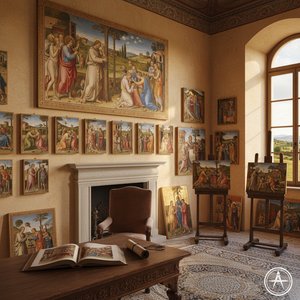
A Glimpse into Noble Life: Exploring Palazzo Mansi in Lucca
Nestled within the ancient walls of Lucca, Italy, Palazzo Mansi stands as a remarkably preserved testament to centuries of noble history and artistic patronage. More than simply a museum, it’s an immersive journey back in time, offering visitors a rare opportunity to step into the opulent world of the Mansi family – silk merchants, political figures, and passionate collectors who shaped the cultural landscape of Lucca from the 17th century onward. The palace itself, originally conceived as a collection of tower houses in 1616, evolved under the meticulous hand of successive generations, culminating in the breathtaking Baroque masterpiece we see today.
The building’s transformation began with Ascanio Mansi, who initiated the process of consolidating these individual structures into a unified palace. His son, Raffaello, commissioned architect Raffaello Mazzanti to dramatically reshape the edifice between 1686 and 1691, imbuing it with the grandeur characteristic of the era. While retaining hints of its Renaissance origins – particularly in some of the window features on the facade – the interior reveals a masterful execution of Baroque design, characterized by sweeping curves, lavish ornamentation, and an abundance of richly colored materials. Subsequent refurbishments, notably those undertaken by Luigi Mansi in the 18th century, further refined the palace’s aesthetic, solidifying its reputation as a symbol of Lucchese wealth and influence. The family's prominence continued until the mid-20th century when they generously donated the palace to the state, ensuring its preservation as a national treasure.
A Symphony of Baroque Interiors
Entering Palazzo Mansi is akin to stepping into a meticulously crafted stage set. The museum’s collection highlights are overwhelmingly centered around the remarkably preserved interiors, which have largely retained their original splendor. Visitors are immediately struck by the sheer scale and richness of the rooms – vast spaces adorned with frescoes that cascade across ceilings, depicting mythological scenes and allegorical representations of family virtues. The walls themselves are a tapestry of color, covered in intricately patterned tapestries, many dating back to the 17th and 18th centuries. These aren’t merely decorative elements; they were significant investments, reflecting the Mansi family's wealth and status.
The Bridal Chamber is particularly noteworthy, showcasing an alcove adorned with gilded caryatids – sculpted female figures supporting a projecting shelf – a testament to the lavishness of the era. Beyond this opulent space lie the grand salon, the dining room, and numerous private apartments, each offering a glimpse into the daily lives of the Mansi family. The furniture itself—antique chairs, tables, and chests—is equally impressive, reflecting the evolving tastes and styles of the period. The meticulous attention to detail in every aspect of these rooms speaks volumes about the family’s commitment to creating an environment of unparalleled beauty and refinement.
Treasures Within: Art, Tapestries, and Furnishings
While the interiors are undoubtedly the star attraction, Palazzo Mansi boasts a significant collection of art spanning the 17th and 19th centuries. Paintings by Italian masters – including works by Bonaventura Berlinghieri, a pivotal figure in Lucchese Gothic painting, and examples reflecting influences from the Florentine school – are interspersed throughout the palace. Sculptures, primarily marble figures, add to the museum’s artistic richness. However, it is the collection of tapestries that truly sets Palazzo Mansi apart. These aren't just textile hangings; they represent a significant investment in art and craftsmanship, showcasing intricate designs and vibrant colors.
The tapestries themselves are remarkable for their scale, complexity, and historical significance. They depict scenes from mythology, history, and everyday life, offering valuable insights into the artistic tastes and cultural values of the time. Alongside the tapestries, a diverse array of antique furniture—from ornate chairs to elegant chests—completes the picture, providing a tangible sense of the Mansi family’s lifestyle and wealth. The museum's curators have painstakingly restored these objects, ensuring that their beauty and historical value are preserved for future generations.
A Unique Window into the Past
What truly distinguishes Palazzo Mansi is its remarkable preservation—the fact that so many of the original room decorations remain in place. Unlike many museums where reproductions or reconstructions have been employed, here visitors can experience a genuine sense of stepping back in time. The palace offers an unparalleled opportunity to imagine life within a noble Lucchese household, to consider the rituals, customs, and aesthetic sensibilities of a bygone era. It’s not simply a display of art; it's a carefully curated environment that evokes a powerful emotional response, transporting visitors to a world of opulence, intrigue, and artistic patronage. A visit to Palazzo Mansi is therefore an unforgettable experience—a testament to the enduring legacy of the Mansi family and a celebration of Lucchese cultural heritage.