
A Legacy of Light and Power: The Royal Collection at Windsor Castle
Within the formidable stone walls of Windsor Castle, where six centuries of British history converge, lies an immersive journey through time known as the Royal Collection. This is far more than a mere museum; it is a living testament to architectural ambition and unparalleled artistic patronage. As one wanders through these historic corridors, nestled amongst tapestries woven with royal threads, the collection offers an intimate glimpse into the very soul of a nation. The castle itself, founded by William the Conqueror in 1066, serves as a breathtaking stage for this treasure trove, where the layers of Norman, Gothic, Tudor, Baroque, and Georgian design create a complex, storied atmosphere that breathes life into every artifact on display.
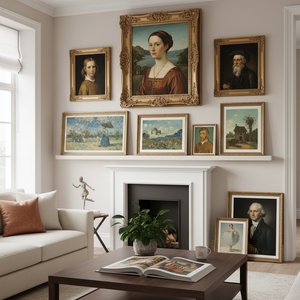
The heart of the collection beats most vibrantly within its extraordinary depictions of Venice. Over forty canvases by the master Canaletto dominate significant gallery spaces, meticulously documenting the shimmering canals, bustling piazzas, and the vibrant, ephemeral life of 18th-century La Serenissima. These works are not merely static records; they are imbued with a palpable sense of light and movement, capturing the subtle play of shadows on water and the unique allure of the Venetian atmosphere. Complementing these vistas is the profound mastery of Anthony van Dyck, whose portraiture stands as a cornerstone of the collection. His depictions of the Stuart court are meticulously constructed narratives of power and aristocratic grace, where every brushstroke is a strategic attempt to convey status, personality, and the quiet dignity of the sitter.
Beyond the grandeur of oil on canvas, the Royal Collection reveals itself through the exquisite intimacy of the decorative arts. To step into the State Apartments is to encounter a world of refined taste, where rooms are furnished with furniture inlaid with intricate marquetry and porcelain adorned with delicate floral motifs. The collection’s breadth is staggering, encompassing everything from gleaming silver tableware and magnificent arms and armour to a remarkable library of illuminated manuscripts and rare books. This material culture reflects the unwavering commitment to luxury that has defined the monarchy for generations, offering collectors and historians alike a profound insight into the evolution of British craftsmanship and social hierarchy.
What truly distinguishes the Royal Collection is its unique placement within an occupied royal residence, allowing visitors to experience art in the very settings for which it was originally commissioned. The rotating exhibitions hosted by the Royal Collection Trust further enrich this experience, occasionally unveiling rare objects—such as specific works of royal fashion or jewelry—that are seldom seen by the public eye. Whether one is drawn by the technical brilliance of a Baroque masterpiece like Carlo Dolci’s Salome with the Head of St John the Baptist or the architectural majesty of the Round Tower, the collection remains an enduring symbol of British identity, inviting all who enter to witness the intersection of art, power, and history.