Cambiar a impresión Cambiar a impresiónCambiar a imagen Cambiar a imagen CompartirCompartir
Ver detallesVer detalles Añadir a favoritos Añadir a favoritos DescargarDescargar Ver similaresVer similares Presentación de diapositivasPresentación de diapositivas

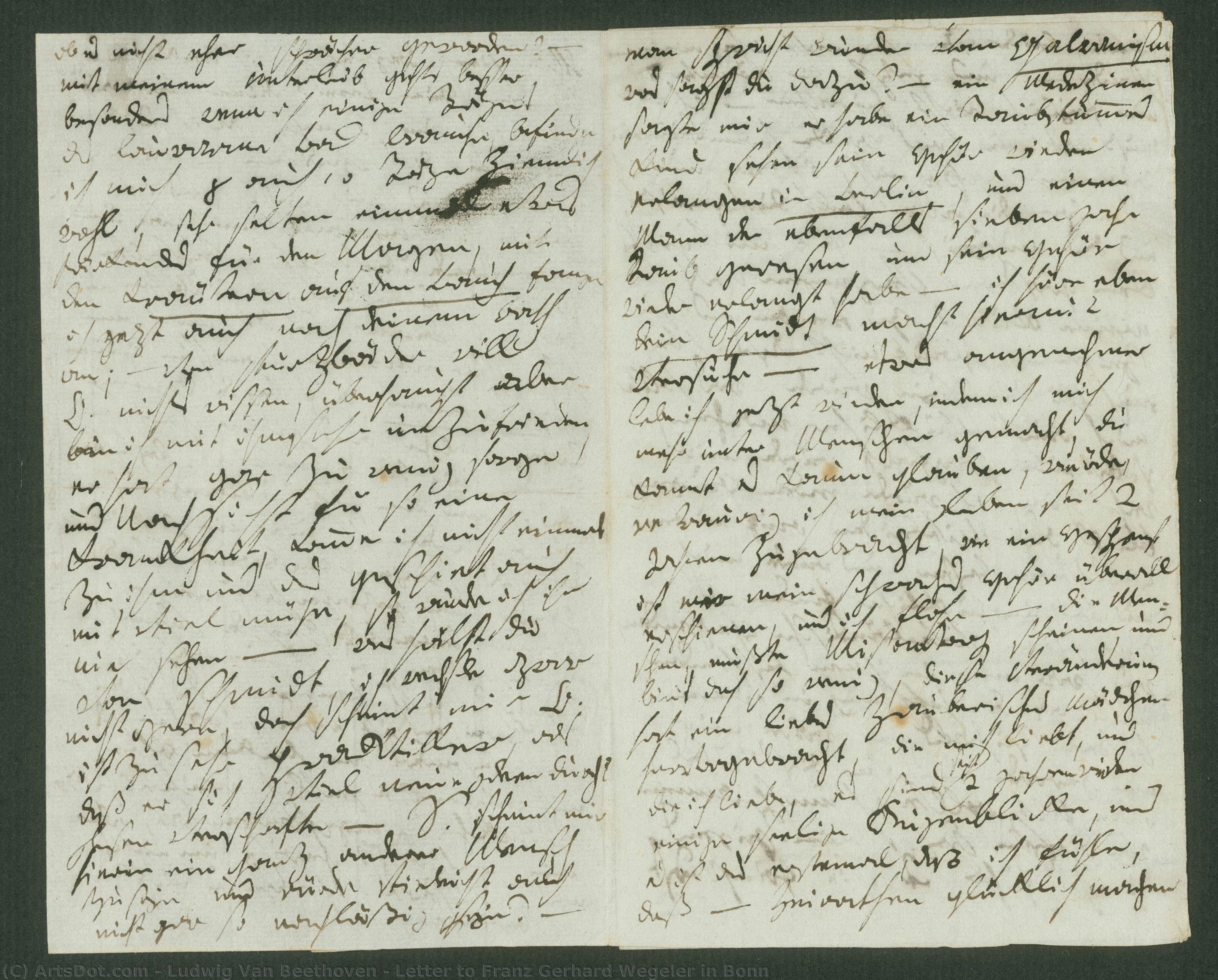
Carta a Franz Gerhard Wegeler en Bonn

La conmovedora carta de 1801 de Beethoven revela su vulnerabilidad y ambición ante la sordera. Este documento manuscrito, ventana a su alma en la era romántica de Viena, ofrece una visión única: descubre esta obra maestra.

Descubre la portada de la partitura del Cuarteto Op. 130 en La b menor de Beethoven, de 1827. Diseño elegante del siglo XIX con tipografía ornamentada y motivos simbólicos, perfecto para los amantes de la música clásica y el arte.

Reproducción al óleo hecha a mano

Óleo sobre lienzo pintado a mano en el tamaño y marco de su elección, realizado por encargo por nuestros artistas. (Cambiar a impresión Cambiar a impresiónCambiar a imagen Cambiar a imagen)

P118B $10
P118H $10
P118W $10
P438Z $10
P508JH $12
P508YH $12
P805H $10
P805Z $10
P919BZ $10
P919G $10
P919XJ $10
P959ZH $10
P968JZ $12
W106C $8
W218G $10
W218JH $8
W218Y $10
W307PJ $10
W316G $10
W316PJ $8
W316Y $10
W398PJ $8
W4111J $10
W500HY $15
W500JH $15
W692G $12
W849H $8
W940BG $15
W953PJ $8

Standard
custom
CM
INCH

Elija entre nuestros tamaños predefinidos que respetan las proporciones originales de la obra.

ancho
altura

Puede ingresar sus propias dimensiones para adaptarse a un marco o espacio específico. Si el tamaño seleccionado no coincide con las proporciones de la imagen original, recortaremos la obra o extenderemos la pintura con elementos adicionales pintados a mano. Se le enviará una maqueta digital para su aprobación antes de comenzar la producción.
Tenga en cuenta que la vista previa en pantalla no refleja el recorte o la extensión reales. Solo la maqueta mostrará con precisión la composición final.
Si bien existen tamaños personalizados, recomendamos seleccionar una dimensión de la lista predefinida para preservar las proporciones originales.

Ejemplos de lo que se puede personalizar: Reemplace el rostro con una foto del cliente; Agregue una mascota (por ejemplo, cambie un gato por un perro); Incluya un mensaje oculto en el fondo; Cambie el paisaje o los elementos del fondo.
Tras realizar el pedido, el equipo de BuyPopArt.com enviará un correo electrónico al cliente para solicitar instrucciones y proporcionarle una vista previa del boceto.

Envío a todo el mundo () en 3-4 semanas en lugar de las 5 semanas estándar. (8 agosto). Sin comprometer la calidad.

why_choose_icon
Envío exprés gratuito a todo el mundo
why_choose_icon
Lienzo de lino de alta calidad
why_choose_icon
Seguro de envío completo
why_choose_icon
Garantía de reembolso de aranceles aduaneros
why_choose_icon
Garantía de fidelidad cromática exacta
why_choose_icon
Política de devolución de 60 días (solo por defectos)
why_choose_icon
Garantía de devolución del 100% del dinero
why_choose_icon
Oferta por volumen

Precio total

$ 288

reproduction

Carta a Franz Gerhard Wegeler en Bonn

Técnica de reproducción

Tamaño de la reproducción

-

Precio total

$ 288

Datos clave

  • Location: Beethoven-Haus Bonn
  • Dimensions: 19 x 11 cm
  • Notable elements or techniques: Personal correspondence; Musical notes
  • Subject or theme: Music; Friendship; Romanticism
  • Year: 1801
  • Artist: Ludwig van Beethoven

Cuestionario de arte

Cada pregunta tiene una única respuesta correcta.

Pregunta 1:
What year was Ludwig Van Beethoven’s letter to Franz Gerhard Wegeler written?
Pregunta 2:
The photograph captures the intricate details of Beethoven's handwriting. What is a key characteristic of his handwriting style?
Pregunta 3:
Beethoven's letter discusses his thoughts on marriage. Why does he express concern about marrying Wegeler?
Pregunta 4:
Where was Ludwig Van Beethoven born?
Pregunta 5:
Beethoven’s innovative compositions combined vocals and instruments. Which genre is best described by this statement?

Descripción de la obra

Una ventana al alma de Beethoven: un examen de la ‘Carta a Franz Gerhard Wegeler’

El modesto pergamino que contiene la correspondencia manuscrita de Ludwig van Beethoven con Franz Gerhard Wegeler ofrece mucho más que simple tinta sobre papel; presenta un vistazo conmovedor al mundo interior del compositor, un universo que luchaba contra la enfermedad, la ambición y las complejidades de los vínculos personales. Escrita en 1801, en medio del floreciente fervor del panorama musical de Viena, esta carta trasciende el mero documento para convertirse en un emblema del espíritu inquebrantable y la vulnerabilidad de Beethoven.
  • Temática: La misiva profundiza en asuntos tanto prácticos como profundamente emocionales. Beethoven relata sus continuas luchas contra la sordera —una condición que invadía implacablemente sus sentidos— y busca el consejo de Wegeler respecto a posibles remedios. Simultáneamente, expresa su afecto por la hija de Wegeler, describiéndola como una "querida mágica", lo que sugiere aspiraciones de felicidad familiar a pesar de las disparidades sociales de la época.
  • Estilo y técnica: La caligrafía de Beethoven se caracteriza por una precisión deliberada y un florecimiento expresivo, reflejando su enfoque meticuloso hacia la composición misma. La tinta utilizada —probablemente tinta ferrogálica— era común durante el periodo, otorgando una autenticidad al documento que dice mucho sobre su procedencia. Las dimensiones de la carta (19 x 11 cm) son modestas pero significativas, enfatizando la intimidad de la comunicación de Beethoven con un confidente de confianza.
  • Contexto histórico: Beethoven estaba firmemente arraigado en la era Romántica, una época marcada por una intensa preocupación por la emoción y el individualismo. Esta carta encarna el espíritu de la época —un anhelo de conexión en medio de profundos desafíos personales— y subraya el compromiso inquebrantable de Beethoven con la integridad artística a pesar de sus limitaciones físicas. La correspondencia tuvo lugar durante el periodo en que Wegeler desempeñaba su papel como editor de Beethoven, resaltando la intersección crucial entre el mecenazgo y la expresión creativa.
  • Simbolismo: Más allá de sus detalles biográficos, la carta posee un peso simbólico. La preocupación de Beethoven por la sordera no representa solo una deficiencia sensorial, sino también una metáfora de la lucha artística: el silenciamiento del sonido que refleja la supresión de las normas musicales convencionales. Su anhelo de felicidad familiar simboliza el deseo universal de amor y pertenencia, resonando a través de los siglos.
  • Impacto emocional: Leer la ‘Carta a Franz Gerhard Wegeler’ evoca empatía por la difícil situación de Beethoven y admiración por su dedicación inquebrantable a su arte. Sirve como un recordatorio de que el genio a menudo emerge de la adversidad, y que el verdadero arte requiere coraje, vulnerabilidad y una búsqueda incansable de las propias pasiones.
Exploración adicional: Para apreciar la profunda profundidad de este artefacto artístico, considere visitar la Beethoven-Haus Bonn () y adentrarse en su archivo digital () para obtener perspectivas académicas sobre la vida y obra de Beethoven. Alternativamente, sumérjase en el legado artístico de Wegeler a través de las reproducciones disponibles en BuyPopArt.com ().

Biografía del artista

early life and musical beginnings

Ludwig van Beethoven, a titan of classical music, was born in Bonn, Germany, on December 17, 1770—the son of Johann Van Beethoven, a singer, and Magdalena Kreutzer—a pianist. From his earliest years, Beethoven demonstrated an extraordinary aptitude for music, captivating audiences with performances that belied his youth. Recognizing this prodigious talent, his father diligently nurtured his musical inclinations, securing lessons from Christian Gottlob Schulze, Bonn’s court organist, who instilled in him a foundational understanding of counterpoint and harmony. However, Beethoven's formal education was somewhat curtailed by familial circumstances; Johann Van Beethoven’s financial struggles hampered the family’s ability to provide extensive resources for his son’s musical pursuits. Despite these limitations, Beethoven persevered, honing his skills independently and immersing himself in the works of composers like Franz Joseph Haydn—a formative influence that would shape his artistic vision.

movements and influences

Beethoven's relocation to Vienna in 1792 marked a pivotal juncture in his life and career. Seeking patronage and artistic recognition, he joined forces with Anton Reichstädt, a wealthy Viennese musician who served as his benefactor and introduced him to influential circles within the city’s musical elite. This association fostered collaborations with composers like Joseph Haydn and Johann Georg Albrechtsberger—further enriching Beethoven's intellectual landscape and propelling him toward groundbreaking innovations. Vienna became the crucible of Beethoven’s artistic evolution, where he wrestled with stylistic debates surrounding Classical versus Romantic aesthetics. The prevailing sentiment was that instrumental music should be subservient to vocal music; Beethoven vehemently rejected this notion, asserting its primacy as a form of artistic expression—a stance that challenged established conventions and foreshadowed the burgeoning Romantic movement.

major achievements

Beethoven’s musical legacy transcends mere technical brilliance; it embodies an unwavering commitment to emotional depth and expressive power. His symphonies—particularly Symphony No. 5 (“Fate knocking at the door”), Symphony No. 9 (“Ode to Joy”), and Symphony No. 3 ("Eroica")—remain cornerstones of orchestral repertoire, captivating audiences worldwide with their dramatic narratives and harmonic complexity. Beyond his symphonic masterpieces, Beethoven’s piano sonatas—such as Moonlight Sonata and Für Elise—are universally beloved for their lyrical beauty and profound psychological insight. He revolutionized the piano concerto form, elevating it to new heights of artistic sophistication and demonstrating unparalleled mastery of musical technique. Furthermore, Beethoven's choral works, notably Missa Solemnis, stand as monuments to his ambition to fuse music and spirituality—a daring undertaking that cemented his place among history’s most transformative composers.

deafness and continued creativity

Beginning in 1796, Beethoven endured a gradual but inexorable descent into deafness—a condition that profoundly impacted his life and artistic practice. Initially experiencing tinnitus (ringing in the ears), he progressively lost hearing until, by the early 1820s, he was effectively mute. Despite this debilitating affliction, Beethoven refused to abandon his musical vocation, channeling his grief and frustration into an astonishing outpouring of creativity—producing some of his most enduring works during a period of profound isolation. He experimented with innovative compositional techniques—such as utilizing hammers and wax cylinders to transcribe music—demonstrating unwavering determination and intellectual resilience. His deafness served not as an impediment but rather as a catalyst for artistic introspection, prompting him to delve deeper into the expressive possibilities of silence and instrumental timbre.

historical significance

Ludwig van Beethoven’s influence on subsequent generations of composers is undeniable—his pioneering spirit irrevocably altered the trajectory of Western music. He championed the Romantic ideal of emotional sincerity and individualism—challenging the rigid formalism of the Classical era and paving the way for a more expansive artistic vision. His works continue to inspire musicians and audiences alike, resonating with themes of struggle, triumph, and transcendence—affirming Beethoven’s enduring relevance as a symbol of human creativity and perseverance. He remains an icon of musical genius—a testament to the transformative power of art in confronting adversity and elevating the human spirit.
Ludwig Van Beethoven

Ludwig Van Beethoven

1770 - 1827 , Alemania

Datos clave

  • Artistic Movement Or Style: Clásico Romántico
  • Artists Or Movements Influenced By This Artist: ['Johannes Brahms']
  • Artists Who Influenced This Artist:
    • Franz Joseph Haydn
    • Christian Gottlob Schulze
  • Date Of Birth: 1770 Bonn Alemania
  • Date Of Death: 1827 Viena Austria
  • Full Name: Ludwig van Beethoven
  • Nationality: Alemania
  • Notable Artworks:
    • Moonlight Sonata
    • Sinfonía No 9
  • Place Of Birth: Bonn Alemania
Explore obras de arte organizadas por temas, estilos y características.



































