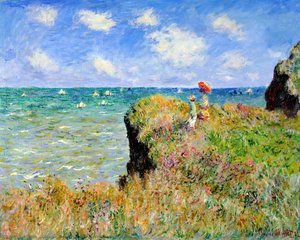
Óleo sobre lienzo pintado a mano en el tamaño y marco de su elección, realizado por encargo por nuestros artistas. ( Comprar impresión Comprar imagen)





























Elija entre nuestros tamaños predefinidos que respetan las proporciones originales de la obra.

Puede ingresar sus propias dimensiones para adaptarse a un marco o espacio específico. Si el tamaño seleccionado no coincide con las proporciones de la imagen original, recortaremos la obra o extenderemos la pintura con elementos adicionales pintados a mano. Se le enviará una maqueta digital para su aprobación antes de comenzar la producción.
Tenga en cuenta que la vista previa en pantalla no refleja el recorte o la extensión reales. Solo la maqueta mostrará con precisión la composición final.
Si bien existen tamaños personalizados, recomendamos seleccionar una dimensión de la lista predefinida para preservar las proporciones originales.
Envío a todo el mundo () en 3-4 semanas en lugar de las 5 semanas estándar. (12 agosto). Sin comprometer la calidad.


Bend in the River Epte
Tamaño de la reproducción
Claude Monet’s “Bend in the River Epte” isn't merely a landscape painting; it’s an invitation into a fleeting, sun-drenched memory. Completed in 1888 during his prolific period at Giverny, this work exemplifies the core tenets of Impressionism – not to represent reality with photographic precision, but rather to capture the *impression* of a scene, the ephemeral quality of light and atmosphere as perceived by the artist’s eye. The painting depicts a serene bend in the Epte River, a tributary of the Seine, nestled amongst a tapestry of lush trees that frame the water's shimmering surface. It’s a scene brimming with tranquility, yet subtly charged with an awareness of the transient nature of beauty – a characteristic deeply ingrained in Monet’s artistic philosophy.
Monet’s technique is instantly recognizable. He abandons traditional brushwork, opting instead for short, broken strokes of pure color applied directly to the canvas. These individual dabs of pigment blend optically when viewed from a distance, creating an effect of luminous vibrancy and movement. Notice how he doesn't meticulously define the edges of the trees or the reflections in the water; rather, he allows them to dissolve into a hazy atmosphere, suggesting depth and space through color and light. The palette is dominated by greens – ranging from deep emeralds to lighter, almost turquoise hues – punctuated by flashes of gold and ochre where sunlight catches the foliage. These colors aren’t mixed on the palette but are applied side-by-side, allowing the viewer's eye to complete the blending process, mirroring the way our own eyes perceive color in natural light.
To fully appreciate “Bend in the River Epte,” it’s helpful to consider its context within Monet’s artistic development. Like many young artists of his time, Monet was profoundly influenced by Jean-Baptiste-Camille Corot, a master of landscape painting known for his soft, atmospheric brushwork and his ability to capture the subtle nuances of light and color. Corot's emphasis on capturing the *feeling* of a place rather than its precise details resonated deeply with Monet’s own artistic vision. However, while Corot often employed darker tones and a more subdued palette, Monet embraced brighter colors and a looser, more expressive style. This divergence established Monet as a key figure in establishing Impressionism's distinctive aesthetic.
The painting was created during a period of significant change in the art world. The Salon de Paris, the official exhibition venue for artists, was increasingly dominated by conservative critics who rejected works that didn’t adhere to traditional academic standards. Monet and his fellow Impressionists sought an alternative outlet – organizing their own independent exhibitions, such as the first Impressionist Exhibition of 1874, which ultimately gave the movement its name. “Bend in the River Epte” reflects this spirit of rebellion against established norms, boldly prioritizing subjective perception over objective representation.
Beyond its historical context, "Bend in the River Epte" is a study in light and color. Monet wasn’t simply painting *a* river; he was capturing the *effect* of sunlight on water and foliage. The dappled reflections dancing across the surface create an illusion of movement and vitality. Observe how the artist uses variations in tone to suggest depth – darker areas beneath the trees, lighter patches where the sun breaks through the canopy. This masterful manipulation of light and color is what gives the painting its remarkable sense of immediacy and atmosphere. It’s as if you could step into the scene and feel the warmth of the sun on your skin and hear the gentle murmur of the river.
Monet's innovative approach to landscape painting profoundly influenced generations of artists, including Isidoro Marín Garés, a Spanish painter who incorporated elements of Impressionism into his own work. Marín Garés’ use of broken brushstrokes and vibrant colors, particularly in his depictions of the sea, clearly demonstrates the lasting impact of Monet's artistic vision. “Bend in the River Epte” stands as a testament to Monet’s genius – a captivating portrayal of nature that continues to inspire awe and admiration today. For those seeking a piece of Impressionist beauty, a high-quality reproduction of this iconic work offers a remarkable opportunity to bring a touch of Monet's luminous world into your home.
Nacido Oscar-Claude Monet el 14 de noviembre de 1840 en París, Francia, los primeros años de Claude Monet estuvieron marcados por una mudanza familiar a Le Havre, Normandía, cuando tenía solo cinco años. Su padre, un comerciante al por mayor, inicialmente tuvo la intención de que joven Claude siguiera una carrera en los negocios, pero el niño demostró un talento e interés innatos por dibujar desde muy temprana edad. Si bien su padre desaprobaba, su madre alentó sus inclinaciones artísticas.
Un momento decisivo llegó con el encuentro de Monet con Eugène Boudin, un pintor paisajista que le presentó los principios de la pintura en plein air – capturar escenas directamente del entorno natural. Esta experiencia moldeó fundamentalmente el enfoque artístico de Monet, enfatizando la observación y la espontaneidad sobre la precisión basada en estudio. También comenzó a hacer caricaturas para negocios locales, demostrando un espíritu emprendedor temprano junto con su talento artístico.
En 1859, Monet se mudó a París, sumergiéndose en el vibrante panorama artístico de la ciudad. Asistió brevemente a la Academia Suiza y estudió bajo Charles Gleyre, donde conoció a otros artistas como Auguste Renoir. Estos primeros años estuvieron caracterizados por la experimentación con diversos estilos, incluyendo el realismo y el retrato. Sus primeras obras, como paisajes y escenas marinas, reflejaban una habilidad en desarrollo pero carecían del estilo distintivo que definiría más tarde su obra.
La Guerra Franco-Prusiana (1870-1871) interrumpió su progreso artístico, obligándolo a buscar refugio en Londres. Durante este tiempo, estudió pintores paisajistas ingleses como J.M.W. Turner, cuyos efectos atmosféricos influyeron profundamente en su propio estilo en evolución.
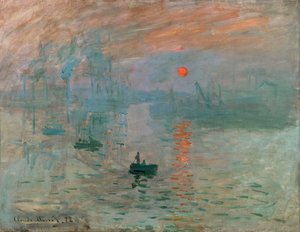
Monet, junto con otros artistas insatisfechos con el sistema conservador del Salón, comenzó a exhibir su obra de forma independiente. La exposición de 1874 organizada por estos artistas se considera un evento histórico en la historia del arte, dando origen al término "Impresionismo". La pintura de Monet “Impression, soleil levant” (Impresión, Amanecer), expuesta en esta muestra, proporcionó el nombre para el movimiento.
Este período vio a Monet desarrollar su estilo distintivo: pinceladas sueltas, colores vibrantes y un enfoque en capturar los momentos fugaces de luz y atmósfera. Pintaba con frecuencia en plein air, trabajando rápidamente para registrar sus impresiones inmediatas del paisaje.
En 1883, Monet se estableció en Giverny, un pueblo al noroeste de París. Compró una casa con un jardín extenso, que transformó en un paraíso elaborado que incluía lirios acuáticos, sauces llorones y puentes japoneses – todos ellos convirtiéndose en temas recurrentes en su arte.
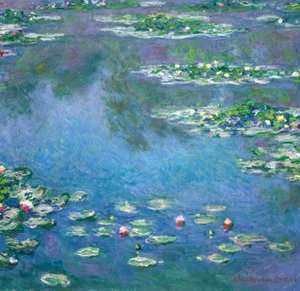
Las últimas décadas de la vida de Monet estuvieron dedicadas principalmente a pintar el estanque de lirios acuáticos de Giverny. Esto resultó en la monumental serie Lirios Acuáticos (Nymphéas), una vasta colección de pinturas que representan los reflejos del estanque y las cambiantes condiciones de luz. Estas obras, caracterizadas por su gran escala e inmersividad, se consideran entre sus mayores logros.
El impacto de Claude Monet en la historia del arte es innegable. No solo lideró el movimiento impresionista, sino que también allanó el camino para la exploración de la subjetividad y la abstracción por parte del arte moderno. Su enfoque en capturar momentos fugaces y la experiencia subjetiva de ver influyó profundamente en las generaciones posteriores de artistas. Su obra continúa inspirando asombro y admiración, consolidando su lugar como una de las figuras más importantes del arte occidental.
Monet murió el 5 de diciembre de 1926, dejando un legado que sigue dando forma a nuestra comprensión de la luz, el color y la belleza del mundo natural. Museos como el Musée d'Orsay y el Musée Marmottan Monet en París albergan importantes colecciones de su obra, asegurando su presencia perdurable en el mundo del arte.
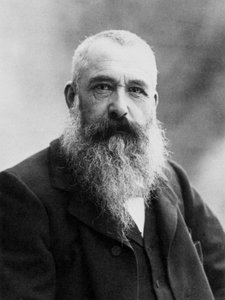
1840 - 1926 , Francia
Descubre las 25 obras maestras de Claude Monet, el padre del impresionismo. Explora la historia, técnica y belleza de sus paisajes, nenúfares y 'Impresión, sole levant'. Encuentra reproducciones de arte exclusivas en BuyPopArt.com.

Descubre los 10 lienzos impresionistas que revolucionaron el arte. Explora la historia de Monet, Van Gogh y Renoir, sus técnicas y colores vibrantes. Encuentra reproducciones de alta calidad para decorar tu hogar en BuyPopArt.com
Descubre los 10 paisajes más emblemáticos de la historia del arte, desde Monet a Van Gogh. Explora su significado, técnica y belleza atemporal. Encuentra reproducciones de alta calidad e inspira tu hogar con BuyPopArt.com.
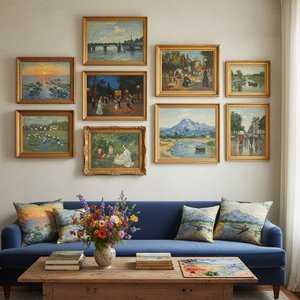
Descubre los 10 lienzos impresionistas que revolucionaron el arte. Monet, Renoir y más… Explora la historia, técnica y belleza de cada obra maestra. Encuentra reproducciones de alta calidad para tu hogar en BuyPopArt.com.

Explore the rich history of landscape art with BuyPopArt. Discover renowned artists, movements like Impressionism & tonalism, and expert guidance for collecting timeless pieces. Find your perfect serene escape today!


Manténgase al día con las últimas noticias de arte, ofertas exclusivas e ideas de decoración.
Cuéntanos sobre tu proyecto y nuestros expertos en arte te ofrecerán 3 sugerencias de obras personalizadas.
Dejamos que nosotros seleccionemos 3 opciones exclusivas para ti – ¡Gratis!


 Vista previa
 Compartir
 Compartir
 Ver detalles

 Descargar
 Ver similares
 Radiografía
 Presentación de diapositivas

 Leer más







 La opción de vidrio solo está disponible en tamaños inferiores a 110 cm.