Una vida inmersa en el realismo polaco: Andrzej Maciej Łubowski
Andrzej Maciej Łubowski, nacido en Poznań, Polonia, el 6 de octubre de 1946, se erige como una figura trascendental dentro del panorama de la pintura polaca contemporánea. Su trayectoria artística comenzó con una formación rigurosa en la Academia de Bellas Artes de Varsovia, donde obtuvo su diploma en 1971 bajo la tutela de Stefan Gierowski, especializándose también en la pintura mural. Esta educación fundacional no solo le dotó de una destreza técnica excepcional, sino que también fomentó un profundo compromiso con las tradiciones del arte representativo, una vocación que definiría su carrera. Tras concluir sus estudios, Łubowski regresó a Poznań, convirtiéndose en un participante activo de la vibrante comunidad artística de la ciudad y estableciándose, eventualmente, como un respetado profesor de bellas artes. Su dedicación trasciende su propia práctica creativa; desempeñó el cargo de director de la Galeria u Jezuitów entre 2008 y 2012, consolidando aún más su papel como dinamizador y defensor del arte en Polonia.
Evolución de un lenguaje visual: Del simbolismo a las visiones panorámicas
El desarrollo artístico de Łubowski ha estado marcado por una serie de fascinantes exploraciones temáticas. Su obra temprana, durante la década de 1980, se inclinaba hacia una imaginería simbólica que sugería preocupaciones sociales y personales más profundas. Esta fase transitó hacia los años 90 con ambiciosas instalaciones pictóricas: obras de gran formato construidas a partir de retratos fragmentados, cortados verticalmente y combinados con bloques de hormigón, conocidas como sus “Decomposiciones”. Estas piezas no eran meros enunciados visuales, sino exploraciones sobre la identidad, la fragmentación y el peso de la historia. Sin embargo, fue en 1999 cuando Łubowski emprendió una trayectoria particularmente significativa con la creación de ‘Imágenes Rotas’ y ‘Objetos Dobles’. Estas obras, que inicialmente presentaban rostros fracturados, evolucionaron hacia monumentales “Panoramas” al ser emparejadas con fondos que representaban tierra excavada, una poderosa metáfora para desenterrar verdades ocultas y confrontar las complejías del paisaje polaco. La serie de 2008, "Presiones", continuó esta exploración de significados estratificados y profundidad psicológica. Simultáneamente, desde 2007, el artista ha desarrollado una serie paralela centrada en figuras situadas bajo la luz, dispuestas frente a ventanas o puertas de cristal; estudios introspectivos que profundizan en la condición humana con una sensibilidad extraordinaria.
Técnica y simbolismo: Un enfoque realista
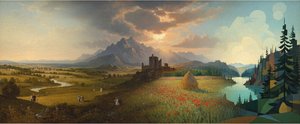
El arte de Łubowski está fundamentalmente arraigado en el realismo, aunque logra trascender la mera imitación. Utiliza la fotografía como un punto de partida crucial para sus pinturas, traduciendo meticulosamente las imágenes al lienzo con una habilidad excepcional. Esta base fotográfica aporta una claridad impactante a su trabajo, pero es la manipulación del artista sobre la luz, la sombra y el color lo que impregna sus escenas de una resonancia emocional profunda. Los grises y los tonos apagados suelen dominar su paleta, creando una atmósfera de melancolía y contemplación. Sus paisajes no son vistas idílicas; con frecuencia resultan inquietantes, perturbados por la construcción, marcados por el deterioro o imbuidos de un sentimiento de aislamiento. El motivo recurrente de las vías del ferrocarril, como se observa en obras como “The Track III”, posee una potencia especial. Estas líneas truncadas simbolizan conexiones rotas, caminos perdientes y la futilidad del progreso. Las figuras solitarias dentro de sus composiciones suelen mostrarse introspectivas, enfrentándose a una realidad desoladora, un eco visual de los errantes románticos de Friedrich, pero anclado en el contexto específico de la Polonia de la posguerra.
Reconocimiento y legado: Un pilar de la comunidad artística
A lo largo de su carrera, Andrzej Maciej Łubowski ha recibido numerosos galardones, incluyendo la Medalla Gloria Artis por la Cultura Meritoria en 2010. Es un miembro activo de la Związek Polskich Artystów Plastyków (ZPAP), la Unión de Artistas Polacos, y continúa exhibiendo extensamente tanto en Polonia como en el extranjero. Sus obras forman parte de colecciones públicas y privadas por todo el país, testimonio de su impacto perdurable en la escena artística. Más allá de sus logros individuales, la influencia de Łubowski reside en su compromiso con la educación —habiendo ejercido como profesor en diversas instituciones, incluyendo la Escuela Superior de Habilidades Sociales en Poznań, la Academia de Bellas Artes de Varsovia y, actualmente, en la Facultad de Arquitectura de la Universidad Tecnológica de Poznań— y su dedicación al fomento del diálogo artístico. No es simplemente un pintor, sino una fuerza vital dentro del arte polaco, moldeando generaciones de artistas e instando a los espectadores a confrontar las complejidades de su mundo con honestidad e introspección.
Significado histórico: Reflejo de la transformación de Polonia
La obra de Łubowski ofrece una crónica visual cautivadora de la transformación de Polonia en la segunda mitad del siglo XX y años posteriores. Sus pinturas no son abiertamente políticas, pero reflejan sutilmente las ansiedades, los desencantos y las esperanzas de una nación que lucha con su pasado mientras forja una nueva identidad. Los paisajes que retrata —a menudo cicatrizados por el desarrollo o acechados por los restos de la historia— sirven como metáforas de los cambios sociales más amplios que están ocurriendo. Su enfoque en la relación del individuo con su entorno apela a temas universales de alienación y pertenencia, pero es su arraigo en el contexto específico de Polonia lo que otorga a su obra un poder único. Logra capturar una sensación de ducha czasu —el espíritu de los tiempos— con una intensidad silenciosa, convirtiéndose en una voz imprescindible para comprender las complejidades de la cultura y el arte polacos contemporáneos.