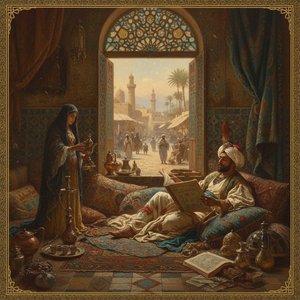
A Pioneer in Portuguese Art
António José da Costa Silva (1840 – 1929) stands as a cornerstone of Portuguese artistic heritage, embodying the spirit of Realism and shaping the trajectory of art education within his nation. Born in Porto, Portugal, Silva’s life was dedicated to fostering creativity and disseminating knowledge—a commitment that profoundly impacted the cultural landscape of his time.
Early Life and Education
Silva’s innate passion for artistic pursuits began early on. Recognizing this inclination, he pursued formal training at the Porto Fine Arts Academy, an institution renowned for its rigorous curriculum and emphasis on technical proficiency. This formative experience instilled in him a pedagogical approach rooted in observation and meticulous craftsmanship—principles that would later define his role as mentor and educator.
Artistic Contributions and Collaborations
Silva’s artistic output was marked by versatility and dedication to capturing the essence of Portuguese life. He established the Centro Artístico Portuense, an ambitious undertaking aimed at nurturing artistic talent amongst aspiring artists in Porto. Furthermore, he actively participated in Arte Portuguesa, Portugal's inaugural national magazine devoted exclusively to visual arts, contributing to its dissemination of critical perspectives on contemporary art trends. His oeuvre includes notable pieces such as “Grapes,” a masterful depiction of still life executed with vibrant color palettes and careful compositional balance—a testament to his mastery of technique—and “Museu Nacional dos Coches”, showcasing Silva’s ability to portray landscapes with remarkable detail and atmospheric depth.
Mentorship and Legacy
Silva's influence extended far beyond his own artistic endeavors. He generously guided the careers of several prominent Portuguese artists, including Henrique Pousão, João Marques de Oliveira, and Artur Loureiro—individuals who subsequently achieved considerable success in their respective fields. Silva’s dedication to nurturing talent ensured that his legacy would endure, shaping the future of Portuguese art for decades to come.
Historical Significance
Silva's passing in 1929 signaled the conclusion of a remarkable artistic journey but cemented his place as an indelible figure in Portugal’s cultural history. He championed Realism as a dominant stylistic movement, prioritizing accurate representation and emotional resonance—values that continue to inspire artists today. His establishment of the Centro Artístico Portuense solidified Portugal's commitment to art education and fostered a vibrant artistic community. Explore more of Silva’s artwork on BuyPopArt.com’s art collections page and delve into the Centro Artístico Portuense’s history and its significance in Portuguese art!