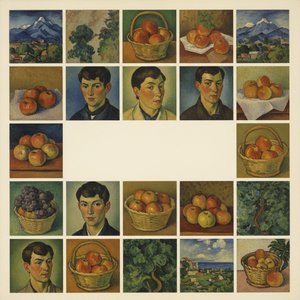
Paul von Franken: A Pioneer of Synthetism and Landscape Painting
Paul von Franken (1819 – 1884) stands as a pivotal figure in the history of German art, particularly during the Romantic era. Born in Dresden, Saxony—a city renowned for its artistic vibrancy and classical heritage—Franken’s formative years were steeped in cultural influences that would profoundly shape his artistic vision. His family's commitment to education instilled in him a deep appreciation for craftsmanship and tradition, values which underpinned his lifelong pursuit of excellence as a painter.
Early Training & Influences: Franken began his artistic journey at the Düsseldorf Academy of Arts, where he honed his skills under the tutelage of Wilhelm Leibl, a staunch advocate of realism and observation. Leibl’s emphasis on capturing the essence of nature—a cornerstone of Romantic aesthetics—proved instrumental in shaping Franken's approach to landscape painting. Leibl instilled in him a meticulous attention to detail, mirroring the classical tradition that dominated Düsseldorf at the time. This grounding in realism served as an essential counterpoint to the burgeoning expressive tendencies of the Romantic movement.
The Caucasus Expeditions: Perhaps Franken’s most celebrated achievement was his involvement in several expeditions to the Caucasus Mountains, undertaken between 1843 and 1853. These journeys provided him with unparalleled inspiration for his artwork, resulting in a prolific output of paintings depicting dramatic mountain vistas, evocative sunsets, and portraits of local inhabitants. The sheer grandeur of the Caucasus—the towering peaks, the turbulent skies—challenged artists to transcend mere representation and convey the sublime experience of encountering such overwhelming beauty. Franken’s canvases captured these moments with breathtaking precision and emotional intensity, cementing his reputation as one of Germany's foremost landscape painters.
Synthetism & Artistic Innovation: Franken’s artistic style—characterized by Synthetism—represented a significant departure from prevailing academic conventions. Synthetism sought to fuse elements of Impressionism and Symbolism, prioritizing emotional expression over meticulous detail. This innovative technique allowed Franken to convey the sublime grandeur of nature while simultaneously exploring psychological depth. Unlike his predecessors who adhered strictly to realistic depiction, Franken embraced a more subjective approach—allowing color and light to imbue his landscapes with mood and atmosphere. He skillfully blended observation with imaginative interpretation, creating images that resonated with both visual splendor and emotional nuance.
Notable Works: Among his most enduring masterpieces are “Landscape in the Caucasus,” a breathtaking depiction of Georgian mountains bathed in golden light; “Oriental Women Bathing,” which captures the beauty and serenity of Eastern landscapes; and numerous portraits reflecting his keen eye for capturing human character. These works exemplify Franken’s mastery of technique—particularly his use of color—and demonstrate his ability to evoke profound emotional responses in viewers. His paintings are housed in museums across Germany, including Zentrum Paul Klee, ensuring that his artistic legacy continues to inspire generations of artists and art lovers alike.
Legacy & Recognition: Franken's influence extended beyond his own lifetime, inspiring subsequent generations of German artists who embraced Synthetism and championed a more expressive style. He is remembered as a visionary artist who helped define the aesthetic sensibilities of the Belle Époque—a period marked by optimism, innovation, and artistic experimentation. Today, Paul von Franken’s paintings stand as enduring symbols of Romantic grandeur and psychological insight—testament to his profound contribution to German art history.