A Coastal Echo: Exploring the Multifaceted Art of Tomás Cunha Ferreira
Tomás Cunha Ferreira’s artistic journey began in Lisbon, Portugal, a city intrinsically linked to the rhythms of the Atlantic Ocean – an influence that permeates his distinctive oeuvre. Born in 1973, Ferreira isn't merely an artist; he’s a conceptual explorer who dismantles conventional boundaries between disciplines, crafting artworks that transcend traditional mediums and invite contemplation on themes of marginality, memory, and the ephemeral beauty of coastal existence.
Early Influences: Ferreira’s formative years were marked by exposure to Portuguese avant-garde movements like Neo-Concrete and Surrealism, fostering a sensibility for experimentation and challenging established artistic conventions. These movements instilled in him a profound appreciation for disrupting stylistic norms and prioritizing conceptual depth over mere visual representation—a cornerstone of his artistic philosophy. He absorbed the spirit of questioning accepted truths and embracing ambiguity as vital components of creative expression.
The Open Circuit Method:
His signature approach – dubbed “open circuit” – distinguishes him from many contemporary artists. It’s not about adhering to a singular style but rather embracing a process of iterative exploration where scores, notations, visual poems, paintings, and sculptural objects intertwine, constantly evolving into new forms. This method reflects Ferreira's belief that art should be dynamic, responsive to its environment, and capable of capturing fleeting moments of experience. He sees these initial prototypes as catalysts for subsequent developments—a deliberate disruption of linear progression toward a final product. These explorations are driven by the conviction that true artistic innovation arises from embracing uncertainty and allowing ideas to unfold organically.
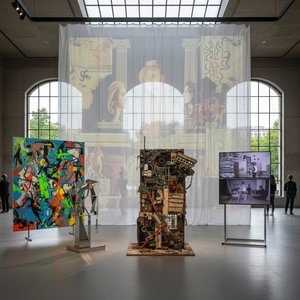
Medium Blending: Ferreira’s works demonstrate remarkable versatility across various media. From meticulously crafted paintings imbued with subtle tonal shifts – often utilizing layering techniques to convey depth and texture—to textured sculptures that evoke the ruggedness of Lisbon’s coastline, he consistently pushes the boundaries of artistic expression. He skillfully combines pigments with materials like stone and resin, creating artworks that engage multiple senses and invite viewers to contemplate materiality alongside conceptual ideas.
Beach Project Cova do Vapor:
Beyond his artistic pursuits, Ferreira actively engages in social commentary through his “Beach Project” at Cova do Vapor, Trafaria – a fisherman’s marginal community situated on Lisbon’s periphery. This project serves as both inspiration and grounding for his art, prompting him to consider the narratives of those often overlooked by mainstream culture. He meticulously documents the daily lives of residents—capturing portraits and landscapes alike—transforming observation into artistic intervention. The Beach Project underscores Ferreira's commitment to artistic integrity alongside a profound empathy for vulnerable communities.
Notable Exhibitions & Recognition: Ferreira’s work has garnered considerable acclaim within Portugal’s artistic landscape. He has showcased his creations in prestigious galleries like Galeria Madrogaa and gained recognition through inclusion in MutualArt’s biographical section—a testament to the resonance of his conceptual explorations and confirming his position as a significant voice within contemporary Portuguese art. This exposure speaks to the importance of fostering dialogue about social responsibility and artistic innovation.
Historical Significance: Ferreira's “open circuit” methodology represents a deliberate rejection of traditional artistic hierarchies. By prioritizing process over product—experimentation over stylistic conformity—he champions an aesthetic that aligns with the spirit of intellectual curiosity and challenges viewers to reconsider established notions of artistic achievement. He stands as a testament to the enduring power of conceptual art in fostering dialogue about social responsibility and artistic innovation, embodying a pivotal shift away from representational concerns toward explorations of thought and feeling. His work continues to inspire artists globally who seek to redefine the role of art within society.