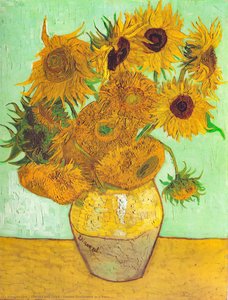
Õlimaal kangaruumilSeinakunstPost-Impressionism
 188919. sajus
 73.0 x 60.0 cm
Meie kunstnike poolt tellimusel valmistatud käsitsi maalitud õli-kainaste teos teie soovitud suuruses ja raamis. ( Lülita trükile Vaata pilti)





























Vali meie eelmääratud suurused, mis vastavad teose algupärastele proportsioonidele.

Sa võite sisestada oma mõõtmed konkreetse raami või ruumi sobivuse tagamiseks. Kui teie valitud suurus ei vasta originaalpildi proportsioonidele, siis kärvime kunstiteost või laiendame maali täiendavate käsitsi maalitud elementidega. Enne tootmise algust saadetakse teile heakskiitmiseks digitaalne eelvaade.
Palun pidage meeles, et ekraanil kuvatav eelvaade ei kajasta tegelikku kärpimist või laiendamist. Ainult eelvaade näitab täpselt lõplikku kompositsiooni.
Kuigi on saadaval kohandatud suurused, soovitame originaalproportsioonide säilimiseks valida mõõdud eelmääratletud nimekirjast.
Maailmline tarne 3–4 nädala jooksul tavalise 5 nädala asemel. (10 august). Kvaliteedis kompromisse ei tehta.


The Walk - Falling Leaves
Reproduktsiooni suurus
Vincent van Gogh's "The Walk – Falling Leaves," painted in 1889 during his time at the Saint-Paul-de-Mausole asylum in Saint-Rémy, is more than just a landscape; it’s a profound exploration of solitude, memory, and the transient beauty of nature. This oil on canvas, measuring 73 x 60 cm, captures a pivotal moment – a solitary figure traversing a path enveloped by a cascade of vibrant autumn foliage. The painting immediately draws the viewer in with its rich palette and dynamic brushstrokes, hallmarks of Van Gogh’s distinctive post-impressionist style. It's a work that speaks to both the artist’s internal struggles and his enduring fascination with the natural world, offering a glimpse into the emotional landscape of a troubled genius.
The scene unfolds along a winding path, leading the eye through a dense collection of trees whose branches are laden with falling leaves. These aren't simply rendered as autumnal colors; they’re imbued with an almost feverish intensity – fiery reds, deep oranges, and golden yellows collide and blend, creating a sense of movement and decay. The artist masterfully employs chiaroscuro, the dramatic contrast between light and shadow, to sculpt the forms of the trees and create a palpable depth within the composition. Notice how Van Gogh uses short, broken brushstrokes to build up texture and volume, particularly in the foliage, giving it an almost tactile quality. The path itself is rendered with a looser, more expressive touch, suggesting both the journey and the uncertainty that lies ahead.
"The Walk – Falling Leaves” is rich in symbolic meaning. The falling leaves themselves represent the passage of time, mortality, and the cyclical nature of life and death. Van Gogh was deeply preoccupied with these themes during his stay at Saint-Rémy, grappling with his own mental illness and contemplating his place in the world. The solitary figure could be interpreted as a representation of Van Gogh himself – a man searching for meaning and connection amidst personal turmoil. The path he walks symbolizes a journey, perhaps one of self-discovery or spiritual seeking.
Interestingly, this painting was created shortly after Van Gogh’s tumultuous relationship with Paul Gauguin ended in Arles. The intensity of the colors and the sense of isolation might reflect the emotional fallout of that experience. However, despite the underlying melancholy, there’s also a sense of hope and renewal suggested by the vibrant autumn foliage – a reminder that even in decay, beauty can be found.
"The Walk – Falling Leaves” firmly establishes Van Gogh as a key figure within the post-impressionist movement. Rejecting the objective representation of Impressionism, he prioritized expressing his subjective emotions and perceptions through color, form, and brushstroke. His work was influenced by Japanese woodblock prints (Ukiyo-e), which encouraged flattened perspectives and bold compositions – elements that are evident in this painting. Furthermore, Van Gogh’s exploration of light and shadow, a technique known as chiaroscuro, draws upon the traditions of Renaissance masters like Rembrandt, but he adapts it to his own expressive purposes.
The painting's emotional intensity and innovative use of color and brushstroke paved the way for future generations of artists, including Expressionists who sought to convey inner feelings through distorted forms and vibrant hues. It’s a testament to Van Gogh’s ability to transform ordinary scenes into powerful expressions of human experience.
BuyPopArt offers meticulously crafted, hand-painted reproductions of "The Walk – Falling Leaves," allowing art lovers to bring this iconic masterpiece into their own homes. Our skilled artisans replicate Van Gogh’s distinctive style with the utmost care and attention to detail, ensuring that each reproduction captures the painting's original beauty and emotional impact. Whether you are a seasoned collector or simply seeking to add a touch of artistic inspiration to your space, our reproductions provide an authentic and affordable way to experience the genius of Vincent van Gogh. Explore other works by Van Gogh on BuyPopArt, or delve deeper into the history of oil on canvas with our informative resource: The Art Media Oil On Canvas.
movement: Post-Impressionism topics: Fall, Trees, Path, Man, Autumn, Landscape, Color, Nature creative_period: Late Period corpus_context: Dutch Masters influence, Japanese woodblock prints, Rural life depiction, Emotional intensity, Nature’s beauty capture, Post-Impressionist style, Arles period reflection, Personal struggle theme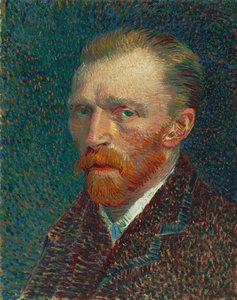
1853 - 1890 , Holland

Explore the profound evolution of art from Impressionism to Post-Impressionism. Discover how masters like Van Gogh revolutionized color and emotion, shaping modern art history through structural innovation and expressive technique.


Püsige kursis viimaste kunstiuudistega, eksklusiivsete pakkumistega ja sisustamisideetega.
Kirjeldage meile oma projekti ja meie kunstieksperdid pakuvad teile 3 isikupärast kunstiettepanekut.
Laske meil koostada just teile mõeldud 3 valikut – tasuta!


 Eelvaade
 Saada
Saada Jaga
Jaga
 Teave teose kohta

 Laadi alla
 Sarnased teosed
 Röntgenuuring
 Slaidietendus
 Loe lähemalt







 Klaasivalik on saadaval ainult suuruses kuni 110 cm