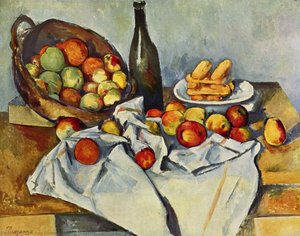
Meie kunstnike poolt tellimusel valmistatud käsitsi maalitud õli-kainaste teos teie soovitud suuruses ja raamis. ( Osta print Osta pilt)





























Vali meie eelmääratud suurused, mis vastavad teose algupärastele proportsioonidele.

Sa võite sisestada oma mõõtmed konkreetse raami või ruumi sobivuse tagamiseks. Kui teie valitud suurus ei vasta originaalpildi proportsioonidele, siis kärvime kunstiteost või laiendame maali täiendavate käsitsi maalitud elementidega. Enne tootmise algust saadetakse teile heakskiitmiseks digitaalne eelvaade.
Palun pidage meeles, et ekraanil kuvatav eelvaade ei kajasta tegelikku kärpimist või laiendamist. Ainult eelvaade näitab täpselt lõplikku kompositsiooni.
Kuigi on saadaval kohandatud suurused, soovitame originaalproportsioonide säilimiseks valida mõõdud eelmääratletud nimekirjast.
Maailmline tarne 3–4 nädala jooksul tavalise 5 nädala asemel. (14 august). Kvaliteedis kompromisse ei tehta.


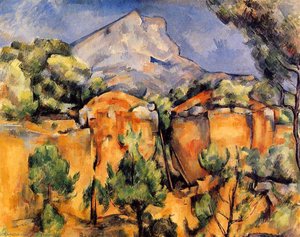
Mont Sainte-Victoire Seen from Les Lauves: Paul Cézanne’s ikoniline maastik, mida eksponeeritakse Kunstmuseum Baselis, näitab tema revolutsiooni stiili ja mõju tänapäeva kunstile. Cézanne oli suur kunstniku mõjuharu, kes sillutas vahet impressionismi kiir
Reproduktsiooni suurus
Paul Cézanne's *Mont Sainte-Victoire Seen from Les Lauves*, painted in 1904, isn’t merely a landscape; it’s a profound meditation on perception and the very nature of seeing. Housed within the Kunstmuseum Basel, this oil on canvas invites us into a world where the familiar—a mountain bathed in sunlight—transforms through Cézanne's unique lens, becoming something both deeply rooted in reality and exquisitely abstract. The painting captures a pivotal moment in art history, bridging the gap between Impressionism’s fleeting moments of light and color and the nascent explorations of Cubism that would soon reshape modern aesthetics. It’s a testament to Cézanne’s relentless pursuit of distilling the essence of form, stripping away extraneous detail to reveal the underlying geometric structure of the natural world.
The scene itself is deceptively simple: Mont Sainte-Victoire, a towering presence in the Provençal landscape, dominates the composition. Yet, Cézanne doesn't present us with a photographic likeness. Instead, he employs a masterful orchestration of color and brushwork to create an illusion of depth and volume. The lush greenery surrounding the mountain isn’t rendered with delicate pastel hues; rather, it’s built up from bold, textured strokes—a deliberate rejection of Impressionist techniques that sought to capture the immediate impression of light. Notice how Cézanne uses varying shades of green and blue to suggest distance and atmospheric perspective, creating a sense of receding space despite the relatively flat composition. Scattered throughout the landscape are figures – likely locals enjoying the view – rendered with minimal detail, almost as secondary elements within the larger geometric framework of the painting. They serve not as subjects but as anchors, grounding us in the scene while Cézanne’s primary focus remains firmly on the mountain itself.
Cézanne's revolutionary approach to representation stemmed from a deep-seated desire to understand and depict the *underlying structure* of natural forms. He believed that art should capture not just what we see but how we *perceive* it—the essential shapes and relationships that define an object. This philosophy is vividly demonstrated in *Mont Sainte-Victoire Seen from Les Lauves*. The mountain isn’t simply a collection of rocks and trees; it's constructed from interlocking planes, each rendered with carefully considered brushstrokes. Cézanne’s use of color—particularly the interplay between warm yellows and cool blues—further emphasizes this sense of geometric construction. He deliberately distorted the forms of the mountain, subtly exaggerating certain angles and contours to create a more dynamic and visually compelling composition. This wasn't an attempt at mere representation but rather a conscious effort to translate his internal understanding of the landscape onto canvas.
The historical context surrounding *Mont Sainte-Victoire Seen from Les Lauves* is crucial to appreciating its significance. Cézanne was working during a period of immense artistic ferment, as Impressionism began to wane and new movements—including Post-Impressionism—were emerging. Artists like Cézanne, Gauguin, and Van Gogh were rejecting the limitations of traditional academic art and experimenting with new ways of seeing and representing the world. Cézanne’s work directly influenced the development of Cubism, particularly Picasso's early analytical period, where artists began to break down objects into their fundamental geometric forms. The influence extends beyond painting; Cézanne’s emphasis on structure and form paved the way for developments in sculpture and architecture as well. Consider, too, how this work resonates with Matisse’s *Lecon musique*, a vibrant exploration of color and form that shares Cézanne's interest in capturing the essence of natural subjects through simplified shapes and bold hues.
The legacy of *Mont Sainte-Victoire Seen from Les Lauves* extends far beyond its artistic merits. It represents a fundamental shift in how we perceive and represent reality—a move away from mere imitation towards a more subjective and expressive form of art. Reproductions of this masterpiece offer a unique opportunity to bring Cézanne’s revolutionary vision into your home, allowing you to experience the same sense of wonder and contemplation that he sought to capture on canvas. Discover more about the artworks of Pontefract Museum, United Kingdom: Discovering the Artworks of Pontefract Museum, United Kingdom.
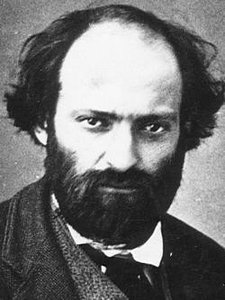
1839 - 1906 , Prantsusmaa

Explore the profound evolution of art from Impressionism to Post-Impressionism. Discover how masters like Van Gogh revolutionized color and emotion, shaping modern art history through structural innovation and expressive technique.


Püsige kursis viimaste kunstiuudistega, eksklusiivsete pakkumistega ja sisustamisideetega.
Kirjeldage meile oma projekti ja meie kunstieksperdid pakuvad teile 3 isikupärast kunstiettepanekut.
Laske meil koostada just teile mõeldud 3 valikut – tasuta!


 Eelvaade
 Saada
Saada Jaga
Jaga
 Teave teose kohta

 Laadi alla
 Sarnased teosed
 Röntgenuuring
 Slaidietendus

 Loe lähemalt







 Klaasivalik on saadaval ainult suuruses kuni 110 cm