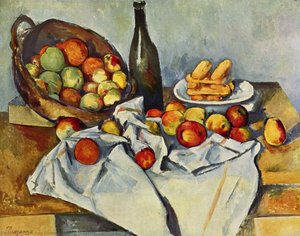
Õlimaal kangaruumilSeinakunstPost-Impressionism
 186519. sajus
 59.0 x 76.0 cm
Meie kunstnike poolt tellimusel valmistatud käsitsi maalitud õli-kainaste teos teie soovitud suuruses ja raamis. ( Lülita trükile Vaata pilti)





























Vali meie eelmääratud suurused, mis vastavad teose algupärastele proportsioonidele.

Sa võite sisestada oma mõõtmed konkreetse raami või ruumi sobivuse tagamiseks. Kui teie valitud suurus ei vasta originaalpildi proportsioonidele, siis kärvime kunstiteost või laiendame maali täiendavate käsitsi maalitud elementidega. Enne tootmise algust saadetakse teile heakskiitmiseks digitaalne eelvaade.
Palun pidage meeles, et ekraanil kuvatav eelvaade ei kajasta tegelikku kärpimist või laiendamist. Ainult eelvaade näitab täpselt lõplikku kompositsiooni.
Kuigi on saadaval kohandatud suurused, soovitame originaalproportsioonide säilimiseks valida mõõdud eelmääratletud nimekirjast.
Maailmline tarne 3–4 nädala jooksul tavalise 5 nädala asemel. (5 august). Kvaliteedis kompromisse ei tehta.


Paul Cézanne’i lõunaöö müüki – rahutu revolutsiooni vaikne kujundus
Reproduktsiooni suurus
Paul Cézanne’s “Still Life with Bread and Eggs,” painted in 1865, isn’t merely a depiction of everyday objects; it’s a pivotal moment in the evolution of modern art. More than just a charming arrangement of loaf, eggs, and simple vessels, this work embodies Cézanne's radical departure from academic tradition and his pioneering exploration of form and color – a quiet revolution captured on canvas. Housed within the Cincinnati Art Museum, it stands as a testament to an artist who fundamentally reshaped how we perceive and represent the world around us.
Cézanne’s early artistic journey was deeply influenced by Romanticism and the Barbizon School, where artists sought inspiration in the grandeur of nature. However, Cézanne swiftly rejected these conventions, recognizing their limitations in conveying the essence of reality. Unlike his predecessors who meticulously rendered surfaces with painstaking detail, Cézanne embarked on a quest to distill objects down to their fundamental geometric shapes – a bold move that would propel him toward the groundbreaking innovations of Post-Impressionism.
“Still Life with Bread and Eggs” exemplifies this transformative approach. Cézanne meticulously dissected each element—the bread, the eggs, the cups—isolating their essential planes and contours. Notice how the loaf isn’t presented as a single form but rather as a series of overlapping rectangles, suggesting volume and weight – a technique that anticipates the geometric abstraction championed by artists like Picasso and Mondrian decades later. This deliberate simplification wasn't simply about accuracy; it was about capturing the underlying structure of things, revealing their inherent solidity and presence.
The artist’s brushstrokes aren’t blended smoothly to create illusions of depth; instead, they are applied in short, decisive marks that build up planes of color. This technique—characteristic of Cézanne's distinctive style—creates a textured surface that vibrates with energy and invites the viewer to contemplate the painting on a deeper level.
While Cézanne initially absorbed Impressionistic color theory – utilizing broken brushstrokes to capture fleeting light—he soon moved beyond mere observation, recognizing color’s capacity to define shape and volume. The muted tones of ochre, brown, and gray dominate the palette, harmoniously blending together to create a balanced composition. These colors aren't used to reproduce what Cézanne sees; they are employed strategically to convey his understanding of how light interacts with matter.
Consider the subtle variations in hue across the surface of the bread – Cézanne’s masterful manipulation of color contributes significantly to its perceived weight and dimensionality. This approach represents a decisive break from Impressionism's focus on capturing atmospheric effects, prioritizing instead the artist’s intellectual grasp of visual perception.
Initially, Cézanne’s unconventional style faced considerable resistance from critics who adhered to academic standards. Yet, a select group of fellow artists—including Camille Pissarro and Ambroise Vollard—recognized his genius and championed his work. In 1895, Vollard organized the first solo exhibition of Cézanne’s paintings in Paris, which dramatically shifted public opinion and established him as a pivotal figure in artistic history.
The impact of Cézanne on subsequent generations of artists is undeniable. Henri Matisse and Pablo Picasso acknowledged him as “the father of us all,” recognizing his profound influence on their own creative endeavors. “Still Life with Bread and Eggs” remains an enduring symbol of artistic innovation—a masterpiece that continues to inspire painters and sculptors worldwide.
At BuyPopArt, we are proud to offer meticulously crafted, hand-painted reproductions of Paul Cézanne’s “Still Life with Bread and Eggs.” These aren't simply prints; they are faithful recreations of the original painting, capturing its subtle nuances, rich textures, and emotional depth. Each reproduction is created by skilled artists who share a deep appreciation for Cézanne’s legacy. Owning a BuyPopArt reproduction allows you to bring this iconic work into your home or office, celebrating the enduring power of art and the genius of Paul Cézanne.
Explore our collection today and discover the perfect way to experience “Still Life with Bread and Eggs” – a timeless masterpiece that continues to resonate with viewers across generations. Browse the Collection
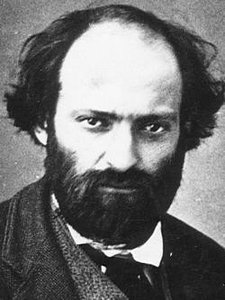
1839 - 1906 , Prantsusmaa

Explore the profound evolution of art from Impressionism to Post-Impressionism. Discover how masters like Van Gogh revolutionized color and emotion, shaping modern art history through structural innovation and expressive technique.


Püsige kursis viimaste kunstiuudistega, eksklusiivsete pakkumistega ja sisustamisideetega.
Kirjeldage meile oma projekti ja meie kunstieksperdid pakuvad teile 3 isikupärast kunstiettepanekut.
Laske meil koostada just teile mõeldud 3 valikut – tasuta!


 Eelvaade
 Saada
Saada Jaga
Jaga
 Teave teose kohta

 Laadi alla
 Sarnased teosed
 Röntgenuuring
 Slaidietendus
 Loe lähemalt







 Klaasivalik on saadaval ainult suuruses kuni 110 cm