Õlimaal kangaruumilSeinakunstBarok
 1622Renessanss
 394.0 x 295.0 cm
 Louvre'i muuseum
Meie kunstnike poolt tellimusel valmistatud käsitsi maalitud õli-kainaste teos teie soovitud suuruses ja raamis. ( Lülita trükile Vaata pilti)





























Vali meie eelmääratud suurused, mis vastavad teose algupärastele proportsioonidele.

Sa võite sisestada oma mõõtmed konkreetse raami või ruumi sobivuse tagamiseks. Kui teie valitud suurus ei vasta originaalpildi proportsioonidele, siis kärvime kunstiteost või laiendame maali täiendavate käsitsi maalitud elementidega. Enne tootmise algust saadetakse teile heakskiitmiseks digitaalne eelvaade.
Palun pidage meeles, et ekraanil kuvatav eelvaade ei kajasta tegelikku kärpimist või laiendamist. Ainult eelvaade näitab täpselt lõplikku kompositsiooni.
Kuigi on saadaval kohandatud suurused, soovitame originaalproportsioonide säilimiseks valida mõõdud eelmääratletud nimekirjast.
Maailmline tarne 3–4 nädala jooksul tavalise 5 nädala asemel. (10 august). Kvaliteedis kompromisse ei tehta.


Maria Stuardi ja Henriku IV kohtumine Lyo
Reproduktsiooni suurus
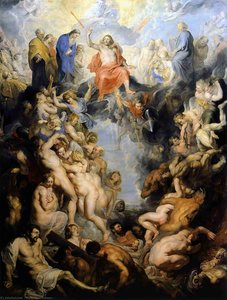
Peter Paul Rubens' "The Meeting of Marie de Médicis and Henri IV at Lyon," painted in 1622, is more than just a historical record; it’s a vibrant explosion of Baroque energy, a testament to the artist’s mastery of color, composition, and the dramatic portrayal of power. Housed within the hallowed halls of the Musée du Louvre, this monumental oil on canvas invites us into a pivotal moment in French history – the carefully orchestrated meeting between the Queen Mother and the young King Henri IV, a union designed to solidify the stability of the realm after years of religious strife.
Rubens, deeply influenced by his time spent absorbing the artistic legacy of Italy, particularly the dramatic realism championed by Caravaggio, infused this scene with an immediate sense of movement and theatricality. The figures aren’t static portraits; they are caught in a dynamic exchange, radiating authority and carefully constructed diplomacy. Henri IV, clad in a commanding red robe – a color traditionally associated with royalty and power – dominates the left side of the composition, his posture exuding confidence and leadership. Opposite him, Marie de Médicis is rendered with a more restrained elegance, her attire suggesting both her regal status and the weight of responsibility she carried as Queen Mother.
The painting’s brilliance lies not only in its subject matter but also in Rubens' masterful technique. He employs a complex layering of colors – rich reds, deep blues, and shimmering golds – to create an astonishingly realistic depiction of texture and light. Note the meticulous detail lavished upon the fabrics, the subtle nuances of expression on the faces, and the way he captures the movement of the horse at the base of the scene, adding a crucial element of dynamism. The use of *tenebrism*, a technique characterized by strong contrasts between light and dark, further intensifies the drama and draws the viewer’s eye to the central figures.
The meeting depicted in “The Meeting of Marie de Médicis and Henri IV at Lyon” was a carefully calculated event. Following decades of religious conflict between Catholics and Protestants, France desperately needed a symbol of unity. Henri IV’s ascension to the throne as a Protestant who had converted to Catholicism – earning him the moniker "Father of his Country" – represented a crucial step towards reconciliation. This painting serves as a visual embodiment of that aspiration, portraying the Queen Mother and King as symbols of a united France, ready to face the challenges ahead.
Beyond the immediate political context, the scene also reflects the broader cultural currents of the era. Rubens was deeply interested in classical mythology and history, and his work frequently drew inspiration from these sources. The composition itself echoes Renaissance depictions of historical gatherings, while the figures’ gestures and expressions are imbued with a sense of formality and dignity reminiscent of courtly portraiture. The inclusion of the horse is particularly significant; it symbolizes power, nobility, and the military strength of the French monarchy.
Rubens masterfully employs symbolism throughout the painting to convey deeper meanings. The red robe worn by Henri IV isn’t merely a signifier of royalty; it also represents his role as a protector of the realm, a warrior defending France from its enemies. Marie de Médicis' more subdued attire suggests her role as a mediator and diplomat, a figure who seeks to bridge divides and foster harmony. The positioning of the figures – Henri IV slightly closer to the viewer – subtly reinforces his authority and importance.
Furthermore, Rubens’ use of perspective creates a sense of depth and spatial complexity. The receding lines of the architecture in the background draw the eye towards the central figures, while the carefully arranged grouping of figures within the foreground establishes a clear hierarchy of importance. The overall composition is meticulously balanced, reflecting the artist's commitment to achieving visual harmony.
“The Meeting of Marie de Médicis and Henri IV at Lyon” stands as a prime example of Peter Paul Rubens’ unparalleled artistic skill and his profound impact on the development of Baroque painting. It is a dynamic, emotionally charged depiction of a pivotal historical event, rendered with breathtaking technical virtuosity. Today, this monumental work continues to captivate viewers with its vibrant colors, dramatic composition, and enduring message of unity and reconciliation. For those seeking to experience the grandeur of the Baroque era firsthand, reproductions of this masterpiece offer a remarkable opportunity to bring this iconic painting into your home – a testament to the power of art to capture history and evoke emotion.
Size: 394 x 295 cm
Date: 1622
Artist: Peter Paul Rubens (1577-1640)
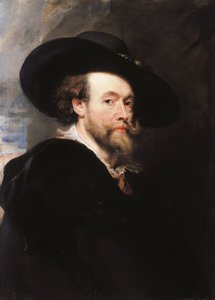
1577 - 1640 , Saksa
Avastage Henri Matisse 25 ikoonilist teost! Sukelduge värviküllase Fauvismi maailma, modernse kunsti ajaloosse ja inspireerige oma interjööri. Kvaliteetsed kunstireprodutsioonid BuyPopArt.com-is. Avasta kogu kollektsioon online!
Avastage Francisco Goya 25 parimat teost! Sukelduge Hispaania kunsti, romantismisse ja portree maalide maailma. Leidke inspiratsiooni kodudekoriks BuyPopArt.com-is – kvaliteetsed kunstireproduktsioonid ja kollektsioonid.

APS ofrece reproducciones de bellas artes y encargos personalizados desde 2004. Confían en nosotros corporaciones, hoteles y coleccionistas selectos para obras de arte de calidad museística, servicio discreto y soluciones artísticas completas. ¡Póngase en contacto con nosotros para obtener un presupuesto personalizado!

Découvrez notre histoire ! Nous apportons l'art de classe mondiale dans votre vie grâce à une sélection experte, des créations personnalisées et des aperçus gratuits. Approuvé par les particuliers et les entreprises depuis 2000.

Explore 10 Fauvist masterpieces by Matisse, Derain & Vlaminck that ignited Modern Art! Discover bold colors, expressionist landscapes & the history of this revolutionary movement. Find museum-quality prints at BuyPopArt.com.


Püsige kursis viimaste kunstiuudistega, eksklusiivsete pakkumistega ja sisustamisideetega.
Kirjeldage meile oma projekti ja meie kunstieksperdid pakuvad teile 3 isikupärast kunstiettepanekut.
Laske meil koostada just teile mõeldud 3 valikut – tasuta!


 Eelvaade
 Saada
Saada Jaga
Jaga
 Teave teose kohta

 Laadi alla
 Sarnased teosed
 Röntgenuuring
 Slaidietendus
 Loe lähemalt







 Klaasivalik on saadaval ainult suuruses kuni 110 cm