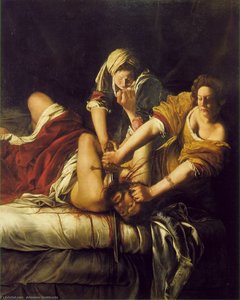
Artemisia Gentileschi – A Daughter of Rome: The Life and Art of Artemisia Gentileschi
Artemisia Gentileschi’s name echoes through the halls of art history, resonating not simply as that of a painter, but as an emblem of resilience, defiance, and extraordinary artistic talent in a world determined to silence female voices. Born in Rome in 1593, she entered a milieu steeped in artistry—her father, Orazio Gentileschi, was a respected painter deeply influenced by the revolutionary realism of Caravaggio. From her earliest years, Artemisia’s gift was undeniable, nurtured within her father's workshop where she absorbed techniques of composition and the dramatic use of light and shadow that would become hallmarks of her distinctive style. This formative training wasn’t merely about mastering brushstrokes; it was an immersion into a world of artistic ambition, one typically closed to women. Recognizing his daughter’s exceptional talent, Orazio provided opportunities unavailable to most females of the era, allowing her to study from life models—a crucial step in developing anatomical accuracy and expressive power.
Early Life and Artistic Training
Artemisia was born into a family deeply rooted in artistic tradition. Her father, Orazio Gentileschi, was a prominent painter who had embraced Caravaggio’s groundbreaking approach of combining realism with theatrical drama—a stylistic influence that would profoundly shape Artemisia's own artistic vision. Despite facing considerable obstacles as a woman pursuing an artistic career during the Baroque period, Orazio recognized his daughter’s extraordinary potential and ensured she received comprehensive training. She began her artistic education in her father’s workshop alongside her siblings, absorbing invaluable knowledge about pigment preparation, brushwork techniques, and compositional strategies. This early exposure to art instilled in her a lifelong passion for observation and experimentation—qualities that would ultimately define her distinctive style.
The Influence of Caravaggio and Artistic Development
Caravaggio’s dramatic use of tenebrism—the stark contrast between light and darkness—became a cornerstone of Artemisia's artistic aesthetic. Like her father, she adopted this technique, skillfully manipulating chiaroscuro to heighten emotional impact and create scenes imbued with palpable tension. However, Artemisia didn’t merely imitate Caravaggio; she forged her own unique voice, characterized by a raw psychological depth and a compelling focus on female subjects often depicted with unprecedented agency and strength. Her early works demonstrate an astonishing command of anatomy and expressive gesture—skills honed through meticulous study from life models.
Major Achievements: Bold Narratives and Female Portraits
Artemisia Gentileschi achieved remarkable success as an artist during her lifetime, establishing herself as one of the foremost painters of her era. Her canvases are renowned for their dramatic narratives—particularly depictions of biblical scenes featuring courageous women—and for their unflinching portrayal of human emotion. She tackled challenging themes with unwavering conviction and artistic brilliance, demonstrating a mastery of technique that captivated audiences and cemented her legacy as a pioneer in Baroque art. Among her most celebrated works are *Judith Slaying Holofernes*, *Susanna and the Elders*, and *Danaë*, each infused with Caravaggio’s tenebristic style and imbued with psychological complexity.
Legacy: A Feminist Icon
Artemisia Gentileschi's story transcends mere artistic achievement; it embodies a courageous defiance of societal constraints—a refusal to accept limitations imposed upon women in pursuit of their ambitions. Her unwavering determination to pursue her craft despite facing adversity served as an inspiration for countless aspiring artists—particularly female painters—who followed in her footsteps. Today, Artemisia Gentileschi is recognized as a pivotal figure in feminist art history—a symbol of resilience and artistic triumph who challenged conventions and paved the way for greater recognition of women’s contributions to the visual arts.