Pregledaj u stvarnoj veličiniPregledaj u stvarnoj veličini AR pregledAR pregled Kupi print Kupi printKupi digitalnu sliku Kupi digitalnu sliku PošaljiPošalji
Detalji o umjetničkom djeluDetalji o umjetničkom djelu Dodaj u omiljene Dodaj u omiljene PreuzmiPreuzmi Slični predmetiSlični predmeti Rentgenska snimkaRentgenska snimka Automatska prezentacijaAutomatska prezentacija

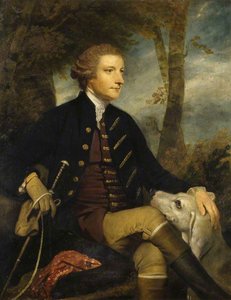
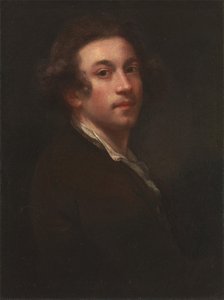
Montagu Edmund Parker of Whiteway

Sir Joshua Reynolds' captivating portrait of Montagu Edmund Parker showcases aristocratic elegance & refined style. A stunning glimpse into 18th-century British society through masterful brushstrokes.

Sir Joshua Reynolds (1723-1792): Najpoznatiji engleski slikar stoljeća XVIII., poznat po svom velikom stilu koji je elegantno prikazao aristokratsku kulturu i oblikovao britansko umjetničstvo. Slikar portreta koji je osvojio srca mnogih kritičara i kolekcionara.

Ručno rađena uljana reprodukcija

Ručno oslikano uljanim bojama na platnu u dimenzijama i okviru po vašem izboru, izrađeno po narudžbi od strane naših umjetnika. (Kupi print Kupi printKupi digitalnu sliku Kupi digitalnu sliku)

P118B $10
P118H $10
P118W $10
P438Z $10
P508JH $12
P508YH $12
P805H $10
P805Z $10
P919BZ $10
P919G $10
P919XJ $10
P959ZH $10
P968JZ $12
W106C $8
W218G $10
W218JH $8
W218Y $10
W307PJ $10
W316G $10
W316PJ $8
W316Y $10
W398PJ $8
W4111J $10
W500HY $15
W500JH $15
W692G $12
W849H $8
W940BG $15
W953PJ $8

Standard
custom
CM
INCH

Odaberite jednu od naših unaprijed definiranih veličina koje odgovaraju izvornim proporcijama umjetničkog djela.

širina
visina

Možete unijeti vlastite dimenzije kako bi odgovarale određenom okviru ili prostoru. Ako odabrana veličina ne odgovara proporcijama izvorne slike, izrezat ćemo umjetničko djelo ili proširiti sliku dodatnim ručno oslikanim elementima. Digitalni nacrt bit će vam poslan na odobrenje prije početka proizvodnje.
Imajte na umu da pregled na ekranu ne prikazuje stvarno izrezivanje ili proširivanje. Samo će nacrt točno prikazati konačni sastav.
Iako su dostupne prilagođene veličine, preporučujemo odabir dimenzije s preddefiniranog popisa kako bismo očuvali izvorne proporcije.

Primjeri mogućnosti prilagodbe: Zamijenite lice fotografijom klijenta; Dodajte ljubimca (npr. zamijenite mačku psom); Uključite skrivenu poruku u pozadinu; Promijenite pejzaž ili elemente pozadine.
Nakon narudžbe, tim BuyPopArt.com kontaktirat će klijenta putem e-pošte radi dobivanja uputa te dostaviti probni prikaz (mockup).

Isporuka širom svijeta () u roku od 3-4 tjedna umjesto standardnih 5 tjedana. (12 Kolovoz). Bez kompromisa u kvaliteti.

why_choose_icon
Besplatna ekspresna dostava širom svijeta
why_choose_icon
Visokokvalitetno laneno platno
why_choose_icon
Potpuno osiguranje dostave
why_choose_icon
Jamstvo povrata carine i uvoznih poreza
why_choose_icon
Garancija vjernog podudaranja boja
why_choose_icon
Politika povrata u roku od 60 dana (samo u slučaju nedostataka)
why_choose_icon
Jamstvo povrata 100% novca
why_choose_icon
Popust na više proizvoda

Ukupna cijena

$ 288

reproduction

Montagu Edmund Parker of Whiteway

Tehnika reprodukcije

Veličina reprodukcije

-

Ukupna cijena

$ 288

Osnovne informacije

  • Title: Montagu Edmund Parker of Whiteway
  • Influences: Reynolds
  • Artistic style: Neoclassical, Portrait
  • Notable elements or techniques: Portraiture, Red trim
  • Artist: Sir Joshua Reynolds
  • Medium: Oil on canvas
  • Year: 1768

Kviz o umjetnosti

Svako pitanje ima samo jedan točan odgovor.

Pitanje 1:
What is the primary subject depicted in Sir Joshua Reynolds’s portrait of Montagu Edmund Parker?
Pitanje 2:
The painting features several symbolic elements. What does the sword on the left side likely represent?
Pitanje 3:
In what century was this portrait painted?
Pitanje 4:
The painting is attributed to which renowned British artist?
Pitanje 5:
What is the significance of the book visible in the image?

Opis umjetničkog djela

The Gaze and the Grand Style: Sir Joshua Reynolds’s Portrait of Montagu Edmund Parker

Sir Joshua Reynolds's portrait of Montagu Edmund Parker, painted in 1768, is more than a simple likeness; it’s a meticulously constructed tableau vivant – a snapshot of aristocratic life during the height of the Enlightenment. The painting immediately commands attention with its formal composition and the sitter’s direct, unwavering gaze. Parker, dressed in the rich blue uniform indicative of his military service and adorned with the subtle crimson trim of a gentleman's attire, stands before a wall bearing another painted scene, creating an intriguing dialogue between the present moment and a carefully curated past. The inclusion of two swords – one on either side of the frame – speaks to Parker’s status as a man of action, a soldier, and a member of the landed gentry, while the book nestled near his feet suggests intellectual pursuits and a cultivated mind.

  • Subject & Context: The portrait depicts Montagu Edmund Parker (1737-1813), a prominent figure in Devon society. His lineage traced back to the influential Parker family, known for their involvement in local governance and land ownership. The painting offers a rare glimpse into the world of a landed gentleman during a period of significant social and political change.
  • Style & Technique: Reynolds’s masterful use of the “Grand Style” is evident throughout. He eschews mere representation, instead employing idealized forms, carefully balanced compositions, and subtle gradations of light and shadow to create an atmosphere of dignified composure. The meticulous attention to detail – from the texture of Parker's uniform to the reflection in his spectacles – demonstrates Reynolds’s technical prowess.

The Language of Portraiture: Symbolism and Social Significance

Beyond its aesthetic qualities, the portrait is laden with symbolic meaning. The positioning of Parker before the painted scene suggests a contemplation of history and tradition, reflecting the importance placed on lineage and legacy within aristocratic circles. His direct gaze, unwavering and slightly challenging, invites the viewer to engage in a silent dialogue – a subtle assertion of status and self-assuredness. The inclusion of the swords isn’t merely decorative; they represent Parker's military service and his role as a protector of order and authority. Even the book, open on the floor, hints at intellectualism and a commitment to learning—a valued trait in an educated gentleman.

The choice of blue for Parker’s uniform is particularly noteworthy. Blue was associated with loyalty, virtue, and trustworthiness – qualities highly prized in a military officer and a member of the landed gentry.

A Window into the Age: Reynolds and the Enlightenment

Sir Joshua Reynolds himself was a pivotal figure during the Enlightenment, championing a new approach to art that emphasized naturalism, clarity, and moral instruction. His portraiture served as a vehicle for promoting these ideals, presenting subjects in an idealized light while subtly reinforcing social hierarchies. The painting reflects Reynolds’s belief that art should not only be beautiful but also instructive – offering viewers a glimpse into the values and aspirations of the elite classes. The work is deeply rooted in the artistic and philosophical currents of the 18th century, embodying the spirit of reason, order, and classical ideals that characterized the era.

The Enduring Appeal: A Masterpiece for Today

Montagu Edmund Parker’s portrait remains a compelling work of art due to its masterful execution, rich symbolism, and enduring relevance. It offers a captivating glimpse into a bygone era, inviting us to contemplate the complexities of social status, military service, and intellectual pursuits. Reproductions of this iconic painting continue to resonate with collectors and interior designers alike, providing a touch of elegance, historical depth, and timeless sophistication to any space.

Biografija umjetnika

Sir Joshua Reynolds (1723 - 1792): Leading British portrait painter of the 18th century & first Royal Academy President

Born in 1723 in the quaint Devonshire town of Plympton, Sir Joshua Reynolds emerged as a pivotal figure during a period of immense cultural transformation in Britain. His father, Reverend Samuel Reynolds, instilled in him a love for learning and intellectual pursuits, initially steering young Joshua towards a scholarly path. However, an undeniable artistic inclination soon surfaced, leading to his apprenticeship with Thomas Hudson in London at the age of seventeen. This formative experience provided Reynolds with a solid foundation in portraiture—a genre that would define his illustrious career. Hudson’s studio was a bustling hub of fashionable society, exposing Reynolds to the demands and expectations of aristocratic patrons, shaping not only his technique but also his understanding of the social landscape he would come to depict so masterfully. It wasn't merely about capturing likeness; it was about constructing an image that reflected status, taste, and aspiration.

Early Life and Artistic Formation

Reynolds’s upbringing fostered a deep appreciation for classical literature and philosophy—influences that would permeate his artistic sensibilities throughout his life. At seventeen, he entered into an apprenticeship with Thomas Hudson, a highly respected portraitist whose studio served as a crucible of artistic innovation during the mid-18th century. This relationship proved invaluable, providing Reynolds with hands-on experience in mastering the techniques of oil painting and honing his observational skills. Hudson’s emphasis on meticulous detail and dramatic composition—drawing inspiration from the works of Rembrandt and Rubens—established Reynolds' stylistic trajectory toward a distinctive approach that would distinguish him from his contemporaries. Notably, Reynolds’s early portraits demonstrated an acute awareness of psychological nuance, capturing not just physical appearance but also conveying subtle expressions of emotion and character—a hallmark of his artistic vision.

The Influence of Raphael and the Pursuit of Ideal Beauty

Reynolds' artistic sensibilities were profoundly shaped by his admiration for Raphael—particularly Raphael’s frescoes in the Vatican Palace. Reynolds believed that Raphael embodied the pinnacle of artistic excellence, prioritizing idealized beauty and harmonious proportion as guiding principles. He meticulously studied Raphael’s compositions and techniques, striving to emulate his mastery of chiaroscuro (the dramatic interplay of light and shadow) – a technique he would skillfully employ throughout his career. This devotion to classical ideals fueled Reynolds' determination to elevate British portraiture beyond mere representation, infusing it with a sense of dignity and intellectual depth previously unseen in the genre. He envisioned portraits as vehicles for conveying moral virtue and demonstrating social refinement—a reflection of the Enlightenment’s preoccupation with reason and human potential.

Rome and the Birth of the ‘Grand Style’

A pivotal moment in Reynolds' artistic development arrived in 1750 when he embarked on a transformative journey to Rome—a pilgrimage that would solidify his commitment to the burgeoning ‘Grand Style’. Inspired by the grandeur of ancient sculpture and the luminous canvases of Venetian masters like Titian and Veronese, Reynolds absorbed the principles of classical art and embraced a stylistic approach characterized by monumental scale, theatrical lighting, and meticulous attention to detail. He sought to recapture the spirit of Renaissance artistic achievement—a quest that would propel him to become one of Britain’s foremost painters. During his Roman sojourn, Reynolds meticulously studied the works of Michelangelo and Raphael, absorbing their compositional strategies and mastering their use of color and texture. These influences profoundly impacted his subsequent paintings, shaping his distinctive visual language and establishing him as a champion of artistic idealism.

Royal Patronage and Artistic Legacy

Reynolds’s reputation soared during the latter half of his life thanks to the unwavering support of King George III—who recognized Reynolds' genius and appointed him Principal Painter to the Crown in 1784. This honor cemented Reynolds’s position as Britain’s most celebrated portraitist, securing his legacy as a transformative figure in British art history. He established the Royal Academy of Arts in 1768, serving as its inaugural president until his death in 1792—a role he undertook with unwavering dedication and conviction. Reynolds tirelessly advocated for the importance of artistic education and championed the recognition of artists as professionals deserving of respect and patronage. His annual Discourses – lectures delivered to Academy students – became seminal texts on artistic theory and practice, outlining his vision for a distinctly British school of painting. He stressed the importance of studying nature, mastering technique, and cultivating imagination, urging artists to strive for originality while remaining grounded in tradition. Reynolds’s influence extended far beyond his own canvases—he fundamentally reshaped the cultural landscape of Britain, elevating artistic standards and fostering a vibrant artistic community that continues to inspire creativity today. His paintings remain treasured masterpieces—testaments to his unparalleled skill and enduring vision—ensuring that Sir Joshua Reynolds' name will forever be synonymous with British artistic excellence.
Josip Rejnolds

Josip Rejnolds

1723 - 1792 , Ujedinjeno Kraljevstvo

Osnovne informacije

  • Artistic Movement Or Style: Grand Style
  • Artists Or Movements Influenced By This Artist: ['Thomas Gainsborough']
  • Artists Who Influenced This Artist: ['Thomas Hudson']
  • Date Of Birth: 16 srpnja 1723.
  • Date Of Death: 23 veljače 1792.
  • Full Name: Sir Joshua Reynolds
  • Nationality: Engleski
  • Notable Artworks:
    • Peter Darnell Muilman...
    • Mr and Mrs William Lindow
    • Portrait of John Hayes...
  • Place Of Birth: Plymouth, UK
Istražite umjetnička djela organizirana prema temama, stilovima i karakteristikama.