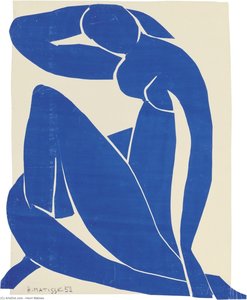
Ulje na platnuZidna umjetnostExpressionism
 1948Modernizam
 116.0 x 89.0 cm
Ručno oslikano uljanim bojama na platnu u dimenzijama i okviru po vašem izboru, izrađeno po narudžbi od strane naših umjetnika. ( Kupi print Kupi digitalnu sliku)





























Odaberite jednu od naših unaprijed definiranih veličina koje odgovaraju izvornim proporcijama umjetničkog djela.

Možete unijeti vlastite dimenzije kako bi odgovarale određenom okviru ili prostoru. Ako odabrana veličina ne odgovara proporcijama izvorne slike, izrezat ćemo umjetničko djelo ili proširiti sliku dodatnim ručno oslikanim elementima. Digitalni nacrt bit će vam poslan na odobrenje prije početka proizvodnje.
Imajte na umu da pregled na ekranu ne prikazuje stvarno izrezivanje ili proširivanje. Samo će nacrt točno prikazati konačni sastav.
Iako su dostupne prilagođene veličine, preporučujemo odabir dimenzije s preddefiniranog popisa kako bismo očuvali izvorne proporcije.
Isporuka širom svijeta () u roku od 3-4 tjedna umjesto standardnih 5 tjedana. (17 Kolovoz). Bez kompromisa u kvaliteti.


Interior with Egyptian Curtain
Veličina reprodukcije
Henri Matisse's "Interior with Egyptian Curtain," painted in 1948, is far more than a simple depiction of a room; it’s an immersive journey into a meticulously crafted world where color reigns supreme, light dances with shadow, and subtle symbolism whispers stories. This captivating work, measuring 116 x 89 cm and executed on canvas with oil paints, represents the culmination of Matisse's lifelong dedication to exploring form, emotion, and the profound power of visual language. Moving deliberately beyond the constraints of traditional representation, he constructs a space that feels both intimately familiar and delightfully dreamlike – an invitation for the viewer to engage in a silent, vibrant dialogue with its every element.
The painting immediately draws your eye to the window – a motif that recurs frequently throughout Matisse’s oeuvre. It functions as more than just a portal; it's a carefully considered frame, framing a vista of Mediterranean warmth. Beyond this window unfolds a scene brimming with vitality: a palm tree ablaze with color, suggesting not only raw life but also a hint of dramatic intensity. Within the room itself, a table becomes the focal point, adorned with a still life – a collection of oranges that are rendered with an almost playful disregard for strict realism. These fruits aren’t meant to be photographic copies; instead, they're simplified into bold shapes and saturated hues, contributing significantly to the painting’s overall sense of abstraction and visual delight. A bowl overflowing with more oranges echoes this principle, reinforcing a theme of pure sensory pleasure and celebrating the fleeting beauty of summer.
Adding another layer of intrigue is the Egyptian curtain itself – a rich appliqué textile that introduces an element of exoticism and historical reference. This deliberate inclusion speaks directly to Matisse’s lifelong fascination with global art traditions and his ambition to synthesize diverse influences into a unified artistic vision. The curtain isn't merely decorative; it acts as a visual anchor, grounding the scene while simultaneously hinting at distant lands and untold stories. The careful placement of a small bird within the composition further enhances this sense of natural harmony and lively atmosphere, suggesting a connection between the interior space and the wider world – a subtle reminder of nature’s enduring presence.
While firmly rooted in Matisse’s earlier Fauvist period – characterized by bold, non-naturalistic colors – “Interior with Egyptian Curtain” leans noticeably towards Expressionism. This shift is evident in the artist’s deliberate use of color to convey emotion and inner experience rather than simply mimicking reality. The vibrant reds, yellows, and blues aren't applied with a purely decorative intent; they pulsate with energy and imbue the scene with a palpable sense of warmth and optimism. Matisse’s brushstrokes are loose and expressive, contributing significantly to the painting’s dynamic quality and suggesting a process of spontaneous creation – as if he were capturing not just an image, but a feeling.
The simplification of forms—the reduction of objects to their essential shapes—is another key characteristic of this period in Matisse's work. This technique, combined with his masterful use of color, creates a sense of visual harmony and balance while simultaneously conveying a powerful emotional impact. The painting’s overall effect is one of joyful exuberance, reflecting Matisse’s own spirit and his belief in the transformative power of art.
"Interior with Egyptian Curtain" stands within a rich artistic lineage, echoing themes explored by artists like Chardin and Pissarro while simultaneously forging its own unique path. The influence of Japanese prints – particularly their emphasis on flattened perspective and decorative patterns – is subtly present in the painting’s composition. Furthermore, Matisse's work shares intriguing parallels with Mihai Olos’ “Curtain,” a contemporary conceptual piece that similarly investigates the symbolic potential of this fundamental architectural element.
The painting resides within the University of Iowa Museum of Art’s impressive collection of modern and contemporary art, alongside works by Henri Matisse himself and other prominent artists. This placement underscores the enduring significance of Matisse's contributions to the history of art and his continued relevance in the 21st century. It also invites viewers to consider Matisse’s work within a broader context – a global conversation about artistic expression and cultural exchange.
To deepen your appreciation for Henri Matisse's "Interior with Egyptian Curtain," we encourage you to explore related works in his oeuvre, such as “Plum Blossoms, Green Background” – a similarly vibrant exploration of color and form. Furthermore, delving into the world of Art Deco—a movement that shared Matisse’s fascination with decorative patterns and geometric abstraction—offers valuable insights into the broader artistic landscape of the early 20th century. You might also find inspiration in the work of other Expressionist painters like Edvard Munch and Wassily Kandinsky.
For a high-quality reproduction of “Interior with Egyptian Curtain,” please visit BuyPopArt.com. And for further exploration, consider visiting The University of Iowa Museum of Art: The University of Iowa Museum of Art (United States).
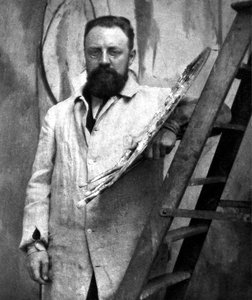
1869 - 1954 , Francuska

Explore the vibrant world of Fauvism with our expert guide. Discover how masters like Henri Matisse revolutionized art through bold colors and expressive strokes, defining a movement that continues to inspire collectors and art enthusiasts worldwide.


Budite u tijeku s najnovijim umjetničkim vijestima, ekskluzivnim ponudama i idejama za dekoraciju.
Recite nam nešto o svom projektu, a naši će stručnjaci za umjetnost pripremiti 3 personalizirana prijedloga umjetnina.
Dopustite nam da odaberemo 3 opcije samo za Vas – Besplatno!


 Pregledaj u stvarnoj veličini
 Pošalji
 Podijeli
 Detalji o umjetničkom djelu

 Preuzmi
 Slični predmeti
 Rentgenska snimka
 Automatska prezentacija
 Prikaži više







 Opcija stakla dostupna je samo za dimenzije manje od 110 cm