Ručno oslikano uljanim bojama na platnu u dimenzijama i okviru po vašem izboru, izrađeno po narudžbi od strane naših umjetnika. ( Pređi na tisak Prebacite na sliku)





























Odaberite jednu od naših unaprijed definiranih veličina koje odgovaraju izvornim proporcijama umjetničkog djela.

Možete unijeti vlastite dimenzije kako bi odgovarale određenom okviru ili prostoru. Ako odabrana veličina ne odgovara proporcijama izvorne slike, izrezat ćemo umjetničko djelo ili proširiti sliku dodatnim ručno oslikanim elementima. Digitalni nacrt bit će vam poslan na odobrenje prije početka proizvodnje.
Imajte na umu da pregled na ekranu ne prikazuje stvarno izrezivanje ili proširivanje. Samo će nacrt točno prikazati konačni sastav.
Iako su dostupne prilagođene veličine, preporučujemo odabir dimenzije s preddefiniranog popisa kako bismo očuvali izvorne proporcije.
Isporuka širom svijeta () u roku od 3-4 tjedna umjesto standardnih 5 tjedana. (8 Kolovoz). Bez kompromisa u kvaliteti.


Sliding Down (Suberi): Detatched page from One Hundred Views of Mount Fuji (Fugaku hyakkei) Vol. 1
Veličina reprodukcije
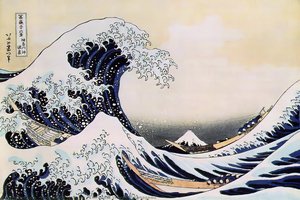
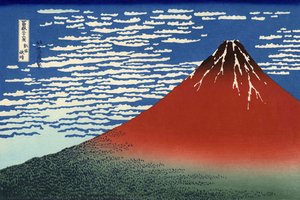
“Detached page from One Hundred Views of Mount Fuji,” created by Katsushika Hokusai in 1834 during the Edo period, stands as a cornerstone of Japanese art history and arguably one of the most recognizable images ever conceived. More than just a scenic depiction of Mount Fuji—a sacred symbol representing stability and longevity—this print embodies the spirit of *ukiyo-e*, or “floating world,” an artistic movement that captured fleeting moments of beauty and emotion in everyday life.
Hokusai, already renowned for his earlier series exploring landscapes and marine scenes, embarked on this ambitious project commissioned by Kaisei Hiroshige, aiming to produce one hundred views of Mount Fuji across all seasons. This print, Vol. 1 of the monumental undertaking, exemplifies Hokusai’s masterful command of perspective and tonal gradation—techniques honed over decades of artistic experimentation.
Beyond its aesthetic qualities, “Detatched page from One Hundred Views of Mount Fuji” resonates deeply with symbolic meaning. The waves represent impermanence—a core Buddhist concept—while Mount Fuji symbolizes resilience and enduring beauty amidst chaos. It’s a visual meditation on the cyclical nature of existence, inviting viewers to appreciate both grandeur and fragility.
Its influence extends far beyond Japan's borders, inspiring Impressionist artists like Claude Monet who sought to capture fleeting impressions of light and atmosphere. Today, reproductions of this iconic print adorn homes and galleries worldwide, cementing Hokusai’s legacy as a visionary artist whose work continues to captivate audiences centuries later.
Katsushika Hokusai (1760-1849) wasn't merely a printmaker; he was a transformative force in Japanese artistic expression. Born into a family of mirror makers—a profession reflecting his meticulous attention to detail—Hokusai’s early life instilled a dedication to craft that would propel him to unparalleled heights of achievement.
His formative years were marked by relentless self-improvement, driven by an unwavering belief in the power of observation and experimentation. Despite facing considerable societal resistance to artistic pursuits for men during his time, Hokusai persevered, honing his skills through tireless practice and absorbing influences from diverse artistic traditions—including Chinese landscape painting.
This dedication culminated in a prolific output spanning genres ranging from portraits to genre scenes to theatrical designs. However, it is undoubtedly “The Great Wave” and its accompanying prints that secured Hokusai’s place as Japan's foremost *ukiyo-e* artist—a title he earned through sheer artistic brilliance and an unparalleled ability to convey emotion.
The creation of “Detatched page from One Hundred Views of Mount Fuji” exemplifies the sophisticated woodblock printing techniques prevalent during the Edo period. This process demanded considerable skill and precision, transforming a simple sketch into a stunning visual masterpiece.
The resulting print—characterized by its velvety texture and luminous color—stands as a testament to the artistry and craftsmanship of Edo-period Japan. It’s a tangible embodiment of Hokusai's vision—a celebration of nature’s majesty and an enduring symbol of artistic innovation.

1760 - 1849 , Japan
Uronite u svijet Katsushike Hokusaija! Otkrijte 25 remek-djela japanskog umjetnika, uključujući legendarni 'Veliki val'. Ukiyo-e, pejzaži i povijest umjetnosti – pronađite inspiraciju za dekoraciju doma s BuyPopArt.com.
Otkrijte 10 remek-djela impresionizma koja su obilježila umjetnički svijet! Monet, Renoir, Degas i drugi majstori – istražite priče iza slika koje definiraju pokret. Inspirirajte se za dekoraciju interijera s BuyPopArt.com - vrhunskim reprodukcijama i kuriranih ideja.

Explore the captivating world of 19th-century landscape painting! Discover renowned artists like Friedrich & Monet, key movements, and find the perfect artwork to bring nature's serenity into your home. Expert insights at BuyPopArt.

Explore the life & art of Ando Hiroshige, Japan's last great ukiyo-e master. Discover his iconic landscapes, poetic style, and profound influence on Western Impressionism. Learn about The Fifty-Three Stations & more!

Journey into Japan's 'Floating World'! Explore 10 Ukiyo-e masterpieces by Hokusai, Hiroshige & more. Discover the stories behind these iconic woodblock prints and bring timeless Japanese art to your home with BuyPopArt.com. Explore the full collection online.


Budite u tijeku s najnovijim umjetničkim vijestima, ekskluzivnim ponudama i idejama za dekoraciju.
Recite nam nešto o svom projektu, a naši će stručnjaci za umjetnost pripremiti 3 personalizirana prijedloga umjetnina.
Dopustite nam da odaberemo 3 opcije samo za Vas – Besplatno!


 Pregledaj u stvarnoj veličini
 Pošalji
 Podijeli
 Detalji o umjetničkom djelu

 Preuzmi
 Slični predmeti
 Rentgenska snimka
 Automatska prezentacija
 Prikaži više







 Opcija stakla dostupna je samo za dimenzije manje od 110 cm