Ulje na platnuZidna umjetnostPost-Impressionism
 186519. stoljeće
 59.0 x 76.0 cm
Ručno oslikano uljanim bojama na platnu u dimenzijama i okviru po vašem izboru, izrađeno po narudžbi od strane naših umjetnika. ( Pređi na tisak Prebacite na sliku)





























Odaberite jednu od naših unaprijed definiranih veličina koje odgovaraju izvornim proporcijama umjetničkog djela.

Možete unijeti vlastite dimenzije kako bi odgovarale određenom okviru ili prostoru. Ako odabrana veličina ne odgovara proporcijama izvorne slike, izrezat ćemo umjetničko djelo ili proširiti sliku dodatnim ručno oslikanim elementima. Digitalni nacrt bit će vam poslan na odobrenje prije početka proizvodnje.
Imajte na umu da pregled na ekranu ne prikazuje stvarno izrezivanje ili proširivanje. Samo će nacrt točno prikazati konačni sastav.
Iako su dostupne prilagođene veličine, preporučujemo odabir dimenzije s preddefiniranog popisa kako bismo očuvali izvorne proporcije.
Isporuka širom svijeta () u roku od 3-4 tjedna umjesto standardnih 5 tjedana. (11 Kolovoz). Bez kompromisa u kvaliteti.


Paul Cézanne je svojom slikarskom umjetnosti definirao kao ključnu figuru koja je prelomila krhkost impresionista i fragmentiranost kubizma. Njegovo putovanje nije bilo popločano slavljenjem; naprotiv, bio je to dugotrajan proces istraživanja, ispunjen su
Veličina reprodukcije
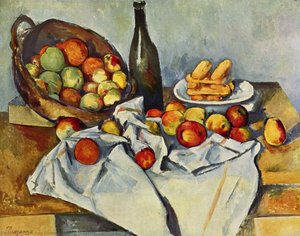
Paul Cézanne’s “Still Life with Bread and Eggs,” painted in 1865, isn’t merely a depiction of everyday objects; it’s a pivotal moment in the evolution of modern art. More than just a charming arrangement of loaf, eggs, and simple vessels, this work embodies Cézanne's radical departure from academic tradition and his pioneering exploration of form and color – a quiet revolution captured on canvas. Housed within the Cincinnati Art Museum, it stands as a testament to an artist who fundamentally reshaped how we perceive and represent the world around us.
Cézanne’s early work reveals a fascination with the tangible realities of life—a departure from the idealized subjects favored by his predecessors. “Still Life with Bread and Eggs” exemplifies this shift, presenting familiar elements – a rustic loaf, delicate eggs, and humble cups – in a way that feels both intimate and profoundly considered. The composition isn’t about photographic accuracy; instead, Cézanne meticulously dissects each object, isolating its essential shapes and planes. Notice how the bread is rendered not as a single form but as a series of overlapping rectangles, suggesting volume and weight. Similarly, the eggs are depicted with a subtle sense of curvature, hinting at their delicate structure. This deliberate simplification, this rejection of illusionistic depth, was revolutionary for its time.
Cézanne's style in “Still Life with Bread and Eggs” firmly establishes him as a key figure in the transition from Impressionism to Post-Impressionism. While he initially absorbed elements of Impressionistic color theory – particularly the use of broken brushstrokes to capture fleeting light—he soon moved beyond mere observation, seeking instead to define the underlying structure of objects. The painting’s surface is alive with these exploratory brushstrokes, each one a deliberate mark that contributes to the overall sense of solidity and presence. Unlike Impressionists who aimed to capture an immediate impression, Cézanne was interested in capturing the *essence* of his subjects – their form, their weight, their spatial relationships.
Initially, Cézanne’s unconventional approach was met with skepticism and ridicule by contemporary critics who were accustomed to the polished realism of academic art. However, a small circle of fellow artists—including Camille Pissarro and Ambroise Vollard—recognized his genius and championed his work. In 1895, Vollard organized the first solo exhibition of Cézanne’s paintings in Paris, which dramatically shifted public perception. This event marked a turning point, establishing Cézanne as a major artistic innovator.
The influence of Cézanne on subsequent generations of artists is undeniable. Henri Matisse and Pablo Picasso both acknowledged him as “the father of us all,” recognizing his profound impact on their own artistic development. His emphasis on form, color, and spatial relationships laid the groundwork for Cubism, Fauvism, and countless other avant-garde movements. “Still Life with Bread and Eggs” isn’t just a beautiful painting; it's a foundational work that continues to inspire artists today.
At BuyPopArt, we are proud to offer meticulously crafted, hand-painted reproductions of Paul Cézanne’s “Still Life with Bread and Eggs.” These aren't simply prints; they are faithful recreations of the original painting, capturing its subtle nuances, rich textures, and emotional depth. Each reproduction is created by skilled artists who share a deep appreciation for Cézanne’s legacy. Owning a BuyPopArt reproduction allows you to bring this iconic work into your home or office, celebrating the enduring power of art and the genius of Paul Cézanne.
Explore our collection today and discover the perfect way to experience “Still Life with Bread and Eggs” – a timeless masterpiece that continues to resonate with viewers across generations. Browse the Collection
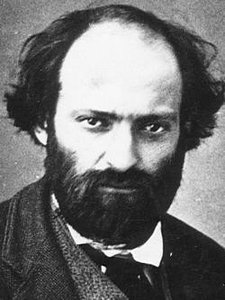
1839 - 1906 , Francuska

Explore the profound evolution of art from Impressionism to Post-Impressionism. Discover how masters like Van Gogh revolutionized color and emotion, shaping modern art history through structural innovation and expressive technique.


Budite u tijeku s najnovijim umjetničkim vijestima, ekskluzivnim ponudama i idejama za dekoraciju.
Recite nam nešto o svom projektu, a naši će stručnjaci za umjetnost pripremiti 3 personalizirana prijedloga umjetnina.
Dopustite nam da odaberemo 3 opcije samo za Vas – Besplatno!


 Pregledaj u stvarnoj veličini
 Pošalji
 Podijeli
 Detalji o umjetničkom djelu

 Preuzmi
 Slični predmeti
 Rentgenska snimka
 Automatska prezentacija
 Prikaži više







 Opcija stakla dostupna je samo za dimenzije manje od 110 cm