Adja értékesésre műveiét
x
ElőnézetElőnézet AR előnézetAR előnézet Váltás nyomtatványra Váltás nyomtatványraKépváltás Képváltás MegosztásMegosztás
RészletekRészletek Kedvencekhez ad Kedvencekhez ad LetöltésLetöltés Hasonló alkotásokHasonló alkotások X-ray felvételX-ray felvétel DiavetítésDiavetítés

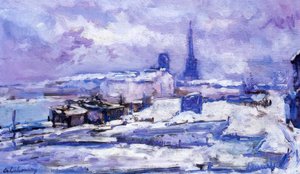
Notre-Dame de Páris és az Archeveché hídja

Ébreszd fel az érzékedődést! Lebourg Albert ikonikus Notre-Dame képét mutatja Franciaország Párisában, egy időtlen klasszikusnak és a Belle Époque szépségének bizonyuló impresionista művének.

Lebourg Albert-Charles (1849-1928): A nyugodt tájképfestők mester Franciaországból, a Rouen iskola képviselője. Képei a Musée d'Orsay és más múzeumokban gyönyörködtetnek!

Kézzel készített olajfestmény reprodukció

Kézzel festett olajvastú vászon, az Ön által választott méretben és keretben, művészeink készítik meglévőre. (Váltás nyomtatványra Váltás nyomtatványraKépváltás Képváltás)

P118B $10
P118H $10
P118W $10
P438Z $10
P508JH $12
P508YH $12
P805H $10
P805Z $10
P919BZ $10
P919G $10
P919XJ $10
P959ZH $10
P968JZ $12
W106C $8
W218G $10
W218JH $8
W218Y $10
W307PJ $10
W316G $10
W316PJ $8
W316Y $10
W398PJ $8
W4111J $10
W500HY $15
W500JH $15
W692G $12
W849H $8
W940BG $15
W953PJ $8

Standard
custom
CM
INCH

Válasszon előre meghatározott méreteink közül, amelyek megfelelnek a műalkotás eredeti arányainak.

szélesség
magasság

Ön megadhat saját méreteket egy adott kerethez vagy térhez igazításhoz. Ha a kiválasztott méret nem egyezik az eredeti kép arányával, akkor a műalkotást levágjuk, vagy további kézzel festett elemekkel meghosszabbítjuk a festményt. A gyártás megkezdése előtt küldünk Önnek egy digitális előnézetet jóváhagyásra.
Kérjük, vegye figyelembe, hogy a képernyőn megjelenő előnézet nem tükrözi a tényleges vágást vagy kiterjesztést. Csak az előnézet fog pontosan mutatni a végső kompozíciót.
Bár egyedi méretek állnak rendelkezésre, javasoljuk, hogy válasszon egy méretet az előre meghatározott listából az eredeti arányok megőrzése érdekében.

Példák arra, mit lehet módosítani: az arc kicserélése az ügyfél fotójára; háziállat hozzáadása (pl. macska helyett kutya); rejtett üzenet elhelyezése a háttérben; a háttér tájának vagy elemeinek megváltoztatása.
A rendelést követően a BuyPopArt.com csapata e-mailt küld az ügyfélnek az instrukciókért, és biztosít egy előnézeti képet (mockup).

Világszerte elérhető szállítás () 3-4 hét alatt a szokásos 5 hét helyett. (11 augusztus). A minőség nem kérdőjelezhető.

why_choose_icon
Ingyenes globális expressz szállítás
why_choose_icon
Prémium minőségű len vászon
why_choose_icon
Teljes szállítási biztosítás
why_choose_icon
Vámvisszatérítési Garancia
why_choose_icon
Tökéletes színpontosság garancia
why_choose_icon
60 napos visszaküldési lehetőség (csak gyártási hibák esetén)
why_choose_icon
100%-os pénzvisszatérítési garancia
why_choose_icon
Kedvezmény több termény esetén

Összesen

$ 288

reproduction

Notre-Dame de Páris és az Archeveché hídja

Reprodukciós technika

A reprodukció mérete

-

Összesített ár

$ 288

Rövid tények

  • movement: Impressionism
  • year: Unknown
  • title: Notre-Dame de Paris and the Bridge of the Archeveche
  • medium: Oil on canvas
  • subject: Notre-Dame de Paris, Bridge of the Archeveche, Seine River
  • notable_elements: Dynamic sky with blends of pink, orange, purple, and gold; loose, visible brushstrokes; balanced composition with Notre-Dame as the central focus

Művészeti kvíz

Minden kérdésre csak egy helyes válasz létezik.

Kérdés 1:
Which artistic movement does 'Notre-Dame de Paris and the Bridge of the Archeveche' belong to?
Kérdés 2:
What is the central focus of 'Notre-Dame de Paris and the Bridge of the Archeveche'?
Kérdés 3:
Which artist painted 'Notre-Dame de Paris and the Bridge of the Archeveche'?
Kérdés 4:
What technique is prominently used in 'Notre-Dame de Paris and the Bridge of the Archeveche'?

A műalkotás leírása

Egy időtlen remekmű: A Notre-Dame de Paris és az Archeveché híd

Impressionista elegancia a Belle Époque Parisában

Albert Lebourg „Notre-Dame de Paris és az Archeveché híd” című alkotása egy lenyűgöző impressionista festmény, amely a nézőt a Belle Époque Paris szívébe repíti. Ez a fénytermelő tájkép megörökíti a monumentális Notre-Dame Katedrálist, amelyet a naplemente meleg, aranyló árnyalatai áztatnak, miközben a Szen folyó és az Archeveché híd finom ívei keretezik a jelenetet. Lebourg színek és fények mesteri használata békés, mégis dinamikus hangulatot teremt, arra invitva a tekintet, hogy elmerüljön ennek a történelmi városképi szépségében.

Stílus és technika: Az impressionizmus lényege

A Rouen Iskola meghatározó tagjaként Albert Lebourg-ra mély hatással volt az impressionista mozgalom. Ez a festmény példaként szolgál sajátos stílusára, amelyet laza, jól látható ecsetvonások jellemzik, amelyek a fény és a légkör múló hatásait örökítik meg. A kompozíció egyensúlyban van, a Notre-داشت katedrális pedig a központi fókuszpont, míg az előteret szétszóródott alakok és építmények alkotják, amelyek a néző tekintetét a katedra felé terelik. Lebourg puha pastellszíneket és visszafogott tónusokat alkalmaz, amelyeket meleg sárga és narancssárga színek tesznek hangsúlyossá, így a hűvös és meleg árnyalatok harmonikus keverékét hozva létre, amely a nyugalom és az életerő érzését kelti.

Történelmi kontextus: Áttekintés a 19. századi Parisre

A 19. század végén készült alkotás bepillantást nyújt a Belle Époque Paris építészeti pompájába és mindennapi életébe. A 14. században befejezett Notre-Dame Katedrális Franciaország gazdag történelmének és kulturális örökségének szimbólumként áll mag davanti. Az Archeveché híd elegáns ívei modern hangulatot kölcsönöznek a jelenetnek, tükrözve a kor urbanisztikai fejlődését. Lebourg katedráját és a környező tájat ábrázoló festménye megörökíti a Paris lényegét ezen a változásokban gazdag időszakban, így értékes darabká vá 되어 művészbarátok és történelmembilencék számára egyaránt.

Szimbolizmus és érzelmi hatás

A Notre-Dame de Paris és az Archeveché híd több, mint egy egyszerű gyönyörű tájkép; ez a műteremtő erő bizonyítéka, amely képes érzelmeket ébreszteni és elgondolkodtatni. A katedra magas tornyokkal és bonyolult részletekkel az építészeti nagyságot és a történelmi jelentőséget szimbolizálja. Az ébredő égbolt mozgó felhőkkel az idő múlásának, valamint a fény és az időjárás változó természetének képviselője. Az előteret betöltő emberek jelenléte skálát és hétköznapi életet ad a jelenetnek, földelítve a művet a valóságba, és közelebb hozva azt a nézőkhöz.

Miért tökéletes ez a műalkotás az Önთვის térre

A művészetkedvelők, a gyűjtők és a belsőépítészek számára, akik eleganciát és kifinomultságot szeretnének vinni otthonukba, Albert Lebourg mesterművének ez a kiváló minőségű reprodukció kiváló választás. A festmény fénytermelő színei és dinamikus kompozíciója kiemelkedő fókuszponttá teszi bármely szobában, miközben történelmi jelentősége mélységet és értelmet ad gyűjteményének. Legyen szó hagyományos vagy kortárs környezetről, ez a mű biztosan csodálatra készteti a tekintet, nyugodalmat és szépséget teremtve, ami javítja környezete egészéges hangulatát.

Vigye haza Paris történelmének egy darabját

Merüljön el a Belle Époque Paris szépségében Albert Lebourg „Notre-Dame de Paris és az Archeveché híd” című lenyűgöző reprodukciójával. Legyen művészrajongó, történelmista vagy egyszerűen valaki, aki értékeli az impressionista tájképek időtlen eleganciáját, ez a mű kötelező elem a gyűjteményében. Vigye haza Paris történelmének egy darabját, és hagyja, hogy e mestermű fénytermelő színei és dinamikus kompozíciója inspirálja és felemelje környezetét.

A művész életrajza

A Luminist of the Seine: The Life and Art of Albert-Charles Lebourg

Albert-Charles Lebourg, a name perhaps less familiar than those of Monet or Renoir, nevertheless holds a significant place within the rich tapestry of French Impressionism and Post-Impressionism. Born in 1849 in the tranquil village of Montfort-l'Évêque, France, his artistic journey was one of quiet dedication, marked by an unwavering pursuit of capturing the ephemeral beauty of the Seine River valley and its surrounding landscapes. Lebourg’s prolific output – exceeding two thousand paintings – reveals a deep connection to *plein air* painting and a profound sensitivity to light and atmosphere, establishing him as a key figure in the Rouen School of Impressionism. His story is not one of dramatic innovation but rather of consistent refinement, a testament to his meticulous observation and masterful technique.

Early Years and Artistic Foundations

Lebourg’s early life offered little indication of his future artistic pursuits. Initially drawn to architecture, he enrolled at the École des Beaux-Arts in Rouen, where he received a solid grounding in draftsmanship and composition – skills that would prove invaluable throughout his career. However, it was a chance encounter with Gustave Morin, a renowned art teacher and landscape painter, that steered him towards fine art. Morin recognized Lebourg’s innate talent for capturing the nuances of light and color, encouraging him to embrace *plein air* painting—working directly from nature. This pivotal mentorship proved transformative, shaping Lebourg's artistic vision and establishing his commitment to depicting the world as he truly saw it. His early works began to reflect this new direction, moving away from formal architectural studies towards a growing fascination with the natural world.

The Influence of Algiers: A Shift in Palette and Perspective

A significant chapter in Lebourg’s artistic development unfolded during his time in Algiers, Algeria, from 1872 to 1876. Appointed as Professor of Graphic Art at the School of Fine Art, he was exposed to a dramatically different light, landscape, and culture compared to his native France. The intense North African sun, the vibrant colors of the casbah, and the bustling port created a sensory overload that profoundly impacted his artistic sensibilities. He began experimenting with bolder color palettes, influenced by the rich hues of the region’s textiles, architecture, and daily life. This period marked a crucial turning point in his career, as he developed a more expressive and vibrant style—a departure from the muted tones often associated with early Impressionism. The experience broadened his artistic horizons and instilled in him a deeper appreciation for the diversity of visual experiences.

Embracing Impressionism: A Measured Approach

Upon returning to France, Lebourg quickly integrated himself into the burgeoning Impressionist circle. He exhibited alongside luminaries such as Monet, Sisley, Pissarro, and Degas in the Fourth Impressionist Exhibition of 1879, presenting a collection of works born from his Algerian experiences and early explorations of the Seine valley. Unlike some of his peers who radically broke with traditional techniques, Lebourg’s approach was more measured. He embraced the Impressionist emphasis on light and color but retained a degree of structure and detail in his compositions. His paintings are not simply impressions; they are carefully observed studies of nature, imbued with a sense of tranquility and poetic sensibility. The Seine River became a recurring motif throughout his career, serving as both subject and inspiration. He painted its banks in all seasons and at all times of day, meticulously documenting the changing light and reflections on the water’s surface. Works like *Matinée à Dieppe* exemplify this dedication, showcasing his ability to render the soft, golden hues of dawn with remarkable sensitivity.

Recognition and a Lasting Legacy

Lebourg's talent did not go unnoticed by the established art world. He was admitted to the prestigious Salon in 1883, a significant achievement that brought him wider recognition. His participation in the influential Les XX exhibition in Brussels in 1887 further cemented his reputation among avant-garde circles. Throughout the late 19th and early 20th centuries, Lebourg enjoyed consistent success, exhibiting regularly at the Salon and receiving accolades for his work. He was named a Chevalier of the Legion of Honour in 1903 and later promoted to Officer in 1924—honors that acknowledged his contributions to French art. Despite this recognition, Lebourg remained a relatively modest figure, preferring the solitude of the countryside to the bustling social scene of Paris. His dedication to painting *en plein air* often meant enduring harsh weather conditions and logistical challenges, but he believed it was essential for capturing the true essence of nature.

A Master of Atmosphere: The Enduring Appeal of Lebourg’s Work

Albert-Charles Lebourg passed away in Rouen in 1928, leaving behind a rich artistic legacy that continues to captivate audiences today. His paintings are held in numerous museums across France and beyond, including the Musée d'Orsay, the Petit-Palais, and the Musée des Beaux-Arts de Rouen. What sets Lebourg apart is his ability to evoke a sense of atmosphere and mood through subtle variations in color and light. He wasn’t interested in grand narratives or dramatic compositions; instead, he focused on capturing the quiet beauty of everyday life—a sunlit meadow, a tranquil riverbank, a fleeting moment of reflection. His landscapes are not merely representations of places; they are expressions of feeling. They invite viewers to pause and contemplate the wonders of the natural world, offering a respite from the complexities of modern life. While he shared stylistic affinities with his Impressionist contemporaries, Lebourg forged his own unique path, creating a body of work that is both deeply personal and universally appealing. His paintings stand as a testament to the power of observation, the beauty of simplicity, and the enduring allure of the French countryside.

Further Exploration

  • Explore his works featured in museums like Musée d’Orsay, Petit-Palais, and Musée des Beaux-Arts de Rouen.
  • Discover more about the Société des Artistes Français and its influence on French art during Lebourg's time.
  • Consider how his work reflects the broader artistic trends of Impressionism and Post-Impressionism.
Albert-Charles Lebourg

Albert-Charles Lebourg

1849 - 1928 , Franciaország

Rövid tények

  • Artistic Movement Or Style: Impressionista/Posztimpresszionista
  • Date Of Birth: 1849.02.01
  • Date Of Death: 1928.01.06
  • Full Name: Albert-Charles Lebourg
  • Nationality: Franciaország
  • Notable Artworks:
    • Matinée à Dieppe
    • Bords de Seine à Chatou
  • Place Of Birth: Montfort-l'Évêque, Francia
Fedezze fel a műalkotásokat témák, stílusok és jellemzők szerint csoportosítva.