Kézzel festett olajvastú vászon, az Ön által választott méretben és keretben, művészeink készítik meglévőre. ( Váltás nyomtatványra Képváltás)





























Válasszon előre meghatározott méreteink közül, amelyek megfelelnek a műalkotás eredeti arányainak.

Ön megadhat saját méreteket egy adott kerethez vagy térhez igazításhoz. Ha a kiválasztott méret nem egyezik az eredeti kép arányával, akkor a műalkotást levágjuk, vagy további kézzel festett elemekkel meghosszabbítjuk a festményt. A gyártás megkezdése előtt küldünk Önnek egy digitális előnézetet jóváhagyásra.
Kérjük, vegye figyelembe, hogy a képernyőn megjelenő előnézet nem tükrözi a tényleges vágást vagy kiterjesztést. Csak az előnézet fog pontosan mutatni a végső kompozíciót.
Bár egyedi méretek állnak rendelkezésre, javasoljuk, hogy válasszon egy méretet az előre meghatározott listából az eredeti arányok megőrzése érdekében.
Világszerte elérhető szállítás () 3-4 hét alatt a szokásos 5 hét helyett. (10 augusztus). A minőség nem kérdőjelezhető.


Kew Gardens: Path between the Pond and the Palm House
A reprodukció mérete
Camille Pissarro’s “Kew Gardens: Path Between Pond And Palm House,” painted in 1892, isn't merely a depiction of a beautiful garden; it’s a distillation of the Impressionist ethos—a fleeting glimpse into a moment of serene contemplation amidst nature’s splendor. Located within the Musée des Beaux-Arts de Lyon, this oil on canvas offers more than just visual delight; it invites viewers to consider the very essence of how artists captured light and atmosphere during their era.
The Scene: The painting transports us to Kew Gardens, London’s Royal Botanic Garden. Pissarro skillfully portrays a sunlit path winding between a tranquil pond and towering palm trees—a quintessential English landscape favored by Victorian botanists and aristocrats alike. The composition is deliberately asymmetrical, guiding the eye across the canvas with subtle curves and diagonals.
Style & Technique: Characteristic of Impressionism, “Kew Gardens” eschews meticulous detail in favor of capturing the impression of light and color. Pissarro employs loose brushstrokes—broken pigment applied directly to the canvas—creating a shimmering surface that vibrates with vibrancy. The artist’s masterful use of color is particularly noteworthy; he blends hues subtly, layering shades of green, yellow, and blue to convey the warmth of the sun and the coolness of the pond.
Historical Context: Painted during Pissarro's prolific period in Paris and Normandy, “Kew Gardens” reflects the broader artistic movement that sought to break away from academic conventions. Impressionists like Monet and Renoir were fascinated by capturing the ephemeral qualities of everyday life—the effects of weather on landscapes and portraits—challenging the traditional focus on idealized subjects.
Symbolism & Emotional Impact: Beyond its aesthetic beauty, “Kew Gardens” speaks to themes of tranquility, observation, and connection with nature. The path itself symbolizes a journey inward—a contemplation of one’s surroundings and inner thoughts. The palm trees represent exotic landscapes and the promise of adventure, juxtaposed against the calm serenity of the pond. Viewing this painting evokes feelings of peace and appreciation for the natural world.
Reproductions & Inspiration: A high-quality reproduction of “Kew Gardens” can bring a touch of Impressionist elegance into any interior space. Consider framing it in a neutral tone to allow its luminous colors to shine through—a beautiful reminder of Pissarro’s ability to capture the fleeting beauty of a single moment.
Size: Unknown
Date: 1892
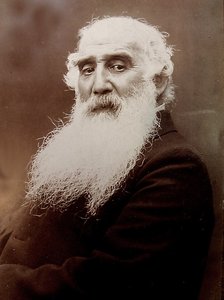
1830 - 1903 , Dán-Antillák

Explore the life & art of Camille Pissarro, a pivotal figure in Impressionism and Post-Impressionism. Discover his techniques, influences, and lasting legacy on modern painting. Learn more at BuyPopArt.

Explore the rich history of gardens in painting! Discover masterpieces from Renaissance to Impressionism & beyond. Learn about symbolism, artists like Monet & Klimt, and find your perfect artwork at BuyPopArt.
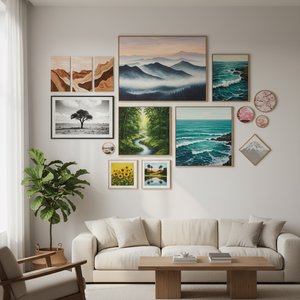
Fedezze fel a 10 legikonikusabb tájkép festményt! Monet, Van Gogh és más mesterek művei inspirálnak. Művészeti reprodukciók magas minőségben – tökéletes dekoráció otthonába. Böngésszen BuyPopArt.com-on!

Explore the rich history of landscape art with BuyPopArt. Discover renowned artists, movements like Impressionism & Romanticism, and expert guidance for collecting timeless pieces. Find your perfect serene escape today!
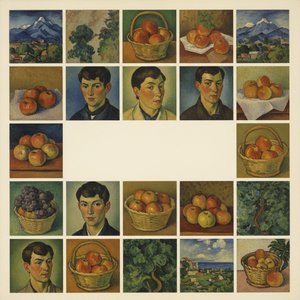
Fedezze fel Paul Cézanne 25 legikonikusabb művét! Ismerje meg a posztimpresszionizmus úttörőjének festményeit, technikáját és inspirációit. Vászonképek, portrék, tájképfestmények – minden otthonba. Böngéssze gyűjteményünket a BuyPopArt-on!


Maradjon naprakész a legfrissebb művészeti hírekkel, exkluzív ajánlatokkal és dekorációs ötletekkel.
Írja le nekünk projektjét, és művészeti szakértőink 3 személyre szabott műalkotási javaslatot készítenek Önnek.
Hagyjuk, hogy mi válogassunk ki Önnek 3 legjobb opciót – Ingyenesen!


 Előnézet
 Megosztás
 Megosztás
 Részletek

 Letöltés
 Hasonló alkotások
 X-ray felvétel
 Diavetítés

 Tovább olvasom







 Az üvegkeretes opció csak 110 cm alatti méretben érhető el